Warlock Personality Traits: How to Roleplay a Pact-Bound Spellcaster
A warlock‘s power comes with strings attached—literally. Their abilities spring from a pact with an otherworldly patron, which means every spell cast carries the weight of obligation. This fundamentally changes how a warlock moves through the world compared to a wizard grinding through spellbooks or a sorcerer relying on raw talent. The bargain they’ve struck should inform their motivations, their relationships, and the flaws that make them compelling to play.
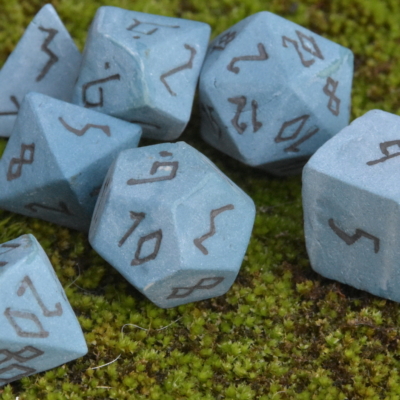
A Necromancer Ceramic Dice Set mirrors the warlock’s dark pact origins—each roll carries weight, much like binding oneself to infernal powers.
Understanding the Patron-Warlock Dynamic
The patron relationship is the defining feature of warlock personality. A warlock bound to an Archfey might display whimsical unpredictability or a deep respect for natural contracts. One serving a Fiend could struggle with moral compromise, constantly weighing personal ambition against their soul’s price. Great Old One warlocks often bear the psychological strain of touching alien minds—manifesting as paranoia, detachment, or an unsettling calm born from cosmic perspective.
This isn’t just flavor text. The patron influences how your warlock makes decisions. Does your patron demand regular service, or do they observe silently until needed? Is the relationship adversarial, transactional, or oddly personal? A warlock who resents their patron plays very differently from one who embraces the pact with zealous devotion.
Patron-Specific Personality Patterns
Archfey patrons tend to produce warlocks with mercurial temperaments—charming one moment, capricious the next. They might speak in riddles, honor strange bargains, or become obsessed with beauty and artistry. Hexblade warlocks often carry martial pride or a grim determination, their personality sharpened like the sentient weapon they serve. Celestial warlocks face interesting tension between their patron’s benevolent nature and the transactional reality of their power—many develop strong moral codes or guilt over the pact’s necessity.
Fiend patrons create warlocks wrestling with corruption. Some embrace it fully, becoming ruthless manipulators. Others resist, trying to use dark power for good while constantly questioning if the ends justify the means. Great Old One warlocks frequently develop detachment from normal concerns—mortal politics and social niceties seem trivial when you’ve glimpsed realities beyond comprehension.
Warlock Personality Traits in Practice
Building a compelling warlock means thinking beyond power source. Consider why your character made the pact. Desperation produces different personalities than ambition. A warlock who accepted their patron’s offer to save a loved one carries guilt and urgency. One who actively sought power displays confidence bordering on arrogance, though they might hide insecurity about not earning their abilities through study or heritage.
Many warlocks develop secretive tendencies. Pacts aren’t always socially acceptable, and revealing your patron’s nature can invite suspicion or hostility. This secrecy breeds either paranoia or skilled deception—your warlock might become an excellent liar, always managing their public image while hiding the pact’s true nature. Alternatively, some warlocks adopt radical honesty, announcing their patron boldly as a defense mechanism or power play.
Common Warlock Personality Archetypes
The Reluctant Debtor made their pact out of necessity and regrets it. They’re cautious, often trying to minimize their patron’s influence while benefiting from the power. They might seek ways to break the pact or fulfill its terms completely. These warlocks work well in redemption arcs or stories about reclaiming agency.
The Ambitious Seeker actively pursued their patron and views the pact as achievement. They’re confident, sometimes overconfident, and constantly push for greater power. They might negotiate with their patron for additional boons or study ways to leverage the relationship. These warlocks drive plots forward through their hunger for advancement.
The True Believer sees their patron as worthy of devotion beyond the pact’s terms. They’re zealous, protective of their patron’s reputation, and might proselytize or recruit others. This works particularly well for Celestial or Archfey warlocks, creating interesting contrast with typical warlock skepticism.
The Pragmatist views the pact as a tool, nothing more. They maintain emotional distance from their patron, treating the relationship as strictly business. They’re calculating, always assessing cost versus benefit, and rarely let sentiment interfere with practical decisions. These warlocks excel in political campaigns or heist scenarios.
Social Dynamics and Party Integration
Warlocks often struggle with party trust. When your power comes from a potentially dangerous entity, other characters might question your loyalty or worry about your patron’s agenda. Smart warlock players acknowledge this tension rather than ignore it. Let your party discover the pact organically, creating genuine character moments as they process the revelation.
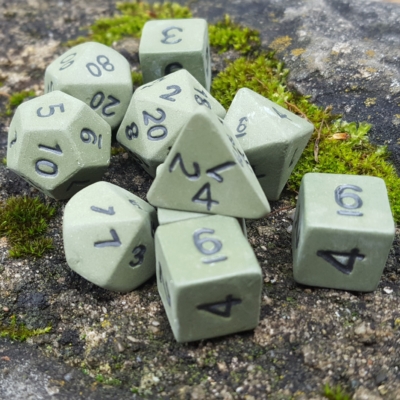
The Skeleton Ceramic Dice Set captures that unsettling cosmic dread perfectly, embodying the detachment Great Old One warlocks develop from touching alien consciousness.
Consider how your warlock relates to divine casters. A cleric serving a good deity might view your Fiend pact with horror, while a morally flexible rogue might admire your pragmatism. These interactions create natural roleplay opportunities. Your warlock might resent judgment from those who inherited power through bloodline (sorcerers) or earned it through privilege and access to education (wizards), viewing their own sacrifice as more meaningful.
Managing Patron Communication
Work with your DM to establish how your patron communicates. Dreams and visions allow for dramatic moments without disrupting gameplay. Direct telepathic contact creates immediate tension—your patron might comment on party decisions or demand specific actions mid-adventure. Physical manifestations should be rare, reserved for major story beats or critical failures that invoke patron attention.
Some effective personality traits emerge from this communication style. A warlock receiving cryptic dream messages might become obsessed with symbolism and interpretation. One with constant telepathic contact could develop a distracted quality, seeming to listen to voices others can’t hear. Limited communication might make your warlock anxious about whether they’re fulfilling their end of the bargain.
Flaws and Complications
Strong warlock personalities include meaningful flaws. The pact’s nature provides built-in complications. Maybe you’re bound to occasionally serve your patron’s interests even when they conflict with the party’s goals. Perhaps you suffer nightmares or visions that leave you exhausted, imposing real mechanical consequences. You might be forbidden from refusing certain requests or compelled to collect specific items for your patron.
Psychological flaws work well for warlocks. Paranoia about your patron’s true intentions, guilt over what you sacrificed for power, or arrogance from wielding abilities others can’t access all create interesting character moments. Physical manifestations of the pact—unusual eye color, temperature changes when using powers, or involuntary movements—give other players concrete details to notice and react to.
Personality Evolution
Let your warlock’s personality shift as the campaign progresses. Early levels might show uncertainty or wonder at newfound power. Mid-tier play could introduce confidence or creeping corruption. High-level warlocks might become more alien, taking on aspects of their patron’s nature, or might master the relationship, bending it to their will rather than being bent by it.
Character growth for warlocks often involves resolving their relationship with the patron. Maybe you start resenting the pact but grow to appreciate what it taught you. Perhaps you begin as a true believer who gradually recognizes your patron’s darker nature. These arcs require consistent personality work—plant seeds early and let them develop naturally through gameplay.
Practical Roleplaying Tips
When playing warlock personality traits at the table, commit to specific verbal and physical mannerisms. Does eldritch blast leave you momentarily drained, requiring a breath to recover? Do you unconsciously touch a pact token when stressed? Small consistent details make your character memorable without dominating table time.
Balance mystery with clarity. Other players should understand your character’s core motivations even if they don’t know all the pact’s details. A warlock who constantly schemes without explaining their reasoning becomes frustrating rather than intriguing. Share enough information to maintain party cohesion while preserving personal secrets for dramatic reveals.
Use your limited spell slots to reinforce personality. A cautious warlock conserves resources, while a reckless one burns through them confidently. How you negotiate short rests reveals character—do you push the party forward despite exhaustion, or do you advocate for recovery? These small decisions accumulate into consistent personality expression.
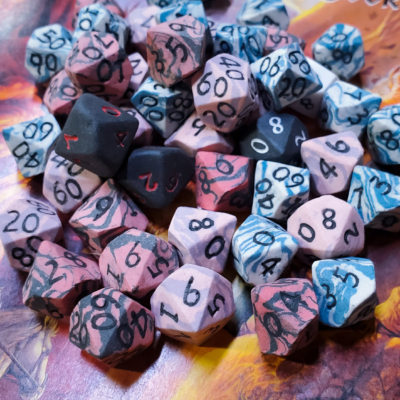
Many tables stock a Bulk 10d10 Assorted Ceramic Dice Set to handle the numerous invocations and eldritch blast damage rolls warlocks demand each session.
The best warlock roleplay stems from treating the pact as a life-altering moment, not just a mechanical power source. Every decision your character makes should echo that central bargain—whether they’re fighting against their patron’s influence or leaning into it entirely. When you root your warlock’s personality in the reality of what they’ve given up and gained, you create a character that feels genuinely alive at the table.