
Mastering D&D Alignments: Crafting the Perfect Rogue Build
Dungeons & Dragons (D&D) is a world full of creativity and strategic depth, where players can explore different characters and alignments. One of the most exciting aspects of D&D is creating a rogue character, known for their cunning, agility, and versatility. Whether you’re new to D&D or a seasoned player looking to optimize your rogue build, understanding character alignment can add depth to your gameplay.
Understanding D&D Alignments
Alignments in D&D are moral compasses that guide your character’s decisions. They range across two axes: Lawful to Chaotic and Good to Evil. A rogue’s alignment can influence their abilities and role in the party. Here’s a breakdown:
- Lawful Good: Rare for rogues but possible if they have strong personal codes.
- Neutral Good: Prioritizes doing good without strict adherence to laws.
- Chaotic Good: Ideal for rogues who follow their heart while helping others.
- Lawful Neutral: Follows rules or codes, suitable for spies or bounty hunters.
- True Neutral: Balanced approach without leaning towards good or evil.
- Chaotic Neutral: Embraces freedom and spontaneity; a popular choice for rogues.
-
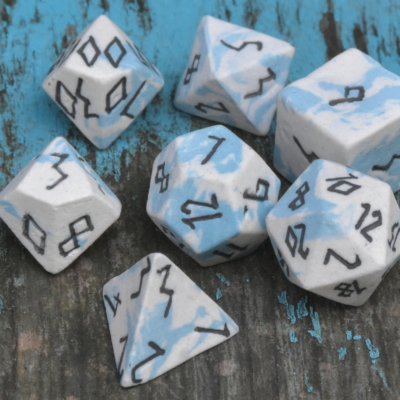
 Quick View
Runic Arrow Hawk Ceramic Dice Set
Select options This product has multiple variants. The options may be chosen on the product page -
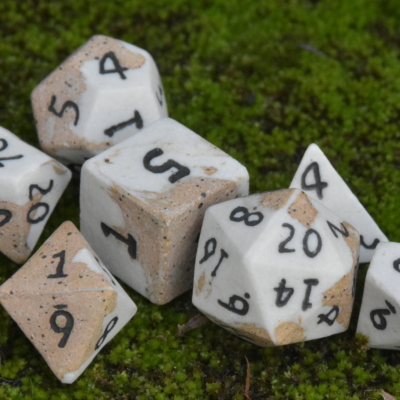 Quick View
Mocha Ceramic Dice Set
Select options This product has multiple variants. The options may be chosen on the product page -
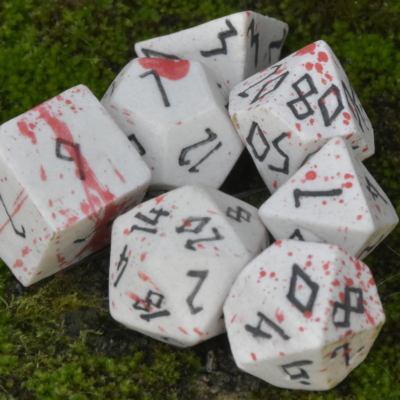 Quick View
Runic Blood Skeleton Ceramic Dice Set
Select options This product has multiple variants. The options may be chosen on the product page