
High Elf Wizard
Dungeons & Dragons (D&D) is a world where imagination and strategy intertwine, especially when crafting a character like the high elf wizard. The alignment system in D&D plays a crucial role in shaping your character’s moral and ethical outlook, influencing their decisions and interactions within the game. Explore our elf wizard 5e for more details. Explore our dungeons and dragons dragons for more details.
What is Alignment in D&D?
Alignment serves as a guide for your character’s behavior and beliefs, divided into two axes: Law vs. Chaos and Good vs. Evil. There are nine alignments ranging from Lawful Good to Chaotic Evil, each defining how characters perceive order, ethics, and morality.
High Elf Wizard Traits
As a high elf wizard, you’re not just adept with magic but also possess keen senses, heightened intelligence, and an inherent grace. Understanding your alignment can enhance these traits by providing context to your magical choices and interactions.
Choosing the Right Alignment
When selecting an alignment for your high elf wizard, consider how they view law versus chaos and good versus evil:
- Lawful Good: Abiding by laws with benevolent intentions.
- Neutral Good: Prioritizing good above all else without strict adherence to laws or chaos.
- Chaotic Good: Valuing freedom with intentions of doing good.
Your choice of alignment will reflect in how you cast spells, choose allies, and even decide on quests.
Explore Poseidon’s Gift Dice Set: A perfect companion for any high elf wizard embarking on new adventures. 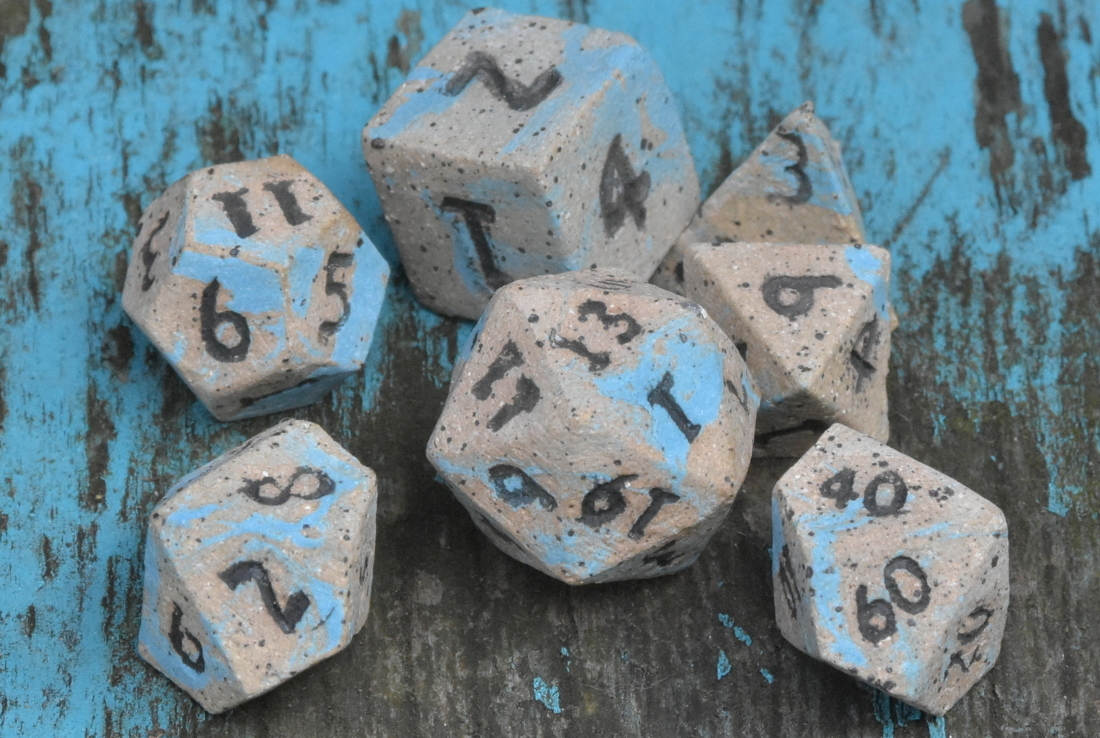
Tips for Beginners
- Experiment with different alignments to see which fits best with your gameplay style.
- Use alignment as a guide but remain flexible as your character evolves through experiences.
Advanced Strategies
- Create complex backstories that explain why your character has their particular alignment.
- Alignments can evolve; use this to add depth to character development over time.
-
 Quick View
 -
 Quick View
 -
 Quick View