Rules edition: This is a character-focused guide for the revised 2024 Aasimar and Sorcerer. Its prompts are roleplaying ideas, not additional rules or alignment requirements.
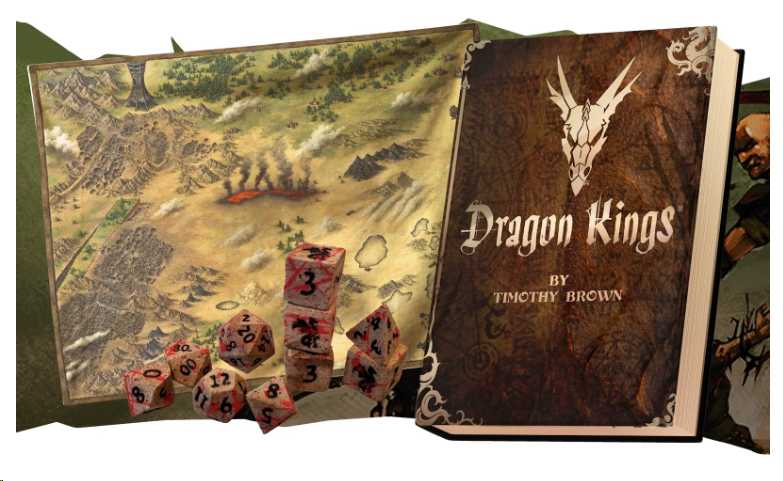
An Aasimar Sorcerer can carry two kinds of inheritance: celestial influence and magic that comes from within. Neither has to dictate who the character becomes. The most playable concept starts with a choice the character made, a relationship they value, and one question their power has not answered. A set of ceramic dice can serve as a small reminder of the revelation, family story, or promise that shaped the character.
Start with a Tension, Not a Stereotype
Celestial heritage does not require a halo, a saintly personality, or a direct assignment from a god. Sorcerous magic does not require recklessness or constant magical accidents. Put the two ideas in conversation: perhaps your character values freedom but feels watched; perhaps they use radiant power to protect people who distrust it; perhaps they are proud of their heritage yet refuse to let it decide their future.
Choose one central tension and one ordinary detail. “I want to help, but I hate being treated as a symbol” is playable. Pair it with a grounded habit—baking for the group, keeping a travel journal, repairing small objects, or memorizing everyone’s favorite meal—and the character feels like a person rather than a theme.
Decide What Celestial Heritage Means
The revised Aasimar has Celestial Resistance, Darkvision, Healing Hands, Light Bearer, and Celestial Revelation. These mechanics can inspire imagery, but they do not dictate a backstory. The character might treat Healing Hands as a sacred responsibility, an unsettling gift, a practical skill, or something they have only recently learned to control. The light cantrip might be a comforting signal, a family tradition, or an inconvenient glow that appears at the wrong time.
At level 3, Celestial Revelation offers a choice of expression when activated. Use that flexibility to show changing emotion or intent: the same character might take to the air when protecting someone, then choose a different manifestation when forced to hold a narrow passage. The rules describe the effect; the player and DM can decide how it looks and what it means.
Build a Sorcerous Origin Story
Answer these questions in a sentence apiece, then share the most useful answers with your DM:
- When did the character first realize their magic was unusual?
- Who helped them understand it—or made them afraid of it?
- What do they believe their celestial connection expects from them?
- What ordinary goal would they pursue if the campaign paused tomorrow?
- What would change their mind about the source or meaning of their power?
Leave room for the campaign to answer those questions. A celestial messenger, omen, or family secret can be an invitation to collaborate, not a demand that the DM deliver a prophecy every session. Check in about how often supernatural guidance appears and what boundaries keep it fun for everyone.
Make Mechanics Support the Story
Charisma governs revised Sorcerer spellcasting, but a high score does not mean the character is extroverted. It can represent poise, conviction, force of personality, or a presence that becomes unmistakable when magic flares. The 2024 rules place ability-score increases with background rather than species; choose a background for the character’s life and let the score support the build.
At level 1, Innate Sorcery is a Bonus Action. Celestial Revelation also uses a Bonus Action once available, so they cannot both begin on the same turn. That small tactical constraint can create a good character beat: does the Sorcerer begin with controlled confidence, or reveal their celestial nature first? The decision is mechanical, but the description is yours.
Metamagic arrives at Sorcerer level 2 and the subclass at level 3. Choose options that fit the character’s approach. A subtle caster might avoid drawing attention; a careful protector might shape area spells around allies; an impulsive experimenter might favor flexible damage. Keep the exact feature text at hand and do not add story effects that alter the rules unless your group agrees to a house rule.
Give the Party Reasons to Care
A strong roleplaying hook creates interaction without forcing other characters to follow orders. Offer a bond (“I trust the party with the truth about my visions”), a useful boundary (“I will not use celestial authority to command someone”), and a request (“Ask me what I saw after the next revelation”). Let allies disagree with the Aasimar without becoming villains, and make sure the Sorcerer has a reason to care about their goals in return.
- Ideal: Power should make room for people who are usually ignored.
- Bond: A sibling remembers who I was before anyone called me blessed.
- Flaw: I mistake other people’s expectations for promises I must keep.
- Tell: I rehearse a difficult conversation by whispering both sides aloud.
A flaw should create a choice, not derail the table. “I struggle to refuse a request for help” gives the DM and other players something to explore; “I sabotage every authority figure” can prevent the party from cooperating. Let the character grow, and let the group help decide which changes feel earned.
Official Rules Sources
- D&D Beyond Basic Rules: Sorcerer
- D&D Beyond Basic Rules: Character Origins
- D&D Beyond: The 10 Species in the 2024 Player’s Handbook
Rules reviewed September 26, 2026. Roleplay prompts are optional; consult your DM about campaign-specific lore and legacy options.
Dice for your table: ceramic dice.