
Clerics are the most misunderstood class in 5e. People hear “healer” and picture a meek robed figure standing in the back tossing out Cure Wounds like band-aids. That’s a trap, and it’ll make you miserable by level 5. A properly built Cleric is a frontline divine warrior who happens to keep the party alive between swings of a warhammer, or a battlefield controller who turns three rounds of combat into one with a well-placed Spirit Guardians. The class has the deepest spell list in the game, full plate proficiency on most subclasses, and Channel Divinity options that range from situational to absolutely busted. Twilight Cleric exists. Need we say more.
The catch is that Clerics demand more system mastery than almost any other class. You’re picking a Divine Domain at level 1 that locks in your identity, juggling prepared spells (not known, prepared, and yes the difference matters), tracking concentration on your bread-and-butter buffs, and deciding every short rest whether to burn Channel Divinity now or save it. Wisdom is your everything stat, but dump Strength and you can’t wear the heavy armor your domain handed you. The decision paralysis is real.
This hub pulls together everything we’ve written on the class: domain rankings, race pairings, spell breakdowns by level, multiclass dips that actually work, and build guides for every subclass from Life to Death. Pick a thread below and follow it as deep as you want to go.
Cleric players are different from Paladin players in a few specific ways, and we’ve had some really great conversations about it at the Crit Hit Ceramics booth at conventions. While Paladins charge in swinging holy fury, Clerics tend to be the thoughtful planners of the party, and the folks who pick them often light up when they talk about one thing: CHANNEL! Channel Divinity, channeling their deity’s power, channeling healing energy across the battlefield to keep their party alive one more round. Cleric players seem to genuinely enjoy being the backbone of the group, the person everyone quietly relies on when things get rough. They’re often the rules-knowledgeable folks at the table too, the ones who’ve read up on their domain and have a real connection to the lore and faith of whichever god they serve. There’s a quiet pride in playing the support role well.
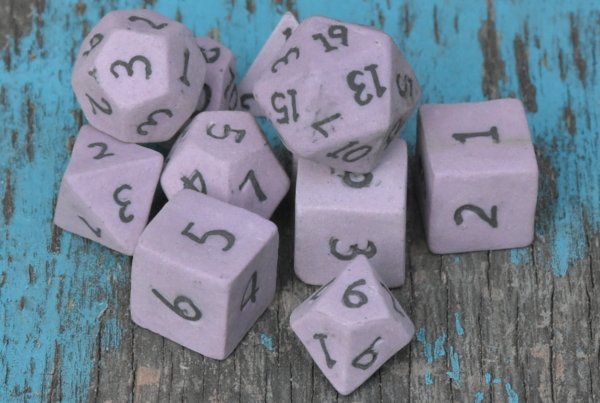
When it comes to dice, Cleric players often gravitate toward sets with a little more spiritual or celestial feel to them, something that reflects their divine connection. Our Regal Regent Ceramic Dice Set set tends to be a favorite because of its mysterious, otherworldly purple look, and the Stone Wash Giant Ceramic Dice Set set also gets picked up frequently for the warm, almost reverent tones in the glaze. They want dice that feel sacred in the hand.
Featured Dice for Cleric Players
Hand-picked ceramic dice sets from Crit Hit Ceramics that complement Cleric characters at the table.
Coming Soon
Regal Regent Ceramic Dice Set
Hand-pigmented purple English porcelain with bold black numbering. A handmade ceramic dice set for noble characters, court wizards, and c…
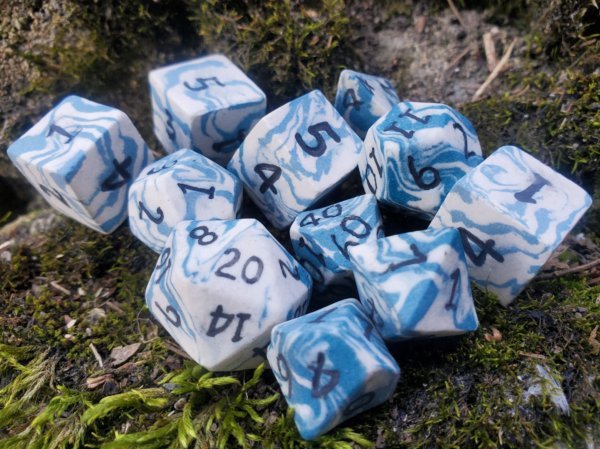
Stone Wash Giant Ceramic Dice Set
Hand-pigmented white and blue English porcelain in a glacial-stone fusion with bold black numbering. A handmade ceramic dice set for goli…
Coming Soon
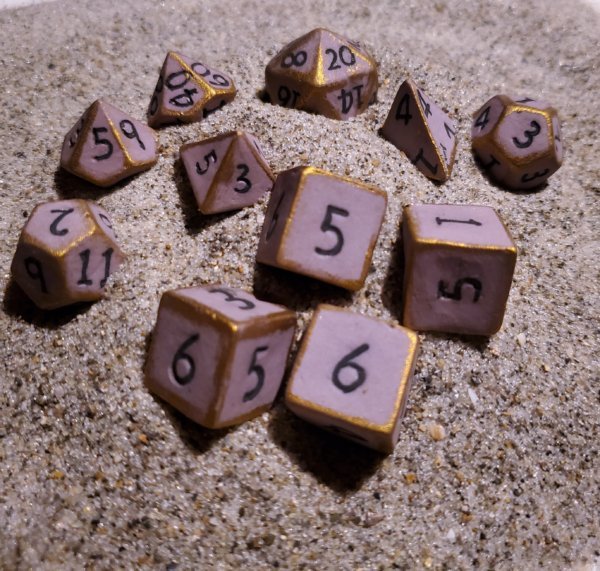
Gold Caged Regal Regent Ceramic Dice Set
The Regal Regent base — hand-pigmented purple English porcelain — with hand-painted gold edging on every face. A premium handmade cer…
Cleric Core Mechanics
The Cleric is a Wisdom-based divine spellcaster with a d8 Hit Die and saving throw proficiencies in Wisdom and Charisma—an excellent defense against mind-affecting magic. New players should know the Cleric is one of the most versatile classes in 5e: a full caster with healing, damage, buffs, and control, plus solid armor and weapon options depending on Domain.
Spellcasting is the heart of the class. Clerics are prepared casters, meaning each long rest you choose a number of spells equal to your Cleric level + Wisdom modifier from the entire Cleric spell list. This is a massive advantage over Sorcerers or Bards—you can swap your loadout daily to match the adventure ahead.
Key things to remember:
- Cantrips are always known and don’t count against your prepared list
- Domain spells are always prepared for free and don’t count against your limit
- Ritual Casting lets you cast any prepared spell with the ritual tag without using a slot
Channel Divinity arrives at 2nd level, recharging on a short or long rest. Every Cleric gets Turn Undead, forcing undead within 30 feet to flee. More importantly, your Divine Domain grants additional Channel Divinity options at 2nd and 6th level—this is what makes a War Cleric feel radically different from a Life Cleric or Trickery Cleric mechanically, not just flavor-wise.
Divine Intervention at 10th level lets you call directly on your deity (roll d100 under your Cleric level to succeed). It becomes automatic at 20th level.
Experienced players, take note: Domain choice determines heavy armor proficiency (War, Tempest, Forge, Nature, Life). Also, the Cleric’s prepared list is recalculated fully each long rest—you’re never “stuck” with a bad pick. This flexibility is the class’s true superpower.
Choosing Your Divine Domain
Your Divine Domain defines your Cleric’s identity, granting unique spells, Channel Divinity options, and combat tools. With over a dozen domains across official sourcebooks, every deity finds expression in mechanics.
Life Domain (PHB) is the gold standard healer, adding bonus hit points to every healing spell and granting heavy armor. Check out How to Build a Life Cleric in D&D 5e and How to Play a Life Domain Cleric for optimization tips. Light Domain (PHB) turns clerics into fire-flinging blasters with Fireball and Warding Flare reactions. Tempest Domain (PHB) combines heavy armor proficiency with Destructive Wrath, letting you maximize thunder and lightning damage. Trickery Domain (PHB) leans into illusion and stealth, giving allies advantage and creating decoy duplicates.
Knowledge Domain (PHB) excels at skill checks, granting expertise in two knowledge skills plus telepathic interrogation. Nature Domain (PHB) plays like a druid-lite with bonus druid cantrips and beast-charming. War Domain (PHB) is the martial cleric, adding bonus attacks via War Priest and granting attack roll bonuses. Death Domain (DMG) delves into necromancy with reaper cantrip doubling and necrotic resistance bypass.
Arcana Domain (SCAG) blurs the line with wizards, learning wizard cantrips and arcane spells like Magic Missile. Forge Domain (Xanathar’s) is the tank spellcaster supreme—heavy armor, fire damage bonuses, and magic item crafting. Explore How to Build a Forge Cleric, The Tank Spellcaster That Actually Works, Melee Magic and Tactical Durability, The Armored Healer, The Melee Combat Priest, and Memorable Villain builds. Grave Domain (Xanathar’s) specializes in anti-undead combat and cheating death with Sentinel at Death’s Door.
Order Domain (Tasha’s) supercharges action economy, letting allies attack as reactions when you cast spells on them. Peace Domain (Tasha’s) shares bonus dice across the party for attacks, saves, and checks. Twilight Domain (Tasha’s) provides 300-foot darkvision and rolling temp HP auras—see How to Play a Twilight Domain Cleric.
Older domains like Solidarity and Strength (Unearthed Arcana) offered bonus skills and athletics buffs, while setting-specific Lunar and Sun Domains emphasize moon-phase shifting spells or radiant smiting. For race-specific synergies, see Gnome Cleric Encounters.
Best Race Combinations for Cleric
Clerics live and die by their Wisdom score, so races offering +2 Wis bonuses or flexible ASIs top the list. Here are the best pairings to consider for your next divine champion:
Firbolg Cleric: A natural +2 Wisdom plus innate spellcasting and Hidden Step makes Firbolgs arguably the strongest Cleric race in the game. The Twilight domain pairing is especially devastating—dive into the Firbolg Twilight Cleric guide for a full breakdown.
Aarakocra Cleric: Flight at level 1 transforms battlefield positioning for healers and War clerics alike. The +2 Dexterity also boosts AC in lighter armor builds. See the Aarakocra deep-dive for tactical ideas.
Protector Aasimar Cleric: Radiant Soul wings and bonus radiant damage feel tailor-made for divine casters. Check out the Protector Aasimar Cleric build.
Half-Elf Cleric: Flexible +2 Charisma and two +1s let you patch Wisdom and Constitution simultaneously, plus Fey Ancestry. Explore the Half-Elf Cleric guide.
Elf (Wood) Cleric: +1 Wisdom, extra speed, and Mask of the Wild fit nature-themed clerics perfectly. The Elf Cleric guide has the details.
Tortle Cleric: A natural AC of 17 means you can dump Dexterity and focus entirely on Wisdom and Constitution. Read the Tortle Cleric guide.
Water Genasi Cleric: Swim speed, Constitution bump, and Create or Destroy Water as a bonus spell synergize beautifully with Tempest domain. See the Water Genasi build or the broader Genasi Cleric guide.
Githzerai Cleric: Wisdom bonus plus innate psionic spells layered atop Cleric spell slots create absurd action economy. Explore the Githzerai Cleric build.
Gold Dragonborn Cleric: Charisma synergy supports Light or Life domains, and breath weapons add ranged AoE. Try the Gold Dragonborn, White Dragonborn, or Green Dragonborn guides.
Half-Orc Cleric: Relentless Endurance and Savage Attacks make War or Tempest clerics terrifying frontliners. See the Half-Orc Cleric guide.
Gnome Cleric: Despite no Wisdom bonus, Intelligence and small-size advantages create unique builds—see Gnome Cleric basics and building beyond Wisdom penalties.
Cleric Build Archetypes
Not all Clerics are created equal—your subclass choice shapes whether you’re patching wounds, swinging warhammers, or buffing the entire party into demigods. Here are four proven archetypes to consider when you build your Cleric.
1) Life Domain Healer Battery. The gold standard for maximizing healing output, Life Domain adds 2 + spell level to every healing spell cast. Pair with Disciple of Life and Goodberry shenanigans for absurd HP restoration, and lean into heavy armor proficiency for frontline durability. Great for parties that need a dedicated resurrection and recovery specialist.
2) War Domain Battle Cleric. Built for melee strikers, War Domain grants bonus action attacks via War Priest and martial weapon proficiency. Dump points into Strength, grab Spiritual Weapon, and you’re swinging three times a turn by level 3. Ideal for players who want divine power delivered at the end of a maul.
3) Twilight Cleric Anchor. Still arguably the most powerful subclass since release, Twilight grants 300-foot darkvision and a Channel Divinity that hands out 1d6 + Cleric level temp HP to everyone in a 30-foot sphere—every turn. It’s a near-impenetrable shield for the whole party and pairs beautifully with action-economy-focused support builds.
4) Peace Domain Buffer. Emboldening Bond is the headliner: link up to five party members and let them add a d4 to attacks, checks, or saves when near each other. Add Sanctuary, Bless, and Aura of Peace, and your party becomes statistically untouchable. A great fit for backgrounds emphasizing community like Acolyte or Guild Artisan.
Combat Tactics & Action Economy
The signature Cleric combo is Spirit Guardians + Spiritual Weapon. Turn 1: cast Spirit Guardians (action, concentration), move into melee so enemies eat 3d8 radiant damage. Turn 2 onward: Spiritual Weapon as a bonus action attack (1d8 + spell mod), then dash or disengage as your action to drag the aura through more bodies. This is the “Cleric loop”—a concentration aura that punishes movement plus a bonus-action damage source that doesn’t break concentration. At higher levels, swap in Bless or Bane on the front end if your party already has frontline pressure.
Healing Word vs. Cure Wounds: Healing Word almost always wins. It’s a bonus action at 60 feet, leaving your action free for Toll the Dead or Sacred Flame. Cure Wounds is only correct when you’re already adjacent and have no better action to take—rare. Pop a downed ally up with Healing Word, then attack.
Channel Divinity timing: Don’t hoard it. Turn Undead on a fresh wave of skeletons saves more HP than any heal. Preserve Life works best before a big hit lands, not after the rogue is already at 0.
Concentration management: Pick one concentration spell per fight and commit. Casting Bless then upgrading to Spirit Guardians wastes a slot. Take War Caster if you’re in melee—failing a Con save mid-Spirit Guardians collapses your entire round economy.
Frequently Asked Questions About Clerics
Best Cleric Domain?
There’s no single “best” domain, as each excels in different areas. Twilight, Peace, and Order Clerics are widely considered the strongest in current 5e for their party support and action economy. Life Cleric remains the gold standard for pure healing, while Tempest and War Clerics shine in offensive roles. Trickery and Knowledge Clerics offer unique utility. Your choice should match your playstyle and party composition, so pick the domain whose flavor and mechanics excite you most.
Is Twilight Cleric overpowered?
Many players and DMs consider Twilight Cleric one of the strongest subclasses in 5e. Its Channel Divinity grants a 30-foot sphere of temporary hit points equal to 1d6 + cleric level every round, scaling significantly at higher levels. Combined with 300-foot darkvision, flight at level 17, and strong spell options, it dominates encounters. While not strictly broken, it trivializes many challenges, leading some DMs to ban or modify it for balance reasons.
Cleric vs Paladin differences?
Clerics are full spellcasters with 9th-level spells, focusing on divine magic, healing, and support from range. They use Wisdom and have access to broader spell lists. Paladins are half-casters (up to 5th-level spells) who excel in melee combat with Divine Smite, auras that buff allies, and Charisma-based abilities. Clerics suit versatile, magic-focused players, while Paladins appeal to those wanting a martial frontliner with divine powers. Both serve gods, but Paladins follow oaths instead of deities exclusively.
How does Channel Divinity work?
Channel Divinity is a class feature granting Clerics supernatural effects fueled by divine energy. All Clerics gain Turn Undead at level 2, plus a second option from their domain. Starting at level 6, you can use it twice between rests, and three times at level 18. You regain uses after a short or long rest. Each option requires an action, and some allow targets to make saving throws using your Cleric spell save DC (8 + proficiency + Wisdom modifier).
Should Clerics cast Healing Word or Cure Wounds?
Healing Word is almost always superior in combat. It’s a bonus action with 60-foot range, letting you revive downed allies while still casting a cantrip or attacking. Cure Wounds requires an action and touch range, costing you a full turn and forcing you adjacent to danger. While Cure Wounds heals slightly more, Healing Word’s action economy and range make it invaluable. Reserve Cure Wounds for out-of-combat healing or when you have spare actions to spend.
Is Cleric good for new players?
Absolutely. Clerics are excellent for beginners due to their versatility, durability, and forgiving design. With medium or heavy armor proficiency, they survive frontline encounters, while preparing spells daily lets new players experiment without permanent commitments. Healing capabilities make you indispensable, easing pressure to optimize damage. Domains like Life are straightforward, while Light or War provide clear combat roles. The class teaches core 5e mechanics like spellcasting, action economy, and party support without overwhelming complexity.
Browse All Cleric Content
Our complete library:
By Race Combination (237)
- Mastering the Female Half-Orc Cleric: A Beginner's Guide
- Soar to New Heights: Mastering the Aarakocra Cleric in D&D
- How to Build a Githzerai Cleric
- How to Build a Genasi Cleric
- How to Build an Elf Cleric
- How to Build a Water Genasi Cleric
- How to Build a Gold Dragonborn Cleric
- How to Build a Gnome Cleric in D&D 5e
- How to Build a Protector Aasimar Cleric
- How to Build a Tortle Cleric in D&D 5e
- How to Build a Half-Elf Cleric in D&D 5e
- Gnome Cleric: Building Beyond Wisdom Penalties
- How to Build a White Dragonborn Cleric in D&D 5e
- How to Build a Green Dragonborn Cleric in D&D 5e
- How to Build a Firbolg Twilight Cleric in D&D 5e
- How to Build a Lizardfolk Cleric in D&D 5e
- How to Build a Protector Aasimar Cleric in D&D 5e
- How to Build an Orc Cleric in D&D 5e
- How to Build a Silver Dragonborn Cleric
- How to Build an Elf Cleric in D&D 5e
- How to Build a Female Dragonborn Cleric in D&D 5e
- How to Build a Fire Genasi Cleric in D&D 5e
- How to Build an Aasimar Cleric in D&D 5e
- How to Build a Fallen Aasimar Cleric in D&D 5e
- How to Build a Rock Gnome Cleric in D&D 5e
- How to Build a Githzerai Cleric in D&D 5e
- How to Build a Water Genasi Cleric in D&D 5e
- How to Build a Yuan-Ti Cleric in D&D 5e
- Half-Elf Cleric Racial Traits and Multiclass Potential
- How to Build a Dragonborn Cleric in D&D 5e
- Orc Cleric: Playing Divine Fury on the Front Line
- How to Build a Githyanki Cleric in D&D 5e
- How to Build a White Dragonborn Cleric
- Fire Genasi Cleric: Elemental Fury Meets Divine Will
- How to Build an Earth Genasi Cleric in D&D 5e
- Fallen Aasimar Cleric: Necrotic Power and Thematic Conflict
- Githyanki Cleric: Bridging Warrior And Healer
- How to Build a Kenku Cleric in D&D 5e
- How to Build a Blue Dragonborn Cleric in D&D 5e
- Fallen Aasimar Cleric: Mechanics and Racial Synergies
- How to Build a Triton Cleric in D&D 5e
- Aasimar Cleric Synergy: Why This Combo Actually Works
- Aasimar Cleric: Why This Race Perfectly Fits The Class
- Aasimar Cleric: Why This Race Fits Perfectly
- Aasimar Cleric: Celestial Power and Divine Synergy
- The Aasimar Cleric's Divine Advantage in D&D
- Aasimar Cleric Subrace Synergy and Domain Choices
- Aasimar Cleric Subraces and Domain Synergies
- Aasimar Cleric Synergy: Race And Class In Perfect Harmony
- Celestial Power and Healing: The Aasimar Cleric Synergy
- Aasimar Cleric: Celestial Heritage Meets Divine Power
- Aasimar Cleric: Why Celestial Blood Suits New Players
- Lizardfolk Cleric: Cold-Blooded Healing
- How to Build a Genasi Cleric in D&D 5e
- Elemental Power Meets Divine Magic: Genasi Cleric Races
- Elemental Genasi Clerics: Matching Subrace To Domain
- Half-Elf Cleric: Why This Race Dominates Healing
- Half-Elf Clerics: Social Versatility Over Pure Optimization
- Half-Elf Cleric: Why Charisma Actually Matters
- Half-Elf Cleric: Why Mechanics Meet Character
- Half-Elf Cleric: Why This Race Excels
- How to Build a Bronze Dragonborn Cleric
- Green Dragonborn Cleric Domain Strategy Guide
- Green Dragonborn Cleric: Breath Weapon Tactics
- Green Dragonborn Cleric: Mechanic Tensions
- Green Dragonborn Cleric: Poison Armor And Support
- Firbolg Twilight Cleric's Hidden Synergies Revealed
- Firbolg Twilight Cleric Synergies and Quest Tactics
- Firbolg Twilight Cleric's Synergy in Combat
- How to Build a Triton Cleric Villain
- Female Dragonborn Cleric: Mechanics and Domain Synergies
- Female Dragonborn Cleric: Mechanics That Synergize
- Female Dragonborn Cleric: Mechanics and Theme
- How to Build a Half-Orc Cleric in D&D 5e
- How to Build a Female Half-Orc Cleric in D&D 5e
- How to Play a Half-Orc Cleric in D&D 5e
- Gnome Cleric's Edge Against Magic in 5e
- Gnome Cleric: The Underrated Support Powerhouse
- Gnome Cleric: Why Mental Saves Trump Dwarf Builds
- How to Build an Air Genasi Cleric in D&D 5e
- Building an Air Genasi Cleric: Lore and Campaign Integration
- Air Genasi Cleric: Lore, Mechanics, Domain Picks
- How to Play an Air Genasi Cleric in D&D 5e
- Aasimar Cleric: Healing Hands and Divine Power
- Aasimar Cleric Magic: Radiant Damage and Healing
- Aasimar Cleric: Mechanics and Narrative Synergy
- Aasimar Cleric Spellcasting and Synergies
- Kenku Clerics: Divine Power Through Creative Mimicry
- How to Play a Kenku Cleric in D&D 5e
- How to Play a Kenku Cleric on Adventures
- Kenku Cleric: Playing Divine Faith Through Mimicry
- Tortle Cleric: Building Durability Over Optimization
- Tortle Cleric: Natural Armor Meets Divine Magic
- Tortle Cleric: Heavy Armor Without The Cost
- How to Play a Tortle Cleric in D&D 5e
- How to Build a Bugbear Cleric in D&D 5e
- Bugbear Cleric Combat: Ambush Tactics and Reach
- Bugbear Cleric: Stealth and Ambush Tactics
- How to Play an Elf Cleric in D&D 5e
- How to Play an Elf Cleric in Combat
- Best Backgrounds for Aasimar Clerics in D&D 5e
- Best Backgrounds for Fallen Aasimar Clerics in D&D 5e
- How to Play a Gnome Cleric in Mystery Campaigns
- How to Build a Green Dragonborn Cleric
- How to Play a Green Dragonborn Cleric in D&D 5e
- How to Play Green Dragonborn as a Cleric
- How to Play a Frontline Green Dragonborn Cleric
- How to Build a Tortle Cleric for Ancient Ruins Campaigns
- Tortle Cleric: The AC Solution Most Clerics Miss
- How to Build a Tortle Cleric for Dungeon Delving
- Building an Ancient Ruins Campaign with a Tortle Cleric
- How to Build a Black Dragonborn Cleric in D&D 5e
- Black Dragonborn Cleric: Frontline Healer Strategy
- Black Dragonborn Cleric: Acid Breath Meets Divine Power
- Black Dragonborn Cleric Domains and Combat Tactics
- How to Build a Gold Dragonborn Cleric in D&D 5e
- Gold Dragonborn Cleric: Optimizing Draconic Divine Power
- Gold Dragonborn Cleric: Mechanics and Domain Synergy
- Rock Gnome Cleric: Why Mechanics Meet Divine Magic
- Rock Gnome Cleric: Why They Outperform Expectations
- How to Build a Rock Gnome Cleric
- Rock Gnome Cleric: Divine Tinkers for Problem-Solvers
- How to Build a Half-Elf Cleric for Combat
- How to Play a Half-Elf Cleric in Combat
- Half-Elf Cleric Ability Scores and Synergies
- Half-Elf Cleric Combat: Handling Tough Encounters
- How to Play a Gnome Cleric in D&D 5e
- Gnome Cleric: Mental Defenses Over Wisdom
- Gnome Cleric Subrace Choice and Domain Strategy
- Gnome Cleric: Why Small Size Beats Wisdom Bonus
- How to Play a Goblin Cleric in D&D 5e
- How to Play a Goblin Cleric in Groups
- How to Build a Goblin Cleric in D&D 5e
- How to Play a Goblin Cleric With Mobility
- How to Build an Aarakocra Cleric in D&D 5e
- How to Play an Aarakocra Cleric in Political Campaigns
- Aarakocra Cleric: Flight Over Spellcasting Power
- How to Build an Aarakocra Cleric for D&D 5e
- Female Dragonborn Cleric: Synergy Beyond Flavor
- How to Build a Female Dragonborn Cleric
- Female Dragonborn Cleric: Melee Healing and Breath Weapon Tactics
- Female Dragonborn Cleric: Draconic Power in Divine Form
- Tortle Cleric: Playing Nature's Divine Warrior
- Tortle Cleric: Melee Armor Without Sacrifice
- Tortle Cleric: Building D&D's Toughest Divine Caster
- Tortle Cleric: Why Natural Armor Beats Optimization
- How to Build a Half-Elf Cleric with Ranger Multiclass
- Half-Elf Cleric: Why Flexibility Beats Optimization
- How to Build a Half-Elf Cleric for Revenge Campaigns
- Building a Half-Elf Cleric for Revenge Campaigns
- Building a Half-Elf Cleric with a Revenge Arc
- Building a Half-Elf Cleric for a Revenge Campaign
- How to Build a Firbolg Cleric in D&D 5e
- How to Build a Firbolg Cleric for Mystery Campaigns
- How to Build a Female Firbolg Cleric in D&D 5e
- How To Play A Firbolg Cleric In Mystery Games
- The Githyanki Cleric's Tactical Combat Edge
- Githyanki Cleric: Navigating Race and Class Friction
- Githyanki Cleric: Defying Culture Through Faith
- How to Play a Gnome Cleric When the Party Splits
- Gnome Cleric Tactics for Party Control
- How to Play a Gnome Cleric When Split From Party
- Gnome Cleric: Why Mental Resilience Wins Parties
- How to Build an Evil Half-Elf Cleric
- How to Build a Male Half-Elf Cleric in D&D 5e
- How to Play an Evil Half-Elf Cleric
- How to Build a Half-Elf Cleric for Evil Campaigns
- Half-Elf Clerics for New Players and Veterans
- How to Play a Half-Elf Cleric in D&D 5e
- Aarakocra Cleric: Flight vs Heavy Armor Tradeoffs
- Dynamic Aarakocra Cleric Tactics for Aerial Combat
- Aarakocra Cleric Flight And Tactical Positioning
- Aarakocra Cleric: Mastering Aerial Tactics
- How to Build a Warforged Cleric in D&D 5e
- Warforged Cleric: Why Problem Players Choose Them
- Blue Dragonborn Cleric Combat Encounters
- Blue Dragonborn Cleric Tactics for Combat
- Blue Dragonborn Cleric: Synergizing Draconic Traits
- Blue Dragonborn Cleric Combat Tactics
- Goliath and Resurrection Spells: A Party Role Guide
- Half-Elf Cleric Stat Distribution and Ability Synergies
- Half-Elf Cleric: Balancing Face and Spellcaster
- Half-Elf Cleric: Why Charisma and Skills Win
- Half-Elf Cleric: Why This Combo Actually Delivers
- Black Dragonborn Cleric: Acid Damage and Divine Durability
- Black Dragonborn Cleric Traits and Ability Scores
- How to Build a Female Dragonborn Cleric Backstory
- How To Craft Your Female Dragonborn Cleric's Backstory
- How To Weave Divine Faith Into Draconic Heritage
- Building a Female Dragonborn Cleric: Character Guide and Backstory Ideas
- Best Backgrounds for Half-Orc Clerics
- Best Backgrounds for Half-Orc Cleric Builds in D&D 5e
- Best Backgrounds for a Half-Orc Cleric in D&D 5e
- How to Play a Green Dragonborn Cleric's Moral Conflict
- How to Play a Dragonborn Cleric: Alignment and Morality Guide
- How to Play a Green Dragonborn Cleric With Moral Conflict
- How to Play a Green Dragonborn Cleric's Inner Conflict
- How to Play a Kenku Cleric Through Improvisation
- How to Play a Kenku Cleric Without Speaking
- How to Play a Kenku Cleric Through Mimicry
- How to Build a Grung Cleric in D&D 5e
- Grung Cleric: Weaponizing Poison With Elemental Domains
- Grung Cleric: Weaponizing Poison For Divine Magic
- Building a Protector Aasimar Cleric: Divine Lore and Campaign Integration
- Protector Aasimar Cleric: Mechanics That Match Your Theme
- How to Play an Aasimar Cleric: Lore Integration for Campaign Depth
- How to Play a Protector Aasimar Cleric in D&D 5e
- Half-Elf Cleric: Why Versatility Wins
- Building a Half-Elf Cleric: Backstory and Character Depth
- How to Play a Half-Elf Cleric Through Storytelling
- Best Magic Items for Triton Clerics in D&D 5e
- How to Equip a Triton Cleric
- How To Build A Poison-Focused Green Dragonborn Cleric
- How to Leverage Green Dragonborn's Poison Breath
- Green Dragonborn Cleric: Poison Breath Meets Divine Magic
- Dragonborn Cleric: Why Draconic Heritage Works
- Earth Genasi Cleric: Durability Over Damage
- Earth Genasi Clerics: Resilience And Tactical Power
- Earth Genasi Cleric: Why Stone Meets Spirit
- Earth Genasi Cleric: Divine Power Grounded In Stone
- Bugbear Cleric: Ambush Tactics And Reach Mastery
- Aasimar Cleric: Synergies, Subraces, And Strategic Choices
- Githzerai Cleric: Mental Discipline Meets Divine Magic
- Orc Cleric: Breaking Stereotypes With Divine Magic
- How to Play a Kenku Cleric in Campaigns
- Warforged Cleric: Tank the Line With Divine Power
- Magic Items for Lizardfolk Clerics in D&D 5e
- Aasimar Cleric: Mechanics and Narrative Alignment
- Half-Orc Cleric: Building Faith From Brutal Heritage
- How to Build a Fire Genasi Cleric
- How to Optimize Silver Dragonborn Cleric Stats
- Grung Cleric Storytelling: Building Around Mechanical Constraints
- Warforged Cleric: Building Durability and Healing
- Aasimar Cleric: Celestial Healing and Frontline Support
- Dragonborn Cleric: Front-Line Healer Strategy
- How to Build a Wood Elf Cleric in D&D 5e
- How to Build an Aasimar Light Cleric
By Divine Domain (10)
- How to Build a Life Cleric in D&D 5e
- How to Play a Life Domain Cleric in D&D 5e
- How to Build a Forge Domain Cleric in D&D 5e
- Forge Domain Cleric: The Armored Healer
- Forge Domain Clerics: Melee Magic And Tactical Durability
- How to Build a Forge Cleric in D&D 5e
- Forge Cleric: The Tank Spellcaster That Actually Works
- Gnome Cleric Encounters: Subclass Options
- Forge Domain Cleric: The Melee Combat Priest
- How to Play a Twilight Domain Cleric in D&D 5e
Build Guides & Optimization (11)
- How to Build a Cleric in D&D 5e
- How to Build Triton Cleric Villains That Players Won't Forget
- How to Build a Triton Cleric Villain for Your D&D Campaign
- How to Build a Cleric to Handle Death and Resurrection
- Elf Cleric Survivability: Why Dexterity Beats Wisdom
- Best Backgrounds for Cleric Characters in D&D 5e
- Best Backgrounds for Clerics in D&D 5e
- Cleric Support Builds: Healing, Versatility, and Action Economy
- Best Feats for Clerics in D&D 5e
- How to Build a Cleric Fighter Multiclass in D&D 5e
- How to Build a Dual-Wielding Cleric in D&D 5e