Sorcerers get a raw deal in conversation. People hear “spontaneous caster” and immediately compare you to the Wizard’s spellbook, then point at your Spells Known list like it’s a punishment. Ignore them. A Sorcerer’s signature feature is Metamagic, which lets you alter certain spells as you cast them. Under the 2014 rules, Quickening Fireball uses your bonus action, so the only other spell you can cast that turn is a one-action cantrip; Scorching Ray is also ineligible for 2014 Twinned Spell because it can target more than one creature at its current level.
That said, the class punishes sloppy building. Your spell list is locked in for the long haul, so picking Witch Bolt at level 1 because it sounds cool will haunt you until your next ASI swap. Sorcery Points are a tight economy at low levels, when each use competes with other options in a small pool. Under the 2014 rules, you gain Font of Magic at Sorcerer 2 and Metamagic at Sorcerer 3. Flexible Casting has different conversion costs in each direction, so plan around the slot or Metamagic option you need.
Subclass choice matters more here than almost any other class. Draconic Bloodline plays nothing like Clockwork Soul, which plays nothing like Aberrant Mind. The differences run deeper than flavor.
Rules scope: This hub’s Sorcerer mechanics and action-economy guidance use the 2014 rules unless a source or edition is named. Species examples below refer to the source versions identified in each entry or linked guide; the 2024 rules revise both the Sorcerer and many species.
Official rules references: 2014 Sorcerer class · 2014 spellcasting · 2014 Player’s Handbook errata · Tasha’s Cauldron of Everything · Dragonlance: Shadow of the Dragon Queen · 2024 Player’s Handbook.
Everything we’ve written on the class lives below: subclass rankings, spell picks by level, Metamagic priority orders, multiclass dips that actually pull weight, and full builds from level 1 to 20. Start wherever your current character lives.
Sorcerer players have a certain spark when they roll up to our booth, and you can usually spot them within the first minute of conversation. They tend to be expressive, dramatic in the best way, and they love talking about the wild moments their character pulled off last session. When we ask what makes them love playing a Sorcerer, the answer almost always comes back to one word: METAMAGIC! That ability to twin a spell, quicken a fireball, or subtle-cast their way out of a sticky situation is pure magic to them, pun intended. Sorcerer players also tend to lean into the bloodline aspect of the class. They love that their power is innate, woven into who their character is, whether that’s draconic ancestry, a wild magic surge waiting to happen, or something stranger lurking in their veins. They’re storytellers at heart.
When it comes to dice, Sorcerer players almost always gravitate toward sets with movement, swirl, or something that feels alive in the hand. They want dice that look like they hold a little chaos. Our Runic Dark Castle Ceramic Dice Set set tends to be a favorite because of the way the colors bleed into each other, and the Windcaller Ceramic Dice Set set gets picked up constantly for its vibrant appearance. Flashy dice for flashy casters.
Featured Dice for Sorcerer Players
Hand-picked ceramic dice sets from Crit Hit Ceramics that complement Sorcerer characters at the table.
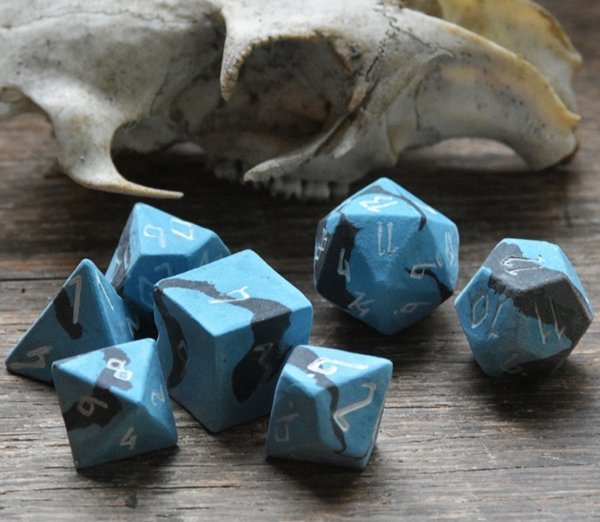
Runic Dark Castle Ceramic Dice Set
The Dark Castle base — black and deep blue English porcelain — finished with our signature runic-style numbering. A premium handmade …
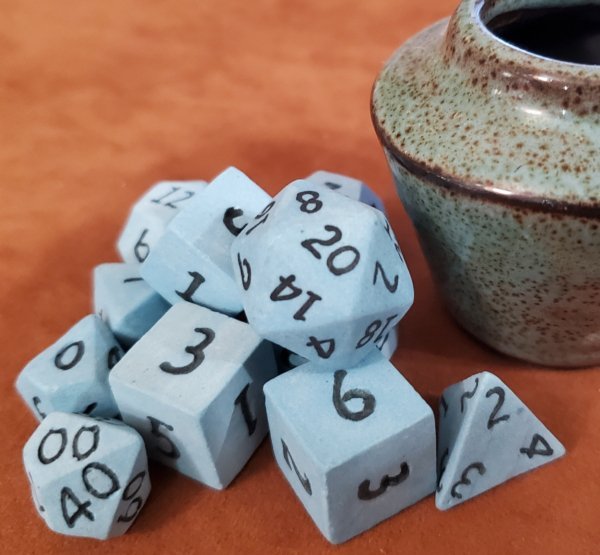
Coming Soon
Windcaller Ceramic Dice Set
Soft, atmospheric turquoise hand-pigmented English porcelain with bold black numbering. A handmade ceramic dice set for storm sorcerers, …
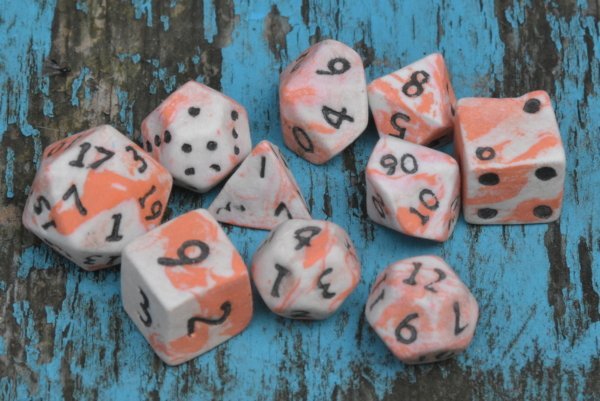
Coming Soon
Dreamsicle Ceramic Dice Set
Hand-pigmented orange and white English porcelain in a soft, summery fusion with bold black numbering. A handmade ceramic dice set for su…
.hub-featured-products { background:#faf7f0; border:1px solid #d4c8a8; border-radius:6px; padding:1.5em 2em; margin:2.5em 0; }
.hub-featured-products h2 { border:none !important; margin-top:0 !important; color:#5c3a1f; font-size:1.5em; padding-bottom:0 !important; }
.hub-featured-intro { color:#6a5a3c; margin-bottom:1.5em; font-style:italic; }
.hub-product-grid { display:grid; grid-template-columns:repeat(auto-fit, minmax(250px, 1fr)); gap:1.5em; }
.hub-product-card { background:white; border:1px solid #e3d7b8; border-radius:4px; overflow:hidden; transition:box-shadow 0.2s; }
.hub-product-card:hover { box-shadow:0 4px 12px rgba(0,0,0,0.1); }
.hub-product-image { display:block; padding:1em; background:#fafafa; position:relative; }
.hub-product-image img { width:100%; height:auto; display:block; }
.hub-stock-badge { position:absolute; top:0.6em; right:0.6em; background:#8B4513; color:white; padding:0.3em 0.7em; border-radius:3px; font-size:0.75em; font-weight:600; }
.hub-product-info { padding:0 1.2em 1.2em 1.2em; }
.hub-product-info h4 { font-size:1.05em; margin:0.5em 0 0.3em 0; line-height:1.3; }
.hub-product-info h4 a { color:#5c3a1f; text-decoration:none; }
.hub-product-info h4 a:hover { text-decoration:underline; }
.hub-product-price { color:#8B4513; font-weight:700; font-size:1.15em; margin:0.3em 0; }
.hub-product-desc { font-size:0.9em; color:#666; line-height:1.4; margin:0.5em 0 1em 0; min-height:3.6em; }
.hub-product-cart { display:inline-block; background:#8B4513; color:white !important; padding:0.6em 1.2em; border-radius:4px; text-decoration:none !important; font-weight:600; font-size:0.9em; transition:background 0.2s; }
.hub-product-cart:hover { background:#6b3410; }
.hub-shop-all { color:#8B4513; font-weight:600; text-decoration:none; }
.hub-shop-all:hover { text-decoration:underline; }
.hub-featured-cta { text-align:center; margin:1.5em 0 0 0; }
Sorcerer Core Mechanics
The Sorcerer is D&D 5e’s innate spellcaster—someone who wields magic through bloodline or cosmic accident rather than study. Mechanically, this translates to a focused, high-impact caster who trades breadth for raw flexibility within a smaller toolkit.
Hit Dice are d6, the squishiest in the game, and Charisma is your everything—attacks, saves, DCs, social skills. Proficiency in Constitution and Charisma saves is excellent: Con helps you concentrate on spells, and Cha saves resist some of the nastiest high-level effects.
For new players: Sorcerers are a “known caster,” meaning you pick a small fixed list of spells (only 15 by level 20) and can’t swap them freely like a Wizard. Choose carefully—your spells are your identity. Lean into your highest-impact picks rather than utility hoarding.
At 2nd level, Font of Magic grants Sorcery Points equal to your Sorcerer level. These fuel two key abilities:
- Flexible Casting: Convert sorcery points into spell slots (or burn slots for points) mid-combat, letting you nova when it matters.
- Metamagic: Modify spells in ways no other class can replicate.
Metamagic is the Sorcerer’s signature. You learn options like Twinned Spell (target two creatures with a single-target spell), Quickened Spell (cast a spell as a bonus action), Subtle Spell (no verbal or somatic components—godly for social or grappled scenarios), Heightened Spell (impose disadvantage on a saving throw), and Empowered Spell (reroll damage dice).
What surprises veterans: the conversion rates are deliberately punitive—converting points to a 5th-level slot costs 7 points, so don’t expect infinite slots. The real power is Quickened fireball + cantrip turns and Twinned haste/polymorph combos.
Where Wizards are toolboxes, Sorcerers are scalpels. Pick a lane—blaster, controller, or face—and weaponize Metamagic to break expectations every round.
Choosing Your Sorcerous Origin
Your Sorcerous Origin defines the source of your innate magic, shaping both flavor and playstyle from level 1. Here are selected official options from the named books; the revised 2024 Sorcerer and its subclasses use a separate ruleset.
Draconic Bloodline (PHB) traces your power to draconic ancestry, granting you bonus HP, unarmored AC, and an elemental damage type tied to your chosen dragon. It’s the classic durable blaster, perfect if you want to feel like a half-dragon flinging your signature element. Check out our elemental Sorcerer build guide for synergy ideas.
Wild Magic (PHB) embraces chaos with a Wild Magic Surge table that can trigger after spellcasting, producing wildly unpredictable effects. Tides of Chaos lets you gain advantage on one attack roll, ability check, or saving throw. After you use it, the 2014 feature lets the DM call for a Wild Magic Surge after a qualifying Sorcerer spell; that surge restores your use of Tides of Chaos. A favorite for players who love narrative chaos.
Storm Sorcery (SCAG/Xanathar’s) turns you into a mobile skirmisher. Tempestuous Magic lets you use a bonus action before or after casting a 1st-level-or-higher spell to fly up to 10 feet without provoking opportunity attacks; it is not automatic flight after every spell. It rewards aggressive positioning and pairs beautifully with metamagic. See our Metamagic Mastery guide for tips.
Shadow Magic (Xanathar’s) ties your power to the Shadowfell, granting darkvision, a Strength of the Grave death-defying feature, and the ability to summon a Hound of Ill Omen. Lean into a brooding, necromantic vibe with serious survivability.
Divine Soul (Xanathar’s) lets you choose Sorcerer spells from the Cleric spell list as well as the Sorcerer list, subject to the subclass’s rules and your normal spells-known limit. It can support either healing or damage-focused builds. Healing, buffs, and metamagic-boosted damage all in one chassis. Our Divine Soul Sorcerer build guide walks through optimization.
Aberrant Mind (Tasha’s) grants telepathy, psionic spells learned outside your normal list, and the ability to swap those spells for divination/enchantment options. It’s the premier psionic caster. Dive deep with our Aberrant Mind guide, infiltration playstyle breakdown, psionic control techniques, and West Marches build.
Clockwork Soul (Tasha’s) draws power from the planes of pure order, granting bonus spells and Restore Balance, which cancels advantage or disadvantage on a creature. It’s a controller-leaning Sorcerer with strong defensive tools.
Lunar Sorcery (Dragonlance) shifts between Full, New, and Crescent Moon phases, each granting different bonus spells you can cast without expending slots once per long rest. It’s a versatile, flavorful origin perfect for celestial-themed casters.
Whichever you choose, pair it with a strong narrative hook—our Sorcerer backgrounds guide can help.
Best Race Combinations for Sorcerer
Sorcerers rely on Charisma, and species features can add useful defenses or spells. The examples below use the versions named in their linked guides. Legacy 2014 species traits and fixed ability-score increases do not automatically carry over to revised 2024 species rules.
Tiefling — The 2024 Tiefling’s Fiendish Legacies grant different resistances and spells, so a build should name the legacy it uses. See our Tiefling Sorcerer Build Guide (2024 Rules).
Aasimar — Some legacy versions provide a Charisma increase, a radiant damage feature, and Healing Hands; use the exact version named in the linked guide. See How to Build an Aasimar Sorcerer.
Half-Elf — The legacy 2014 version has +2 Charisma, +1 to two other ability scores, Darkvision, and Fey Ancestry. Check How to Build a Half-Elf Sorcerer and the dragon-flavored Half-Elf Draconic Sorcerer guide.
Drow — The 2014 version has Superior Darkvision and innate spells including Faerie Fire, which uses Charisma. Full breakdown in How to Build a Drow Sorcerer.
Half-Drow — This variant combines the 2014 Half-Elf traits with its listed Drow Magic option. Explore the build in How to Build a Half-Drow Sorcerer.
Air Genasi — Use the version named in the linked guide; Genasi traits and spellcasting differ between published versions. See How to Build an Air Genasi Sorcerer, or compare subraces in How to Build a Genasi Sorcerer.
Yuan-Ti — This legacy Volo’s Yuan-ti Pureblood version has Magic Resistance and poison immunity. The revised Monsters of the Multiverse version has poison resistance rather than immunity. Full guide: How to Build a Yuan-Ti Sorcerer.
Githzerai — Use the version named in the linked guide; Githzerai psionic spells and defenses differ by source and edition. See How to Build a Githzerai Sorcerer.
Firbolg — The legacy 2014 Firbolg’s Hidden Step can make you invisible briefly, subject to its use limit; the revised Firbolg feature has different wording and uses. Read How to Build a Firbolg Sorcerer.
Half-Orc — The legacy 2014 Half-Orc’s fixed ability increases may not suit a Charisma build, while Relentless Endurance can help keep a fragile caster standing. Learn to make it work in How to Build a Half-Orc Sorcerer and Building Beyond The Stat Mismatch.
Sorcerer Build Archetypes
The Sorcerer’s flexibility through Metamagic creates wildly different play experiences depending on your chosen archetype. Before locking in a direction, review the Sorcerer Ability Score Priority in D&D 5e and the Sorcerer Quick Build Guide to make sure your foundation supports your concept.
1) Twinned Single-Target Blaster. A Draconic Sorcerer can use 2014 Twinned Spell on eligible single-target damage spells such as Chromatic Orb or Disintegrate; Fireball handles crowds but cannot be Twinned. Maxing Charisma is non-negotiable, so see Most Important Sorcerer Stats. Key features: Twinned Spell, Quickened Spell, Draconic Resilience.
2) Subtle Caster. A Divine Soul or Shadow Sorcerer using Subtle Spell can cast without verbal or somatic components, which can help in social scenes and can prevent Counterspell when the casting has no perceptible components. Material components still apply. Pair with a sneaky background from Best Backgrounds for Sorcerers or Backgrounds: Narrative and Mechanics. Key features: Subtle Spell, Heightened Spell, Hold Person/Suggestion.
3) Quickened Bladelock. A one-level Hexblade dip grants Charisma-based weapon attacks, then Sorcerer levels add Quickened Spell to fire off Eldritch Blast plus a melee strike each round. The Drow Sorcerer-Rogue multiclass guide offers parallel multiclass insights. Key features: Hex, Shadow Blade, Quickened Spell, Booming Blade.
4) Storm Sorcerer Mobility. Tempestuous Magic gives 10 feet of flight after every leveled spell, letting you cast-and-fly out of melee untouched. Constitution survivability matters here, so consult Charisma, Constitution, and Survival and Backgrounds That Maximize Skills and Survival. Key features: Tempestuous Magic, Heart of the Storm, Shatter, Call L
Combat Tactics & Action Economy
Sorcery Points, spell slots, and your action economy all matter. Do not reserve a fixed six-point budget: under the 2014 rules, your Sorcery Point maximum equals your Sorcerer level, and you gain Metamagic at Sorcerer 3. Quickened Spell costs 2 points and changes a one-action spell to a bonus-action spell; if you cast it, the only other spell you can cast that turn is a cantrip with a one-action casting time. This can add options, but it does not guarantee more damage. Twinned Spell can affect eligible single-target spells such as Haste, Polymorph, or Disintegrate; check the spell’s targets at the level cast.
Convert slots to points only after combat or when you’ve identified a clear Quicken/Twin window—never speculatively. The reverse conversion (points to slots) is a trap: you lose value, so only do it in emergencies when you’ve blown your slots but still have 5+ points and a long rest is far off. End-of-day dumps into points-to-slots for a final nova are acceptable.
A 2014 Sorcerer knows six spells at level 5. You can know several concentration spells, but you can maintain concentration on only one spell at a time; Haste and Hypnotic Pattern are alternatives for a given encounter, not simultaneous effects. If a fight opens with crowd control, hold Quicken for the follow-up damage cantrip same turn.
Under the 2014 rules, Subtle Spell costs 1 Sorcery Point and removes verbal and somatic components, not material components. It can let you cast Suggestion without verbal components, Misty Step without its verbal component, or Counterspell without its somatic component; check any material component and whether the casting remains perceptible. Subtle Spell does not bypass antimagic.
Frequently Asked Questions About Sorcerers
Sorcerer vs Wizard which is better?
Neither is objectively better—they excel in different areas. Wizards have a vastly larger spell selection, ritual casting, and superior versatility through their spellbook. Sorcerers know fewer spells but gain Metamagic, allowing them to twin, quicken, or empower spells in ways no other class can. If you enjoy flexibility and preparation, choose Wizard. If you prefer raw casting power and reshaping spells on the fly, Sorcerer is the stronger pick.
Best Metamagic options?
Quickened Spell and Twinned Spell are widely considered the top picks. Quickened Spell lets you cast a spell as a bonus action, enabling devastating turns like Haste plus a cantrip. Twinned Spell doubles single-target spells like Haste, Polymorph, or Disintegrate. Subtle Spell can help in social or stealth situations by removing verbal and somatic components. It does not automatically bypass Counterspell: the casting must have no perceptible components, and material components remain. Heightened Spell shines against major bosses. Avoid Distant and Extended Spell unless your build specifically needs them.
Best Sorcerous Origin?
Clockwork Soul and Aberrant Mind (from Tasha’s Cauldron of Everything) are widely regarded as the strongest origins. Both grant free expanded spell lists, effectively solving the Sorcerer’s biggest weakness: limited spells known. Aberrant Mind excels at psionic flavor and telepathy, while Clockwork Soul offers powerful defensive abilities like Bastion of Law. Divine Soul is also strong, blending cleric healing with sorcerer offense. Draconic Bloodline remains a solid, thematic classic choice.
Best Sorcerer race?
With modern rules allowing you to assign ability score increases freely, nearly any race works. For 2014 characters, legacy Aasimar subraces have different transformation features; Variant Human can select an eligible feat, while Elven Accuracy requires an Elf or Half-Elf. Legacy Yuan-ti Pureblood has Magic Resistance, while the revised Monsters of the Multiverse version has poison resistance rather than immunity. Legacy Half-Elf ability increases differ from revised 2024 rules. Tieflings remain thematically perfect. Ultimately, pick a race whose features complement your subclass and roleplay vision rather than chasing pure optimization.
Is Sorcerer good for new players?
Sorcerer is moderately beginner-friendly but not the easiest caster to learn. The class has straightforward mechanics and limited spells known, meaning less daily preparation than a Wizard or Cleric. However, managing Sorcery Points, Metamagic timing, and spell slot conversion adds complexity. New players who want simplicity should consider a Draconic Bloodline Sorcerer with basic Metamagic choices. Those intimidated by resource management might find a Warlock or Fighter easier starting points.
Sorlock multiclass worth it?
Yes, Sorlock (Sorcerer/Warlock) is one of the most powerful multiclass builds in 5e. Typically you take 2-3 levels of Hexblade Warlock for Charisma-based weapon attacks, medium armor, and short-rest spell slots, then continue as Sorcerer. You can convert an available Warlock Pact Magic slot into Sorcery Points under the 2014 multiclass rules, but your Sorcery Point pool cannot exceed your Sorcerer level. Pact slots and points are limited, conversion takes a bonus action, and this provides extra finite fuel rather than unlimited Quickened Spells. The combo enables devastating Eldritch Blast turns with Hex and Quicken. However, it delays high-level spells, so commit fully or skip it.
Browse All Sorcerer Content
Our complete library:
By Race Combination (115)
- How to Build an Air Genasi Sorcerer in D&D 5e
- How to Build a Drow Sorcerer in D&D 5e
- How to Build an Aasimar Sorcerer in D&D 5e
- How to Build a Half-Orc Sorcerer in D&D 5e
- How to Build a Half-Elf Sorcerer in D&D 5e
- How to Build a Half-Drow Sorcerer in D&D 5e
- Half-Orc Sorcerer: Building Beyond The Stat Mismatch
- How to Build a Half-Elf Draconic Sorcerer in D&D 5e
- How to Build a Firbolg Sorcerer in D&D 5e
- How to Build a Genasi Sorcerer in D&D 5e
- How to Build a Githzerai Sorcerer in D&D 5e
- How to Build a Yuan-Ti Sorcerer in D&D 5e
- Half-Elf Sorcerer: Mechanics and Roleplay Synergy
- Genasi Sorcerer Synergies: Race and Class Mechanics
- Half-Elf Sorcerer: Why This Pairing Dominates
- How to Play a Hobgoblin Sorcerer in D&D 5e
- How to Build a Warforged Sorcerer in D&D 5e
- Firbolg Sorcerer: Trading Power For Versatility
- Tortle Sorcerer Build Guide (2014 Rules): Legacy Edition
- Warforged Sorcerer: Building an Unkillable Mage
- Warforged Sorcerer: Surviving With Arcane Power
- Warforged Sorcerer: Trading Optimization For Versatility
- Warforged Sorcerer: Durable Spellcasting Through Construct Design
- 2014 Red Dragonborn Sorcerer Build: Fire Damage & Tactics
- How to DM for a Tiefling Sorcerer in Your Campaign
- Githyanki Sorcerer Build Guide: 2024 Rules and Combat Tactics
- Githyanki Sorcerer Build (2014 Rules): Legacy Guide
- How to Build a Tiefling Shadow Sorcerer
- How to Build a Tiefling Shadow Sorcerer in D&D 5e
- Tiefling Shadow Sorcerer: Thematic Synergy And Mechanics
- How to Play a Tiefling Shadow Sorcerer in D&D 5e
- How to Leverage Drow Magic for Your Sorcerer-Rogue
- How to Balance Ability Scores in Drow Sorcerer/Rogue
- How to Build an Aasimar Divine Soul Sorcerer
- How to Maximize Aasimar Divine Soul Synergy
- How to Build an Aasimar Divine Soul Sorcerer in D&D 5e
- How to Blend Healing and Damage as Divine Soul
- Half-Elf Sorcerer: Why This Race Class Combo Works
- How to Run a Half-Elf Sorcerer in Your Campaign
- Half-Elf Sorcerer Optimization for Combat and Charisma
- Half-Elf Sorcerer: Why This Combo Actually Works
- Githzerai Sorcerer Roleplaying Guide: Discipline, Magic & Identity
- Air Genasi Sorcerer: Thematic Synergy and Spell Selection
- Air Genasi Sorcerer: Mastering Elemental Synergy
- Air Genasi Sorcerer: Mechanical Synergy and Narrative Power
- Air Genasi Sorcerers Beyond Optimization
- How to Play a Triton Sorcerer Through a Long Campaign
- How to Play a Triton Sorcerer Through All Tiers of Play
- How to Run a Triton Sorcerer Through a Long Campaign
- How to Build a Gnome Sorcerer (2014 Rules)
- Gnome Sorcerer Tactics (2014 Rules): Initiative and Positioning
- How to Build a Goliath Sorcerer for Horror Campaigns
- How to Weaponize Goliath Durability in Horror Campaigns
- How to Play a Goliath Sorcerer in D&D 5e
- How to Build a Dwarf Sorcerer in D&D 5e
- Building a Dwarf Sorcerer: Class Guide for D&D 5e
- How to Build a Dwarven Sorcerer NPC
- How to Play a Dwarf Sorcerer NPC in D&D
- How to Build a Yuan-Ti Pureblood Sorcerer in D&D 5e
- 2014 Red Dragonborn Sorcerer Build: Fire Damage & Tactics
- Air Genasi Sorcerer: Props and Table Aids for Maximum Immersion
- Air Genasi Sorcerer: Why Mobility Defines This Build
- How to Play a Tiefling Sorcerer in Urban Campaigns
- How to Play a Kenku Sorcerer: Voice, Magic, and Mystery
- How to Build a Kenku Sorcerer in D&D 5e
- Kenku Sorcerer: Turning Mimicry Into Advantage
- Kenku Sorcerer: Playing the Mimicry Challenge
- How to Build a Tiefling Shadow Sorcerer Villain
- Building a Tiefling Shadow Sorcerer Villain for Your D&D Campaign
- Building a Tiefling Shadow Sorcerer Villain for Your Campaign
- Building a Tiefling Shadow Sorcerer Villain
- Gods and Patrons for Orc Sorcerers in D&D
- Orc Sorcerer Deity Choices in D&D 5e
- Orc Sorcerers in D&D: Bloodline Origins and Divine Magic
- How to Build an Aarakocra Sorcerer in D&D 5e
- How to Build an Aarakocra Sorcerer for Budget Campaigns
- Aarakocra Sorcerer: Mastering Flight and Spellcasting
- House Rules for Drow Sorcerers in D&D 5e
- Playing a Drow Sorcerer: House Rules and Customization
- Drow Sorcerer Synergy: Racial Spells Meet Metamagic
- House Rules For Drow Sorcerers: Beyond Redundant Spells
- Aasimar Sorcerer: Healing, Flight, and Spell Damage
- How to Build an Aasimar Druid/Sorcerer Multiclass
- How to Play an Aasimar Sorcerer in D&D 5e
- How to Play an Aasimar Sorcerer's Synergies
- How to Roleplay an Aasimar Sorcerer in D&D 5e
- How to Play an Aasimar Sorcerer: Race and Origin Synergies
- How to Play a Warforged Sorcerer in Social Campaigns
- How to Build a Warforged Sorcerer for Diplomatic Campaigns
- How to Build a Warforged Sorcerer for Social Encounters
- How To Play A Warforged Sorcerer Diplomat
- How to Build a Lizardfolk Sorcerer in D&D 5e
- Drow Sorcerer: Balancing Dexterity and Charisma
- Gnome Sorcerer Backstory Ideas: Hooks for a Magical Character
- How to Build a Half-Elf Draconic Sorcerer
- Aasimar Sorcerer Synergies: Why The Build Actually Works
By Sorcerous Origin (8)
- How to Build an Aberrant Mind Sorcerer in D&D 5e
- How to Build a Divine Soul Sorcerer in D&D 5e
- Sorcerer Backgrounds That Shape Your Origin Story
- Aberrant Mind Sorcerer: Infiltration Through Psionics
- Building an Aberrant Mind Sorcerer for West Marches Campaigns
- How to Play a Sorcerer: Metamagic Mastery
- How to Build an Elemental Sorcerer in D&D 5e
- Aberrant Mind Sorcerer: Mastering Psionic Control
Build Guides & Optimization (10)
- Sorcerer Ability Score Priority in D&D 5e
- Most Important Sorcerer Stats in D&D 5e
- Sorcerer Quick Build Guide for D&D 5e
- Best Backgrounds for Sorcerers in D&D 5e
- Sorcerer Backgrounds That Maximize Skills and Survival
- Sorcerer Ability Score Priority: Charisma, Constitution, and Survival
- Best Backgrounds for Sorcerers: Narrative and Mechanics
- How to Build a Drow Sorcerer-Rogue Multiclass
- How to Build a Sorcerer in D&D 5e
- Best Sorcerer Abilities for D&D 5e
Beginner Guides (1)
Character & Lore (5)
Other Content (7)
- Best Backgrounds for Sorcerers: Magic and Narrative
- Best Props and Visual Aids for Air Genasi Sorcerers
- How to Play a Sorcerer in D&D 5e
- Sorcerer Background Guide: Best Character Backgrounds for D&D 5e Sorcerers
- How to Play a Sorcerer in Multi-DM Campaigns
- Running Multi-DM Campaigns and Best Sorcerer Backgrounds in D&D 5e
- How Orc Sorcerers Navigate Divine Power in D&D