
Your race is the first real decision you make about who your character is — before class, before background, before you’ve picked a single spell. It determines whether shopkeepers lock their doors when you walk in, whether the city guard waves you through or demands papers, and whether the tavern keeper pours you a drink or points at the door. Mechanically, it hands you a stat array, a movement speed, darkvision (or not), and a fistful of traits that will quietly shape every encounter for the next eighteen months of Tuesday nights.
The choice got more complicated with Tasha’s Cauldron of Everything. You can now float your ability score increases, swap proficiencies, and build a Mountain Dwarf Wizard without your DM raising an eyebrow at the floating +2 Strength. Some tables use those rules. Some don’t. Some let you pick Custom Lineage and skip the racial flavor entirely, which is either liberating or sad depending on who you ask.
This hub collects everything we’ve written about every playable race in 5e — the full PHB roster, the Monsters of the Multiverse updates, the Mordenkainen oddballs, and the setting-specific lineages from Eberron, Ravnica, Theros, and Strixhaven. You’ll find tier rankings, class synergy breakdowns, roleplay hooks that go deeper than “gruff dwarf,” and honest takes on which races got buffed, nerfed, or quietly retired in the 2024 rules update.
Start with the race that sounds fun. Optimize from there. The links below go everywhere you need.
Race choice is one of the most personal decisions in D&D 5e, and it’s something we get to hear about constantly when players stop by our booth. For a lot of folks, picking a race comes down to one word: HERITAGE! Players want to feel connected to where their character came from, the family lines, the ancestral lands, the cultural quirks that shape how their character moves through the world. We’ve talked with players who spend weeks building out elven family trees or rolling up dwarven clan histories before they ever pick a class. Others go the opposite direction and play a tiefling or dragonborn specifically because they want that outsider perspective, the experience of being judged at every tavern door. Half-elves and half-orcs come up a lot too, usually from players who love exploring the in-between, never fully belonging to either side.
When it comes to dice, race players tend to gravitate toward sets that visually echo their character’s lineage. An elf player will often light up over our Moss Druid Ceramic Dice Set set because of the natural, earthy tones, while dragonborn and tiefling players almost always reach for something bold and dramatic like our Volcanic Sands Dice Set set. The dice become part of the character’s story, an extension of the heritage they’ve built.
Featured Dice for D&D 5e Race Players
Hand-picked ceramic dice sets from Crit Hit Ceramics that complement D&D 5e Race characters at the table.
Coming Soon
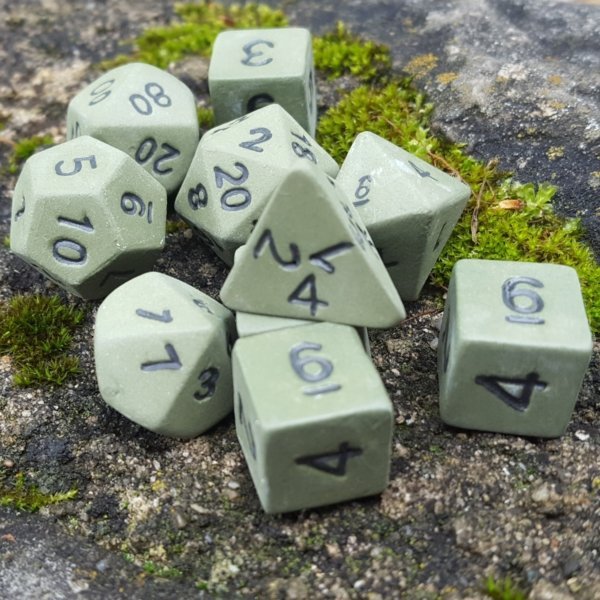
Forgotten Forest Ceramic Dice Set
Deep, mossy green hand-pigmented English porcelain with bold black numbering. A handmade ceramic dice set for druids, wood elves, and fey…
Coming Soon
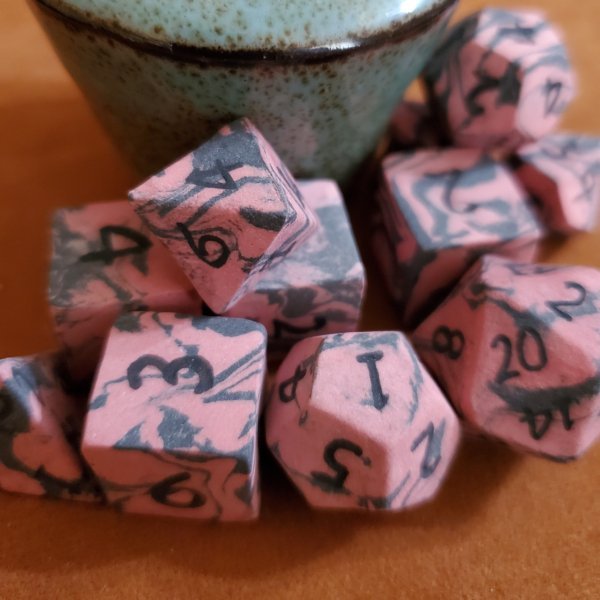
Volcanic Sands Dice Set
Hand-pigmented black and red English porcelain in a violent, fiery fusion with bold black numbering. A handmade ceramic dice set for fire…
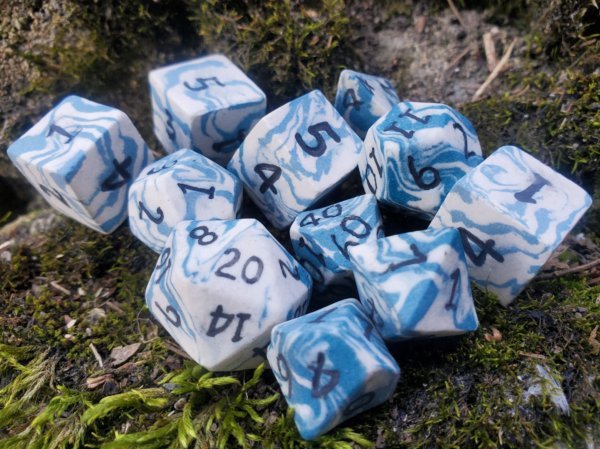
Stone Wash Giant Ceramic Dice Set
Hand-pigmented white and blue English porcelain in a glacial-stone fusion with bold black numbering. A handmade ceramic dice set for goli…
Choosing the Right Race for Your Class
Race and class pairings used to be a tyranny of math: pick the race that boosts your class’s main stat, or accept a permanent -1 to your attack rolls. Tasha’s Cauldron of Everything changed that by letting you reassign racial ability score increases to whatever stats you want. If your table allows Tasha’s optional rules (most do), the question shifts from “which race has +2 to my casting stat?” to “which race’s features actually make me better at my job?”
That said, fixed ASIs still matter at tables running by-the-book, and even with floating ASIs, the flavor of a built-in bonus often tells you who a race was designed for.
Here’s the rough stat priority by class:
- Barbarian, Fighter (Str), Paladin: Strength and Constitution
- Monk, Rogue, Ranger, Fighter (Dex): Dexterity and Wisdom or Con
- Wizard, Artificer: Intelligence and Constitution
- Cleric, Druid: Wisdom and Constitution
- Bard, Sorcerer, Warlock, Paladin: Charisma and Constitution
Beyond stats, look for features that compound with class mechanics. A High Elf Wizard gets a free cantrip from your spell list, expanding your already deep toolkit. An Aasimar Cleric gets radiant damage and flight that scale with your divine theme. A Tiefling Warlock doubles down on infernal flavor while gaining innate spells that don’t burn slots. Genasi Sorcerers get elemental spells matching their bloodline aesthetic, and Firbolg Rangers lean hard into wilderness stealth with Hidden Step.
Some combos are mechanically excellent and narratively obvious: Half-Elf Paladins get Charisma plus two flexible bonuses, perfect for an aura-focused frontliner. Aasimar Paladins are practically a class archetype unto themselves. For tinkerers, the best Artificer races tend to favor Intelligence buffs or utility features.
One last thing: don’t optimize yourself into a character you don’t want to play. A +1 to your spell save DC is worth less than caring about your character. Goliath Wizards and Halfling Barbarians work fine — Tasha’s exists precisely so you can chase the concept first and back-fill the math. The “right” race is the one whose features you’ll actually use and whose story you’ll actually tell.
Player’s Handbook Races (Standard)
The core nine races aren’t outdated — they’re the baseline every optimizer measures against. Here’s what each actually brings to the table.
Human (Variant) remains the strongest “default” choice in the game. A feat at level 1, +1 to two stats, and a skill makes Variant Human the go-to for any feat-hungry build: Great Weapon Master Fighters, Crossbow Expert Rangers, Lucky anyone. Standard Human (+1 to all stats) is fine for stat-stacking MAD classes like Paladins.
Elves split into three flavors that genuinely play differently:
- High Elf — +1 Int and a wizard cantrip make this the iconic Wizard, but it’s also a sneaky pick for any Dex class wanting Booming Blade.
- Wood Elf — +1 Wis, 35 ft. speed, and Mask of the Wild. Best-in-class Ranger, Druid, and Monk chassis.
- Drow — +1 Cha, Faerie Fire at level 3. Sunlight Sensitivity hurts, but a Drow Warlock or Sorcerer in an underground campaign is brutal.
Dwarves are tanks. Hill Dwarf’s +1 Wis and bonus HP make a fantastic Cleric, while Mountain Dwarf’s +2 Str/+2 Con with armor proficiency is one of the best Fighter and Paladin frames in the PHB. That said, a Gnome Cleric’s mental save advantage often outperforms the dwarf build against the spells that actually matter.
Halflings reroll natural 1s — Lucky is just good. Lightfoot suits Rogues and Bards; Stout adds poison resistance for frontliners.
Gnomes are underrated. Advantage on Int/Wis/Cha saves against magic is the single best racial defense in the PHB. Rock Gnome Artificers are thematically perfect, and Forest Gnome Rogues outclass Halflings for trickster builds.
Half-Elves are the Charisma class kings. +2 Cha, +1 to two others, Fey Ancestry, and two skills makes them flexible enough for nearly anything: Cleric, Paladin, Sorcerer, Bard, or Warlock.
Half-Orcs bring Savage Attacks (extra crit damage die) and Relentless Endurance (drop to 1 HP once per long rest). Barbarians and crit-fishing Champion Fighters love them.
Dragonborn got a power bump in newer printings — a breath weapon scaling with proficiency and damage resistance. Sorcerers and Paladins benefit most.
Tieflings close out the PHB as the Charisma-caster darlings. Infernal heritage, Darkvision, fire resistance, and innate spellcasting make them the quintessential Warlock — see our full synergy breakdown. Mord
Expanded Races (Volo’s & Mordenkainen’s)
Once Volo’s Guide to Monsters and Mordenkainen’s Tome of Foes dropped, the race roster exploded — and so did the optimization possibilities. These books opened up everything from bird people who can actually fly at level 1 to turtle people who literally don’t need armor. If the PHB races feel too vanilla, this is where you start digging.
The Standouts:
- Goliath — Stone’s Endurance is a free damage-reduction reaction every short rest. Pair Powerful Build with a Barbarian or Fighter and you become a logistics nightmare for the DM.
- Tabaxi — Feline Agility doubles your speed once per turn until you stop. Rogues and Monks love it, but the real magic is on a Tabaxi Wizard who needs to reposition without burning Misty Step.
- Tortle — Base AC 17, no armor required. This is the single most efficient race for any Dex-dump class. A Tortle Monk or Tortle Bard frees up ASIs you’d otherwise dump into survival.
- Aarakocra — 50 ft. fly speed at level 1. Half the DMs ban it. The other half let you trivialize encounter design. Choose wisely.
- Yuan-Ti Pureblood — Magic Resistance and poison immunity. Arguably the strongest defensive race in the game.
The Monstrous Races (Volo’s & MToF) reward tactical play more than raw stat lines:
- Hobgoblin — Saving Face is one of the best racial features ever printed. A Hobgoblin Ranger turns a missed attack into a hit; a Hobgoblin Sorcerer can salvage a failed save on a key spell. Lean into party synergy with the tactical advantage builds.
- Bugbear — Long-Limbed (+5 ft. reach on your first attack) plus Surprise Attack damage makes them devastating Rogues and Paladins.
- Kobold — Pack Tactics is broken in your favor. Sunlight Sensitivity is the cost. A Kobold Paladin with Pack Tactics + Smite is filthy.
- Goblin — Fury of the Small + Nimble Escape = the best low-level Rogue chassis in the game.
- Orc (MToF version) — Aggressive bonus action movement is criminally underrated for melee builds.
Don’t sleep on the flavor-forward picks either. Kenku trade Wisdom for skill versatility and are surprisingly potent rangers (see this guide). Tritons bring innate spellcasting and cold resistance — a Triton Wizard picks up free utility spells the class doesn’t usually get. Firbol
Exotic & Setting-Specific Races
Beyond the standard PHB lineup lies a wilder roster of races tied to specific settings — Eberron’s constructs, Ravnica’s guild experiments, Theros’s mythic beasts, and the planar-touched descendants of celestials and elementals. These aren’t just flavor picks; many of them are genuinely powerful, and some have quietly become optimizer darlings.
Warforged (Eberron) are the gold standard for exotic races. +1 AC, resistance to poison, advantage on poison saves, no need to eat, drink, or sleep, and a flexible +2/+1 ability spread. They’re mechanically excellent on nearly any frontline class, but they shine brightest as gish builds — the Warforged Artificer is practically the poster child for the class, and a Warforged Warlock using Hexblade gets disgusting AC stacking with medium armor and a shield.
Aasimar (especially the Volo’s version) are arguably the strongest Cleric race in the game. Healing Hands is a free pool of out-of-combat healing, and at level 3 your subrace transformation adds radiant damage, flight (Protector), or necrotic damage (Fallen). Pair Protector Aasimar with Light or Life domain and you’ve got a flying nuke-cleric by level 5. Dig deeper in our Aasimar Cleric subrace breakdown or the more advanced strategic synergies guide.
Genasi (Air, Earth, Fire, Water) bring elemental flavor and a free innate spell each. Water Genasi Clerics are a personal favorite — swim speed, Create/Destroy Water as a ribbon, and acid resistance synergize beautifully with Tempest or Nature domains. See our Genasi Cleric guide for the full breakdown.
Gem Dragonborn (Fizban’s) finally fixed the original Dragonborn problem. Psychic breath weapon, damage resistance, and — critically — a short flight at level 5. They’re now competitive with anything in the PHB. Compare options in our Silver Dragonborn Wizard, Dragonborn Barbarian, and Blue Dragonborn Monk builds.
The Ravnica and Theros races deserve a mention too:
- Centaur — 40-foot speed, Large-ish size for Charger and grapple shenanigans, hooves for an unarmed bonus.
- Minotaur — Built-in horn attack that scales, Goring Rush, and a Cha-flavored charge. Brutal on a Paladin or Barbarian.
- Loxodon — Natural armor (12+Con+Dex bonus), trunk grappling, and a serene mind for save-heavy builds.
- Simic Hybrid — Customizable mutations: climb speed, swim speed, retractable claws, or grappling appendages. A toolbox race.
DM check first. Many tables restrict setting-specific races to their home setting, so always clear Warforged or Simic Hybrids before showing up with a character sheet.
Best Race + Class Combinations
Race and class aren’t quite a marriage, but the right pairing turns a solid character into a terrifying one. Below are the combos optimizers reach for again and again — and why they actually work past level 1.
Variant Human Fighter remains the gold standard for melee builds. A free feat at level 1 means Great Weapon Master or Polearm Master online before most parties finish session zero. Fighters get more feats than anyone, and front-loading one means your damage curve starts steep and stays steep.
Half-Elf Paladin is the poster child for race-class synergy. Charisma boost from the race feeds both your spellcasting and your Aura of Protection, while two extra ability bumps cover Strength or Constitution. Add Fey Ancestry (charm immunity) and Darkvision, and you’ve got a paladin with no real weaknesses. For a deeper dive on the math, see why the stat spread wins.
Variant Human Sharpshooter Ranger (or Fighter) is the ranged equivalent of GWM Fighter. Sharpshooter at level 1 plus Hunter’s Mark or Archery Fighting Style produces obscene damage from round one. Hit-rate problems? That’s what Advantage hunting is for.
A few more pairings worth your character sheet:
- Aasimar Paladin — Radiant Soul/Radiant Consumption stacks with Divine Smite for absurd burst rounds. Thematic and mechanical. More on the design synergy here.
- Tiefling Paladin — Asmodeus or Glasya subraces add free spellcasting and Charisma, plus fire resistance for high-tier play.
- Goliath Paladin — Stone’s Endurance is a panic button, and Powerful Build solves grapple problems forever.
- Firbolg Ranger — Hidden Step + Detect Magic + Wisdom boost is a scout’s dream.
- Half-Elf Sorcerer — same Charisma logic as the Paladin, but with metamagic instead of smites.
- Artificer — Hobgoblin (Fey’wild), Rock Gnome, and Forest Gnome all bring Intelligence and flavor support.
A note for new players: none of these combos are required. A Goliath Wizard or Halfling Barbarian will absolutely function — you’ll just trade two points of optimization for a more memorable character. That’s often the better deal at most tables.
Pick the combo that excites you. If it also happens to be on this list, even better.
Frequently Asked Questions
What is the best race in D&D 5e?
There’s no single best race—it depends on your class and campaign. For raw power, Variant Human and Custom Lineage are top-tier because they grant a feat at level 1. For specific builds, Mountain Dwarf excels at heavy-armor martials, Yuan-ti Pureblood dominates social/caster roles with magic resistance, and Hexblood (Van Richten’s) offers exceptional utility. If your DM uses Tasha’s floating ASIs, race becomes more about flavor and racial features than stat bonuses.
Should I use Tasha’s optional ASIs?
Yes, in most cases. Tasha’s “Customizing Your Origin” rules let you move racial ability score increases to any stats, freeing you to play unconventional combos like a Strength-based Halfling Barbarian or Intelligence-based Orc Wizard without mechanical penalty. It’s the default in newer books and Adventurers League play. Traditionalists may prefer fixed ASIs for setting consistency, but optimizers and roleplay-focused players both benefit. Always confirm with your DM before session zero.
What is the strongest race+class combo?
Top contenders include: Variant Human Polearm Master Fighter (free feat at level 1 enables the entire build), Custom Lineage Sorcerer/Warlock with Eldritch Adept or Fey Touched, Mountain Dwarf Hexblade (Strength + Constitution + medium armor), and Yuan-ti Pureblood Divine Soul Sorcerer (magic resistance + poison immunity). Hexblood Bard and Fairy Wizard are also exceptional. The strongest combos either grant early feats, stack defensive resistances, or align innate spellcasting with class features.
Can any race play any class effectively?
With Tasha’s floating ASIs, absolutely yes. Without them, you’ll face a roughly 5-10% effectiveness penalty for the first 8 levels until you can patch your primary stat with an ASI. A Strength-based Gnome Paladin or Charisma-based Goliath Sorcerer is fully viable—just slightly behind the curve early. Racial features often matter more long-term than the +2/+1 bonuses. Pick the race that excites you; mechanics rarely make a build unplayable.
What is the difference between Variant Human and Custom Lineage?
Variant Human (PHB) gives +1 to two stats, a skill proficiency, and a feat. Custom Lineage (Tasha’s) gives +2 to one stat, a feat, darkvision or a skill, and lets you choose Small or Medium size plus your creature type. Custom Lineage is generally stronger for single-attribute classes (Wizards, Sorcerers) because the +2 concentrates where you need it, while Variant Human suits MAD classes like Paladins and Monks that benefit from split bonuses.
Are exotic races allowed in most campaigns?
It varies wildly by table. Standard PHB races (humans, elves, dwarves, halflings, gnomes, half-elves, half-orcs, tieflings, dragonborn) are universally accepted. Monstrous or exotic races—Centaurs, Minotaurs, Aarakocra, Loxodon, Satyrs, Kobolds—depend on setting and DM preference. Forgotten Realms allows most published races; Eberron and Ravnica include their own. Always ask in session zero. Some DMs ban flying races (Aarakocra, Fairy) below certain levels due to encounter design challenges. When in doubt, present two backup options.
Browse All Content
Our complete library:
- Mastering the Tiefling Paladin: A Beginner's Guide
- Ultimate Female Half-Elf Warlock: Beginner's Guide
- Mastering the Kenku Ranger: Tips and Tricks for Beginners
- Mastering the Triton Wizard: A Beginner's Guide to DND Magic
- Mastering Goliath Barbarian in D&D 5e: A Guide
- Mastering Warforged Artificer in D&D 5e: A Guide
- Unleashing Arcane Power: A Silver Dragonborn Wizard's Guide
- Mastering the Female Half-Orc Cleric: A Beginner's Guide
- Unleashing the Orc Fighter: A 5e Guide for All Ages
- How to Build a Tortle Monk in D&D 5e
- How to Build a Githzerai Cleric
- How to Build a Kobold Paladin
- How to Build a Tortle Bard
- How to Build a Dragonborn Barbarian
- How to Build a Gnome Barbarian
- How to Build a Blue Dragonborn Monk
- How to Build a Genasi Cleric
- How to Build a High Elf Artificer
- How to Build an Elf Cleric
- How to Build an Orc Fighter (Alternate Build)
- How to Build a Warforged Warlock
- How to Build a High Elf Wizard
- How to Build a Tabaxi Wizard
- How to Build a Gnome Rogue
- How to Build a Tiefling Warlock
- How to Build an Aasimar Monk
- How to Build a Kobold Rogue
- How to Build a Gnome Fighter in D&D 5e
- How to Build a Water Genasi Cleric
- How to Build a Gold Dragonborn Cleric
- How to Build a Tabaxi Monk in D&D 5e
- How to Build a Dragonborn Barbarian (Detailed Build)
- How to Build a Gnome Cleric in D&D 5e
- How to Build a Half-Orc Barbarian
- How to Build a Tabaxi Rogue
- How to Build a Halfling Bard
- How to Build a Gnome Rogue (Detailed Guide)
- How to Build a Tortle Wizard
- How to Build a Halfling Fighter
- How to Build a Green Dragonborn Bard
- How to Build a Goblin Ranger in D&D 5e
- How to Build a Lightfoot Halfling Rogue
- How to Build a Triton Warlock in D&D 5e
- How to Build a Goliath Paladin in D&D 5e
- How to Build a Gnome Wizard in D&D 5e
- How to Build an Elf Bard in D&D 5e
- How to Build a Protector Aasimar Cleric
- How to Build a Red Dragonborn Fighter in D&D 5e
- How to Build a Goliath Barbarian in D&D 5e
- How to Build a Tortle Cleric in D&D 5e
- How to Build a Centaur Wizard in D&D 5e
- How to Build an Air Genasi Sorcerer in D&D 5e
- How to Build a Changeling Rogue in D&D 5e
- How to Build a Drow Sorcerer in D&D 5e
- How to Build a Goliath Monk in D&D 5e
- How to Build a Half-Elf Cleric in D&D 5e
- How to Build a Half-Elf Wizard in D&D 5e
- How to Build an Earth Genasi Fighter in D&D 5e
- How to Build a Tiefling Sorcerer in D&D 5e
- How to Build a Winged Tiefling Warlock in D&D 5e
- How to Build a Rock Gnome Wizard in D&D 5e
- How to Build an Aasimar Sorcerer in D&D 5e
- How to Build a Yuan-Ti Pureblood Bard
- How to Build a Gold Dragonborn Barbarian in D&D 5e
- Gnome Cleric: Building Beyond Wisdom Penalties
- How to Build an Earth Genasi Monk in D&D 5e
- How to Build an Earth Genasi Wizard in D&D 5e
- How to Build a Black Dragonborn Barbarian
- How to Build a Kobold Monk in D&D 5e
- How to Build a Half-Orc Ranger in D&D 5e
- How to Build a Warforged Barbarian in D&D 5e
- How to Build an Orc Fighter in D&D 5e
- How to Build a Warforged Artificer Battle Smith
- How to Build a Goblin Fighter in D&D 5e
- How to Build a Drow Wizard in D&D 5e
- Goliath Monk: Trading Fragility For Durable Strikes
- Gnome Wizard: Why This Build Dominates Combat
- How to Build a Drow Bard in D&D 5e
- How to Build a Half-Orc Sorcerer in D&D 5e
- How to Build a White Dragonborn Cleric in D&D 5e
- How to Build a Tiefling Paladin in D&D 5e
- How to Build a Green Dragonborn Wizard in D&D 5e
- How to Build a White Dragonborn Paladin
- Goliath Paladin: Strength and Stone's Endurance
- How to Build a Halfling Monk in D&D 5e
- How to Build a Gnome Barbarian in D&D 5e
- How to Build a Dragonborn Barbarian in D&D 5e
- How to Build a Goblin Monk in D&D 5e
- How to Build a Silver Dragonborn Paladin in D&D 5e
- How to Build an Aasimar Artificer in D&D 5e
- How to Build a Tiefling Warlock in D&D 5e
- How to Build a Green Dragonborn Cleric in D&D 5e
- How to Build an Aasimar Ranger in D&D 5e
- How to Build a Rock Gnome Rogue in D&D 5e
- How to Build a Half-Elf Sorcerer in D&D 5e
- Orc Fighter: Raw Strength Without Complex Optimization
- How to Build a Firbolg Twilight Cleric in D&D 5e
- How to Build a Half-Drow Sorcerer in D&D 5e
- Tiefling Sorcerer: Charisma Synergy and Racial Spells
- How to Build a Water Genasi Rogue in D&D 5e
- How to Build a Deep Gnome Wizard in D&D 5e
- How to Build a Silver Dragonborn Fighter in D&D 5e
- How to Build a Firbolg Rogue in D&D 5e
- How to Build a Lizardfolk Cleric in D&D 5e
- Tiefling Warlock: Race and Class Synergy Explained
- How to Build a Gem Dragonborn Barbarian
- How to Build a Hobgoblin Ranger in D&D 5e
- How to Build a Goblin Wizard in D&D 5e
- How to Build a Warforged Artificer Armorer
- How to Build a Tabaxi Artificer in D&D 5e
- Changeling Rogue: Mastering Deception And Infiltration
- Half-Orc Ranger: Melee Combat Over Archery
- How to Build a Protector Aasimar Cleric in D&D 5e
- Half-Orc Sorcerer: Building Beyond The Stat Mismatch
- How to Build an Orc Cleric in D&D 5e
- The Gnome Wizard's Mechanical Advantage in D&D 5e
- How to Build a Tiefling Wizard in D&D 5e
- How to Play a Kobold Rogue in D&D 5e
- How to Build a Silver Dragonborn Cleric
- Half-Elf Wizards Beyond Optimization: Charisma Matters
- Goliath Paladin: Stone's Endurance Survival Guide
- How to Build a Centaur Paladin in D&D 5e
- How to Build a Centaur Barbarian in D&D 5e
- How to Build a Warforged Paladin in D&D 5e
- How to Build an Aasimar Barbarian in D&D 5e
- How to Play an Elf Wizard in D&D 5e
- How to Build a Half-Elf Draconic Sorcerer in D&D 5e
- How to Build a Half-Orc Fighter in D&D 5e
- Firbolg Rogue: Why Giant Infiltrators Outperform Expectations
- How to Build an Elf Cleric in D&D 5e
- How to Build a Centaur Bard in D&D 5e
- Tiefling Sorcerer Synergies: Mechanics and Roleplay
- How to Build a Green Dragonborn Wizard
- How to Build an Air Genasi Monk in D&D 5e
- How to Build a Female Dragonborn Cleric in D&D 5e
- How to Build an Orc Paladin in D&D 5e
- How to Build a Fire Genasi Cleric in D&D 5e
- How to Build a Blue Dragonborn Bard in D&D 5e
- How to Build a Gem Dragonborn Paladin in D&D 5e
- How to Build an Aasimar Cleric in D&D 5e
- How to Build a Firbolg Sorcerer in D&D 5e
- Orc Fighter Synergy: Why This Combo Works
- How to Build a Fallen Aasimar Cleric in D&D 5e
- Why Gnome Wizards Actually Work in D&D 5e
- How to Build a Tortle Wizard in D&D 5e
- How to Build an Orc Wizard in D&D 5e
- How to Build a Genasi Sorcerer in D&D 5e
- How to Build a Goblin Paladin in D&D 5e
- How to Build a Lizardfolk Monk in D&D 5e
- How to Build an Aasimar Wizard in D&D 5e
- How to Build a Gnome Rogue in D&D 5e
- How to Build a Githzerai Sorcerer in D&D 5e
- How to Build a Rock Gnome Cleric in D&D 5e
- How to Build an Aasimar Paladin in D&D 5e
- Centaur Paladin Mechanics and Mounted Combat Tactics
- How to Build a Warforged Armorer Artificer
- How to Build a Kenku Rogue in D&D 5e
- How to Build a Zariel Tiefling Paladin in D&D 5e
- How to Build a Centaur Monk in D&D 5e
- Goliath Barbarian: Stacking Damage Resistance
- How to Build a Yuan-Ti Paladin in D&D 5e
- How to Build a Bugbear Fighter in D&D 5e
- How to Play a Tabaxi Wizard in D&D 5e
- How to Build a Tiefling Bard in D&D 5e
- How to Build a Halfling Fighter in D&D 5e
- How to Build a Yuan-Ti Sorcerer in D&D 5e
- How to Build a Githzerai Cleric in D&D 5e
- How to Build a Tortle Warlock in D&D 5e
- How to Build a Triton Barbarian in D&D 5e
- Warforged Barbarian Tank: Durability Through Synergy
- How to Build a Water Genasi Cleric in D&D 5e
- How to Build a Kenku Barbarian in D&D 5e
- Tiefling Paladin: Charisma Over Strength
- Halfling Monk: Small Size, Tactical Edge
- How to Build an Air Genasi Wizard in D&D 5e
- How to Build a Goliath Fighter in D&D 5e
- How to Build a Half-Orc Female Paladin in D&D 5e
- How to Build an Earth Genasi Bard in D&D 5e
- Rock Gnome Barbarian Build Guide for D&D 5e
- How to Build a Warforged Artificer in D&D 5e
- How to Build an Aarakocra Barbarian in D&D 5e
- Triton Barbarian: Underwater Fury and Coastal Combat
- Tiefling Warlock: Why Infernal Heritage Fits The Build
- Changeling Rogue: Beyond Disguises and Infiltration
- Githzerai Sorcerer: Working Around The Stat Problem
- How to Build a Yuan-Ti Cleric in D&D 5e
- Tortle Monk: Why Natural Armor Changes Everything
- How to Build a Triton Fighter in D&D 5e
- Half-Elf Sorcerer: Mechanics and Roleplay Synergy
- Orc Fighter: Tactical Power Beyond The Stereotype
- How to Build a Fire Genasi Bard in D&D 5e
- Half-Elf Cleric Racial Traits and Multiclass Potential
- How to Build a Dragonborn Cleric in D&D 5e
- How to Build a Silver Dragonborn Rogue
- Deep Gnome Wizard Survival Guide For Underground Adventures
- How to Build a Grung Monk in D&D 5e
- Orc Cleric: Playing Divine Fury on the Front Line
- How to Build a Copper Dragonborn Barbarian
- How to Build a Bronze Dragonborn Paladin in D&D 5e
- How to Build a Githyanki Cleric in D&D 5e
- How to Build a High Elf Wizard in D&D 5e
- Gnome Wizard: Why Intelligence Bonuses Win Early Game
- How to Build a Blue Dragonborn Bard
- Tiefling Warlock Synergies: Charisma and Fire Resistance
- Genasi Sorcerer Synergies: Race and Class Mechanics
- How to Build a Goliath Wizard in D&D 5e
- Gnome Rogue's Defensive Edge Against Magic
- How to Build a White Dragonborn Cleric
- How to Build a Yuan-Ti Fighter in D&D 5e
- How to Build a Male Half-Elf Warlock in D&D 5e
- How to Build a Blue Dragonborn Monk in D&D 5e
- Playing Aasimar Wizard: Survivability Over Optimization
- How to Build a Firbolg Monk in D&D 5e
- Fire Genasi Cleric: Elemental Fury Meets Divine Will
- Rock Gnome Wizards: Why Intelligence Beats Flashiness
- How to Build a Fire Genasi Monk in D&D 5e
- How to Build a Half-Elf Warlock in D&D 5e
- Kobold Monk: Tactical Advantages Over Sunlight Weakness
- Half-Elf Sorcerer: Why This Pairing Dominates
- How to Build a Yuan-Ti Pureblood Wizard
- How to Build a Rock Gnome Artificer in D&D 5e
- Aasimar Paladin Synergy: Divine Heritage Meets Oath
- How to Build a Drow Rogue in D&D 5e
- How to Build an Earth Genasi Cleric in D&D 5e
- Best Races for Rogues in D&D 5e
- Fallen Aasimar Cleric: Necrotic Power and Thematic Conflict
- Goliath Barbarian Tips: Reckless Power and Stone Endurance
- How to Build a Halfling Wizard in D&D 5e
- Elf Bard Synergies: Why This Race Works
- Githyanki Cleric: Bridging Warrior And Healer
- Air Genasi Wizard: Mobility Without Spell Slots
- How to Build a Gold Dragonborn Wizard in D&D 5e
- Goliath Barbarian Tank: Why This Race Dominates
- How to Build an Aasimar Fighter in D&D 5e
- Kenku Rogue: Beyond Dexterity Bonuses
- How to Build a Kenku Cleric in D&D 5e
- Deep Gnome Wizard Survival and Stealth Tactics
- How to Build a Blue Dragonborn Cleric in D&D 5e
- The Mechanical Case for Tiefling Bards
- How to Build a Black Dragonborn Warlock in D&D 5e
- How to Build a Drow Paladin in D&D 5e
- Goliath Fighter: Raw Power And Stone's Endurance
- How to Play a Hobgoblin Sorcerer in D&D 5e
- Female Goliath Monk: Stone's Endurance Meets Martial Arts
- Tiefling Warlock: Why Infernal Heritage Matters
- Fallen Aasimar Cleric: Mechanics and Racial Synergies
- How to Build a Triton Cleric in D&D 5e
- How to Build a Tortle Bard in D&D 5e
- How to Build a Rock Gnome Barbarian in D&D 5e
- How to Build a Warforged Sorcerer in D&D 5e
- Aasimar Cleric Synergy: Why This Combo Actually Works
- Aasimar Cleric: Why This Race Perfectly Fits The Class
- Aasimar Cleric: Why This Race Fits Perfectly
- Aasimar Cleric: Celestial Power and Divine Synergy
- The Aasimar Cleric's Divine Advantage in D&D
- Aasimar Cleric Subrace Synergy and Domain Choices
- Aasimar Cleric Subraces and Domain Synergies
- Aasimar Cleric Synergy: Race And Class In Perfect Harmony
- Celestial Power and Healing: The Aasimar Cleric Synergy
- Aasimar Cleric: Celestial Heritage Meets Divine Power
- Aasimar Cleric: Why Celestial Blood Suits New Players
- How to Build a Half-Elf Paladin in D&D 5e
- Half-Elf Paladin Stats: Why This Race Wins
- Half-Elf Paladin: Why This Race-Class Combo Wins
- Why Half-Elf Paladins Excel in D&D 5e
- Half-Elf Paladin: Why This Race Excels Mechanically
- Half-Elf Paladin: Why This Combo Dominates
- How to Build a Copper Dragonborn Paladin
- How To Use Copper Dragonborn Breath In Paladin Combat
- How to Build a Copper Dragonborn Paladin in D&D 5e
- Copper Dragonborn Paladin Charisma Synergy Guide
- Copper Dragonborn Paladin: Playing Unconventional Well
- Copper Dragonborn Paladin: Playing The Jester Knight
- Goliath Wizard: Standing Tough on the Frontline
- Goliath Wizard: Trading Spellpower for Survivability
- Goliath Wizard: Trading Fragility For Survivability
- Goliath Wizard: Why Survivability Beats The Squishy Stereotype
- Playing Against Type: The Goliath Wizard
- Goliath Wizard: Trading Frailty For Durability
- Goliath Wizard: Trading Optimization For Survivability
- Goliath Wizard: Trading Spell Power for Survivability
- Goliath Wizard: Building A Durable Spellcaster
- Goliath Wizard: Stone's Endurance For Survivability
- Goliath Wizard: Surviving the Frontline
- Goliath Wizard: Playing a Durable Frontline Caster
- Goliath Wizard: Survivability Over Spell Power
- Goliath Wizard: Building Durability Over Optimization
- Half-Elf Warlock: Why Stats And Skills Synergize
- Half-Elf Warlock: Why This Pairing Dominates D&D
- Half-Elf Warlock: Social Power and Eldritch Control
- Half-Elf Warlock: Charisma And Flexibility
- Half-Elf Warlock: Why This Race Solves Your Problems
- Warforged Artificer Synergy: Why This Combo Works
- Drow Rogue: Tactical Advantages and Sunlight Limitations
- Drow Rogue: Beyond The Sunlight Sensitivity Trap
- Drow Rogue: Why Dark Elves Excel Underground
- Drow Rogue Superiority: Leveraging Darkvision and Spells
- Drow Rogue: Synergies and Sunlight Drawbacks
- Drow Rogue Mechanics: Why This Pairing Works
- Firbolg Sorcerer: Trading Power For Versatility
- How to Play a Blue Dragonborn Monk in D&D 5e
- Blue Dragonborn Monk: Working Around Ability Score Gaps
- Blue Dragonborn Monks: Working Around Suboptimal Stats
- Centaur Monk: Navigating Size And Action Economy
- Centaur Monk Power: Leverage Speed And Hooves
- Centaur Monk: Building Around Strength Instead
- Centaur Monk: Navigating Size and Movement
- Centaur Monk: Mobility and Charge in Harmony
- Centaur Monk: Movement Speed Meets Bonus Action Economy
- Centaur Monk Movement and Positioning Mechanics
- Goliath Paladin: Why This Combo Actually Works
- Goliath Paladin: Built for Unstoppable Frontline Defense
- Goliath Paladin: Turning Defense Into Offense
- Goliath Paladin Durability: Building An Unkillable Tank
- Goliath Paladin: Racial Synergy And Stat Priority
- Goliath Paladin: Stone's Endurance Tank Build
- Goliath Paladin: Stone's Endurance and Divine Smite
- How to Build a Tortle Sorcerer in D&D 5e
- Tortle Sorcerer: Trading Optimization For Survivability
- Aasimar Paladin Synergies: Race And Class Alignment
- Aasimar Paladin Synergy: Why This Race Truly Fits
- Aasimar Paladin: Why This Pairing Actually Works
- Aasimar Paladin: Why Celestial Bloodlines Work
- Aasimar Paladin: Celestial Synergy and Combat Tactics
- Warforged Sorcerer: Building an Unkillable Mage
- Warforged Sorcerer: Surviving With Arcane Power
- Warforged Sorcerer: Trading Optimization For Versatility
- Warforged Sorcerer: Durable Spellcasting Through Construct Design
- How Sorcerer Backgrounds Shape Your Character's Magic
- How to Build an Aasimar Bard in D&D 5e
- Aasimar Bard Synergies: Divine Support Without Redundancy
- Aasimar Bard: Divine Power Meets Charisma
- Aasimar Bard: Celestial Support with Radiant Offense
- Aasimar Bard: Celestial Healing and Radiant Wings
- How to Play an Aasimar Bard in D&D 5e
- Aasimar Bard: Celestial Support and Combat Versatility
- How to Build a Fire Genasi Artificer
- How to Build a Fire Genasi Artificer in D&D 5e
- Fire Genasi Artificer Build Guide for D&D 5e
- Fire Genasi Artificer: Forging Power in Flames
- Fire Genasi Artificer: Balancing Chaos And Craft
- Fire Genasi Artificer: Infusions And Elemental Synergies
- How to Build a Tabaxi Ranger in D&D 5e
- Tabaxi Ranger: Mobile Scout Build Guide
- Tabaxi Ranger: Feline Agility Combat Tactics
- Tabaxi Ranger Mobility and Tactical Positioning
- Warforged Artificer: Maximum Durability and Utility
- Warforged Artificer: Mechanical Synergy Across All Tiers
- Warforged Artificer: Mechanical Synergy Guide
- Warforged Paladin Tank: Mechanical Advantages Explained
- Warforged Paladin: Why This Race Excels
- Warforged Paladin: Divine Purpose In Constructed Form
- Warforged Paladin: Mechanical Synergy and Roleplay Depth
- Warforged Paladin: Divine Resilience On The Frontline
- Warforged Paladin Survivability and Smite Power
- Warforged Paladin: Faith And Durability Combined
- How to Build a Fire Genasi Wizard in D&D 5e
- Fire Genasi Wizard: Synergy Beyond The Obvious
- Fire Genasi Wizards: Balancing Flame And Arcana
- Fire Genasi Wizard: Theme Over Optimization
- Fire Genasi Wizards: Evocation And Survivability
- How to Build a Firbolg Ranger in D&D 5e
- Firbolg Ranger: Race and Class Synergy Tips
- Firbolg Ranger: Why This Pairing Actually Works
- Firbolg Ranger: Stealth And Wilderness Mastery
- Firbolg Ranger: Why Racial Features Align With Class
- Goblin Paladin: Why Small Works in Melee
- Goblin Paladin: Building Beyond Optimization
- Goblin Paladin: Tactical Advantages Beyond The Mismatch
- Goblin Paladin: Turning Chaos Into Divine Tactics
- Goblin Paladin: Embracing Mechanical Awkwardness
- Goblin Paladin: Overcoming Mechanical Limits
- How to Build a Half-Drow Warlock in D&D 5e
- Half-Elf Warlock: Why Charisma Beats Every Other Race
- Half-Drow Warlock: Optimizing Synergy and Mechanics
- Half-Drow Warlock: Mechanics And Narrative Synergy
- How to Build a White Dragonborn Monk in D&D 5e
- White Dragonborn Monk: Breath Weapon Synergy
- White Dragonborn Monk: Working With Suboptimal Stats
- Drow Rogue: Mastering Underdark Stealth And Magic
- Drow Rogue Synergies: Why This Race Clicks
- Drow Rogue: Synergies Beyond The Stereotype
- How to Play a Drow Rogue in D&D 5e
- How To Play A Drow Rogue With Synergy
- Drow Rogue Strengths and Sunlight Sensitivity Trade-offs
- Drow Rogue: Dark Vision And Deadly Precision
- How to Build a Kenku Druid in D&D 5e
- Kenku Druid Synergies: Turning Limitations Into Strengths
- Kenku Druid: Working With Curse and Mimicry
- Kenku Druid: Navigating Speech and Wild Shape
- How to Play a Kenku Druid in D&D 5e
- How to Play a Kenku Druid Through Mimicry
- Kenku Druid: Overcoming Mimicry And Wild Shape
- Gnome Rogue: Why Intelligence Beats Dexterity
- Gnome Rogue Magic: Why Cunning Beats Halflings
- Gnome Rogue Mechanics: Why Intelligence Matters More
- Gnome Rogue Mechanics That Actually Matter At Your Table
- Gnome Rogue: Intelligence Over Instinct
- How to Build a Tiefling Fighter in D&D 5e
- Tiefling Fighter: Unconventional Tactics That Work
- Tiefling Fighter: Infernal Resistance Meets Martial Power
- Tiefling Fighter: Turning Charisma Into Strength
- Tiefling Fighter: Why Infernal Resistance Wins
- Tiefling Fighter: Infernal Resistance Meets Martial Prowess
- Tiefling Fighter: Fire Resistance Meets Martial Power
- How to Build a White Dragonborn Barbarian
- How To Leverage White Dragonborn Traits For Barbarians
- How to Weaponize Cold Breath on Your Dragonborn Barbarian
- How to Build a White Dragonborn Barbarian in D&D 5e
- How To Leverage White Dragonborn Traits For Barbarian Power
- White Dragonborn Barbarian: Frozen Fury Over Optimization
- Bugbear Fighter: Reach And Ambush Tactics
- How to Build an Artificer: Best Races and Multiclass Options
- How to Build a Warforged Fighter in D&D 5e
- How to Build an Aarakocra Wizard in D&D 5e
- Warforged Paladin: Durability And Divine Power Combined
- How to Build a Water Genasi Wizard in D&D 5e
- Lizardfolk Monk: Trading Mobility For Survivability
- How to Build a Githyanki Fighter in D&D 5e
- Lizardfolk Cleric: Cold-Blooded Healing
- How to Build an Earth Genasi Ranger in D&D 5e
- How to Build a Bugbear Barbarian
- How to Build a Bugbear Barbarian in D&D 5e
- Bugbear Barbarian: Sneaky Ambush Predator Build
- Bugbear Barbarian: Turn Ambusher Into Bruiser
- Bugbear Barbarian: Reach, Surprise, and Tactical Control
- How to Build a Grung Barbarian in D&D 5e
- Grung Barbarian Poison Damage and Party Logistics
- Grung Barbarian: Tactical Skirmisher In Verticality
- Grung Barbarian: Why Poison And Rage Actually Synergize
- Grung Barbarian: Surviving The Poison Glass Cannon
- The Grung Barbarian's Poison-Fueled Skirmisher
- How to Build a Genasi Cleric in D&D 5e
- Elemental Power Meets Divine Magic: Genasi Cleric Races
- Elemental Genasi Clerics: Matching Subrace To Domain
- High Elf Wizard: Why This Race Excels
- High Elf Wizard: Why This Pairing Wins
- High Elf Wizard: Why This Race-Class Synergy Works
- High Elf Wizard: Why This Combo Actually Works
- High Elf Wizard: Why This Race Class Synergy Wins
- High Elf Wizard: Why Synergy Matters Most
- High Elf Wizard: Why Racial Traits Trump Other Builds
- How to Build a Dragonborn Druid in D&D 5e
- How to Build a Green Dragonborn Druid in D&D 5e
- Green Dragonborn Druid: Trading Stats For Breath Weapon Power
- How to Build a Green Dragonborn Druid
- Green Dragonborn Druid: Working With Awkward Stats
- Green Dragonborn Druid: Playing Poison as Your Strength
- Green Dragonborn Druid: Concept Over Optimization
- Half-Elf Wizard: Why Versatility Beats Raw Stats
- Half-Elf Wizards As Flexible Party Generalists
- Half-Elf Wizard: Why This Race Excels at Spellcasting
- Half-Elf Wizard: The Social Spellcaster Build
- Half-Elf Wizards: The Social Spellcaster Build
- Half-Elf Wizard: Flexibility Without Compromise
- Female Half-Elf Wizard: The Social Spellcaster
- Half-Elf Cleric: Why This Race Dominates Healing
- Half-Elf Clerics: Social Versatility Over Pure Optimization
- Half-Elf Cleric: Why Charisma Actually Matters
- Half-Elf Cleric: Why Mechanics Meet Character
- Half-Elf Cleric: Why This Race Excels
- Kenku Barbarian: Building Beyond Strength
- Kenku Barbarian: Tactical Fury Over Raw Strength
- Kenku Barbarian: Making Mimicry Work In Combat
- How to Build a Tiefling Rogue in D&D 5e
- Goliath Monk: Reconciling Strength With Discipline
- How to Build a Red Dragonborn Sorcerer for Combat
- How to Build a Dragonborn Monk in D&D 5e
- How to Build a Grung Rogue in D&D 5e
- How to Build a Water Genasi Monk in D&D 5e
- How to Build a Kobold Rogue in D&D 5e
- How to Build a Bronze Dragonborn Cleric
- How to Build an Elf Wizard in D&D 5e
- Elf Wizard: Why This Race-Class Combo Works
- Elf Wizard Subraces: Tactical Advantages Explained
- Elf Wizard Subrace Mechanics and Survivability
- Green Dragonborn Cleric Domain Strategy Guide
- Green Dragonborn Cleric: Breath Weapon Tactics
- Green Dragonborn Cleric: Mechanic Tensions
- Green Dragonborn Cleric: Poison Armor And Support
- Tiefling Bard: Infernal Charisma and Thematic Synergy
- Tiefling Bard: Charisma And Infernal Magic Combined
- Tiefling Bard: Why Charisma And Infernal Heritage Synergize
- Tiefling Bard: Infernal Charisma and Racial Spells
- How to Build a Water Genasi Ranger
- Gnome Fighter Tactics: Unconventional Battlefield Advantages
- Gnome Fighter Tactics: Playing Small and Smart
- Firbolg Twilight Cleric's Hidden Synergies Revealed
- Firbolg Twilight Cleric Synergies and Quest Tactics
- Firbolg Twilight Cleric's Synergy in Combat
- How to Build a Triton Cleric Villain
- How to Build a Triton Cleric Villain for Your D&D Campaign
- Rock Gnome Wizard: Optimal Traits And Synergies
- Rock Gnome Wizard: Why Intelligence and Cunning Win
- How to Play a Githyanki Sorcerer in Combat
- How to Build a Githyanki Sorcerer in D&D 5e
- How to Build a Githyanki Sorcerer for Combat
- How to Leverage Githyanki Traits for Sorcerer Combat
- How to Build a Tiefling Shadow Sorcerer
- How to Build a Tiefling Shadow Sorcerer in D&D 5e
- Tiefling Shadow Sorcerer: Thematic Synergy And Mechanics
- How to Play a Tiefling Shadow Sorcerer in D&D 5e
- Female Dragonborn Cleric: Mechanics and Domain Synergies
- Female Dragonborn Cleric: Mechanics That Synergize
- Female Dragonborn Cleric: Mechanics and Theme
- How to Build a Half-Orc Cleric in D&D 5e
- How to Build a Female Half-Orc Cleric in D&D 5e
- How to Play a Half-Orc Cleric in D&D 5e
- Gnome Barbarian: Turning Weakness Into Fury
- Gnome Barbarian: Turning Weakness Into Cunning
- Gnome Barbarian: Embracing Chaotic Inefficiency
- Gnome Barbarian: Defying Expectations In Combat
- Best Races for Artificer in D&D 5e
- Best Races For Artificers: Intelligence Matters Most
- Best Races For Artificers: Intelligence Driven
- Best Races for Artificer: Intelligence Matters Most
- How to Build an Artificer Elf in D&D 5e
- How to Build an Elf Artificer in D&D 5e
- Elf Artificer Builds: Why High Elf Wins
- Elf Artificer: Ancient Magic Meets Arcane Engineering
- How to Build a Tabaxi Monk for Maximum Speed
- How To Stack Feline Agility With Monk Speed
- How to Stack Speed Bonuses on Your Tabaxi Monk
- Goblin Ranger Build: Nature's Ambush Master
- Goblin Ranger Tactics: Mastering Nimble Escape
- Goblin Ranger Tactics: Why Small Size Wins
- Goblin Ranger Tactics: Mastering Hit-And-Run Combat
- Tabaxi Ranger Party Synergies and Scout Tactics
- How To Master Yuan-Ti Pureblood Bard Defenses
- How to Play a Yuan-Ti Pureblood Bard in D&D 5e
- How to Play a Yuan-Ti Pureblood Bard
- How to Build a Yuan-Ti Pureblood Bard in D&D 5e
- How to Run a Halfling Monk as a DM
- Goliath Paladin: Merging Divine Faith With Physical Dominance
- Building a Goliath Paladin: Lore Integration for Campaign Play
- Goliath Paladin Mechanics: Stone's Endurance Tanking
- How to Build a Goliath Paladin: Lore and Mechanics
- How to Build a Yuan-Ti Pureblood Monk
- How to Build a Yuan-Ti Pureblood Monk in D&D 5e
- How Setting Impacts Your Yuan-Ti Pureblood Monk
- How to Optimize Yuan-Ti Monks in Combat
- How to Play a Barbarian Tortle in Social and Exploration Encounters
- How to Play a Half-Elf Warlock in D&D Modules
- How to Play a Half-Elf Warlock in D&D 5e
- Half-Elf Warlock: Why This Combination Works
- Centaur Barbarian Charge: Tactical Advantage Guide
- Centaur Barbarian: Charge, Mobility, And Carrying Power
- Building a Centaur Barbarian: Race and Class Guide for D&D 5e
- Gnome Cleric's Edge Against Magic in 5e
- Gnome Cleric: The Underrated Support Powerhouse
- Gnome Cleric: Why Mental Saves Trump Dwarf Builds
- How to Play a Rock Gnome Wizard with a Tragic Backstory
- Rock Gnome Wizard: The Synergistic Scholar
- How to Play a Rock Gnome Wizard in D&D 5e
- Elf Artificer: Bridging Ancient Magic and Artifice
- Elf Artificer: Leveraging Racial Synergies
- Elf Artificer: Weapon Synergy And Arcane Crafting
- Building an Elf Artificer Around Prophecy and Destiny
- How to Build a Barbarian Dragonborn Character
- Building Dragonborn Cities and Settlements in D&D 5e
- How to Build a Dragonborn City in D&D
- Building a Dragonborn Barbarian: Character Guide
- Building a Wood Elf Monk Around Powerful Artifacts
- How to Build a Wood Elf Monk in D&D 5e
- Wood Elf Monk: Mobile Strikers For Tactical Campaigns
- Wood Elf Monk Synergies: Why This Pairing Excels
- Goliath Wizard: Surviving Without Intelligence Bonuses
- The Dark Goliath Wizard: Brute Force Meets Arcane Magic
- How to Build a Goliath Wizard for Dark Campaign Settings
- How to Build a Male Drow Bard in D&D 5e
- Drow Bard: Playing The Underdark's Master Manipulator
- Male Drow Bard: Narrative Depth and Battlefield Support
- Male Drow Bard: Rebellion Against Weakness
- Yuan-ti Pureblood Race Guide for D&D 5e
- Yuan-Ti Pureblood Warlock Build Guide
- How to Build a Yuan-Ti Pureblood Warlock
- How to Build an Air Genasi Cleric in D&D 5e
- Building an Air Genasi Cleric: Lore and Campaign Integration
- Air Genasi Cleric: Lore, Mechanics, Domain Picks
- How to Play an Air Genasi Cleric in D&D 5e
- How to Build an Artificer Warforged in D&D 5e
- How to Build a Warforged Artificer for Dungeon Crawling
- How to Play a Warforged Artificer in Dungeon Crawls
- Best D&D Settings for a Blue Dragonborn Rogue
- How to Build a Blue Dragonborn Rogue in D&D 5e
- Blue Dragonborn Rogue: Embracing The Tactical Contradiction
- How to Play a Blue Dragonborn Rogue in D&D 5e
- Aasimar Cleric: Healing Hands and Divine Power
- Aasimar Cleric Magic: Radiant Damage and Healing
- Aasimar Cleric: Mechanics and Narrative Synergy
- Aasimar Cleric Spellcasting and Synergies
- Kenku Clerics: Divine Power Through Creative Mimicry
- How to Play a Kenku Cleric in D&D 5e
- How to Play a Kenku Cleric on Adventures
- Kenku Cleric: Playing Divine Faith Through Mimicry
- Playing a Kobold Fighter: Morality and Ethical Choices in D&D
- Playing a Kobold Fighter: Navigating Moral Dilemmas in D&D
- How to Play a Kobold Fighter in D&D 5e
- How to Play a Kobold Fighter With Moral Depth
- Building an Orc Ranger in D&D 5e
- How to Build an Orc Ranger in D&D 5e
- How to Build a Half-Orc Fighter for Exploration and Travel
- How to Play a Half-Orc Fighter for Travel and Exploration
- Half-Orc Fighter: Raw Power, Simple Execution
- How to Build a Half-Orc Fighter for D&D 5e
- How to Build an Aasimar Divine Soul Sorcerer
- How to Maximize Aasimar Divine Soul Synergy
- How to Build an Aasimar Divine Soul Sorcerer in D&D 5e
- How to Blend Healing and Damage as Divine Soul
- Goliath Wizard: Trading Strength For Arcane Power
- Goliath Wizard: Surviving Without Intelligence
- Goliath Wizard: Building Resilient Spellcasters
- How to Roleplay a Firbolg Barbarian Beyond Combat
- How to Run Non-Combat Encounters for Firbolg Barbarians
- How to Run Non-Combat Encounters for a Firbolg Barbarian
- Playing a Firbolg Barbarian Outside Combat
- Tiefling Paladin Subraces: Mechanical Advantages
- Tortle Cleric: Building Durability Over Optimization
- Tortle Cleric: Natural Armor Meets Divine Magic
- Tortle Cleric: Heavy Armor Without The Cost
- How to Play a Tortle Cleric in D&D 5e
- How to Play a Half-Elf Warlock in Wilderness Campaigns
- Tiefling Bard: Infernal Charm Meets Arcane Artistry
- Building a Tiefling Bard for Epic D&D Campaigns
- Building a Heroic Quest Campaign for Your Tiefling Bard
- How to Build a Dragonborn Barbarian for Combat
- How to Build a Dragonborn Barbarian for War Campaigns
- Dragonborn Barbarian: Concept Over Optimization
- Dragonborn Barbarian: Scaling Breath Weapons and Rage
- Half-Elf Sorcerer: Why This Race Class Combo Works
- Half-Elf Sorcerer Optimization for Combat and Charisma
- Half-Elf Sorcerer: Why This Combo Actually Works
- How to Play an Evil Goliath Barbarian
- How to Play an Evil Goliath Barbarian in D&D 5e
- How to Play an Evil Goliath Without Derailing
- Githzerai Sorcerer: Discipline Meets Wild Magic
- Githzerai Sorcerer: Chaos Meets Mental Discipline
- Githzerai Sorcerer: Concept Over Optimization
- Githzerai Sorcerer: Chaos Through Mental Discipline
- How to Build a Kenku Monk in D&D 5e
- Kenku Monk: Building Around The Silent Master
- Kenku Monk: Turning Flightlessness Into Strength
- Kenku Monk: Overcoming The Curse In Play
- Air Genasi Sorcerer: Thematic Synergy and Spell Selection
- Air Genasi Sorcerer: Mastering Elemental Synergy
- Air Genasi Sorcerer: Mechanical Synergy and Narrative Power
- Air Genasi Sorcerers Beyond Optimization
- How to Craft Magic Items for a Drow Fighter in D&D 5e
- Magic Items for Drow Fighters in D&D 5e
- Best Magic Items for Drow Fighters in D&D 5e
- How to Build a Bugbear Cleric in D&D 5e
- Bugbear Cleric Combat: Ambush Tactics and Reach
- Bugbear Cleric: Stealth and Ambush Tactics
- Best Magic Items for Goblin Paladins in D&D 5e
- Magic Items for Goblin Paladins in D&D 5e
- Best Magic Items for Goblin Paladins
- Best Magic Items for a Goblin Paladin in D&D 5e
- How to Build a Rock Gnome Wizard for Urban Campaigns
- How to Equip Your Rock Gnome Wizard for City Adventures
- How to Build a Rock Gnome Wizard
- How to Play Rock Gnome Wizards in City Campaigns
- How to Play an Elf Cleric in D&D 5e
- How to Play an Elf Cleric in Combat
- Elf Cleric Survivability: Why Dexterity Beats Wisdom
- How to End D&D Sessions Playing an Elf Cleric
- Zariel Tiefling Paladin Synergy: Mechanics and Roleplay
- Zariel Tiefling Paladin: Optimized For Smite Damage
- Warforged Barbarian: The Unkillable Tank Build
- Warforged Barbarian: The Beginner's Path to Unstoppable Rage
- Warforged Barbarian: Why This Race Excels
- Warforged Barbarian: Unbreakable AC And Damage Resistance
- How to Build a White Dragonborn Wizard in D&D 5e
- How to Build a White Dragonborn Wizard
- White Dragonborn Wizard: Surviving High-Stakes Campaigns
- White Dragonborn Wizard: Breath Weapon Tactics
- Dynamic Movement: Building the Ultimate Tabaxi Monk
- How to Build and Play a Tabaxi Monk in D&D 5e
- How to Play a Tabaxi Monk in D&D 5e
- Tabaxi Monk Encounters: Mastering Mobility Tactics
- How to Make Combat Cinematic with a Gem Dragonborn Paladin
- How to Build a Gem Dragonborn Paladin
- How to Optimize Gem Dragonborn Racial Traits for Paladins
- How to Build a Tiefling Warlock on a Budget
- Tiefling Warlock: Why This Race Wins Mechanically
- How To Build A Tiefling Warlock Without Extra Books
- How to Play a Triton Sorcerer Through a Long Campaign
- How to Play a Triton Sorcerer Through All Tiers of Play
- How to Run a Triton Sorcerer Through a Long Campaign
- Best Backgrounds for Aasimar Clerics in D&D 5e
- Best Backgrounds for Fallen Aasimar Clerics in D&D 5e
- Warforged Barbarian Tank Build for D&D 5e
- Dragonborn Monk: Why This Unusual Pairing Actually Works
- Dragonborn Monk: Why This Unconventional Pairing Works
- Dragonborn Monk: Beyond Optimization Into Roleplay
- Grung Barbarian Artifacts: Overcoming Mechanical Challenges
- Grung Barbarian Poison Builds for D&D 5e
- Grung Barbarian: Poison and Mobility Over Power
- Grung Barbarian: Poison Immunity And Vertical Mobility
- How to Build a Black Dragonborn Fighter
- How to Play a Black Dragonborn Fighter in D&D 5e
- How to Build a Black Dragonborn Fighter in D&D 5e
- How to Build a Green Dragonborn Monk in D&D 5e
- Green Dragonborn Monk: Poison And Mobility
- Green Dragonborn Monk: Poison Breath Beats Optimization
- Green Dragonborn Monk: Poison Control Tactics
- How to Build a Gnome Sorcerer in D&D 5e
- How to Build a Female Gnome Sorcerer in D&D 5e
- Female Gnome Sorcerers: Initiative and Combat Positioning
- Female Gnome Sorcerer: Initiative and Survivability
- How To Play A Yuan-Ti Pureblood Warlock
- How to Build an Aarakocra Monk in D&D 5e
- How to Play a Lightfoot Halfling Rogue in D&D 5e
- How to Build a Halfling Rogue in D&D 5e
- Halfling Rogue Synergies: Race Traits That Define Success
- Goblin Fighter: Hit-And-Run Tactics Over Brute Strength
- How to Build a Bugbear Ranger in D&D 5e
- How to Play a Bugbear Ranger in D&D 5e
- Bugbear Ranger: Ambush Tactics and Surprise Damage
- Elf Wizard Race-Class Synergy in D&D 5e
- Elf Wizard Subrace Selection and Mechanical Synergy
- Elf Wizard Subraces: Mechanics That Matter
- Elf Wizard Synergies: Race And Class Advantages
- How to Build a Kobold Bard in D&D 5e
- How to Build a Kobold Bard for Exploration Campaigns
- How to Leverage Kobold Tactics for Exploration Bards
- How to Play a Kobold Bard in D&D 5e
- How to Build a Goliath Sorcerer for Horror Campaigns
- How to Weaponize Goliath Durability in Horror Campaigns
- How to Play a Goliath Sorcerer in D&D 5e
- Best Feats for Tiefling Warlocks in D&D 5e
- How to Build the Ultimate Tiefling Warlock in D&D 5e
- Non-Combat Encounters for Blue Dragonborn Fighters
- Making Non-Combat Encounters Work for Blue Dragonborn Fighters
- How to Build a Blue Dragonborn Fighter Beyond Combat
- How to Build an Earth Genasi Paladin
- Earth Genasi Rangers: Durability Over Dexterity
- How to Build a Triton Bard in D&D 5e
- How to Build a Triton Bard for Exploration Campaigns
- How to Optimize Triton Bards for Aquatic Exploration
- Triton Bard: Flavor Over Optimization
- How to Play a Gnome Cleric in Mystery Campaigns
- How to Play a Firbolg Artificer
- How to Build a Firbolg Artificer
- How to Reconcile Nature and Invention in Your Firbolg Artificer
- How to Build a Firbolg Wizard in D&D 5e
- How to Play a Firbolg Wizard in D&D 5e
- How to Build Tension in a Firbolg Wizard Campaign
- Firbolg Wizard: Embracing The Nature Scholar Trade-Off
- How to Build a Green Dragonborn Cleric
- How to Play a Green Dragonborn Cleric in D&D 5e
- How to Play Green Dragonborn as a Cleric
- How to Play a Frontline Green Dragonborn Cleric
- Half-Orc Fighter Combat Synergy in D&D 5e
- Half-Orc Fighter: Relentless Combat Mechanics
- Half-Orc Fighter: Racial Synergy and Combat Dominance
- Half-Orc Fighter: Raw Damage and Survival Synergy
- How to Play a Githzerai Sorcerer in D&D 5e
- Githzerai Sorcerer: Philosophy Over Optimization
- Githzerai Sorcerer: Reconciling Magic And Discipline
- How to Use Githzerai Lore in Your D&D Campaign
- Half-Elf Paladin: Why This Combination Actually Works
- Half-Elf Paladin: Why This Build Actually Works
- Building a Human Fighter Around Prophecy in D&D 5e
- How to Build a Tortle Cleric for Ancient Ruins Campaigns
- Tortle Cleric: The AC Solution Most Clerics Miss
- How to Build a Tortle Cleric for Dungeon Delving
- Building an Ancient Ruins Campaign with a Tortle Cleric
- Morality And Power: Building Tiefling Warlocks
- Tiefling Warlock Morality: Playing Complex Characters in D&D
- How to Play a Tiefling Warlock: Navigating Moral Complexity
- Playing a Tiefling Warlock: Navigating Moral Complexity in D&D
- How to Build a Genasi Wizard in D&D 5e
- Building a Genasi Wizard: Elemental Heritage Meets Arcane Power
- Genasi Wizard Subrace Mechanics and Thematic Synergy
- Genasi Wizards: Elemental Magic Meets Arcane Study
- Tiefling Bard: Infernal Charisma and Performance
- Tiefling Bard: Infernal Charisma Meets Arcane Artistry
- Tiefling Bard Synergy: Race-Class Mechanics Explained
- Tiefling Bard: Race and Class Synergy Explained
- How to Build a Tiefling Paladin for Dark Campaigns
- Running a Tiefling Paladin Campaign in D&D 5e
- Magic Items for Grung Rangers in D&D 5e
- Magic Items for Grung Rangers: Mobility Over Power
- Best Magic Items for Grung Rangers in D&D 5e
- How to Build and Play a Fire Genasi Ranger
- How to Play a Fire Genasi Ranger in D&D 5e
- How to Build a Fire Genasi Ranger in D&D 5e
- Building a Half-Orc Ranger for Mystery Campaigns
- Half-Orc Ranger: Breaking The Scout Stereotype
- Half-Orc Ranger: Strength-Based Alternative Build
- How to Build a Dwarf Sorcerer in D&D 5e
- Building a Dwarf Sorcerer: Class Guide for D&D 5e
- How to Build a Dwarven Sorcerer NPC
- How to Play a Dwarf Sorcerer NPC in D&D
- How to Build a Halfling Ranger in D&D 5e
- Halfling Ranger: Why Lucky Changes Everything
- Halfling Ranger: Why Luck Beats Size
- How to Build a Triton Paladin in D&D 5e
- Triton Paladin: Why This Race Fits Perfectly
- Triton Paladin: Embracing Divine Duty Underwater
- Triton Paladin: Divine Purpose Under The Sea
- How to Build a Black Dragonborn Cleric in D&D 5e
- Black Dragonborn Cleric: Frontline Healer Strategy
- Black Dragonborn Cleric: Acid Breath Meets Divine Power
- Black Dragonborn Cleric Domains and Combat Tactics
- How to Build a Rock Gnome Wizard for Low-Combat Campaigns
- How to Play a Rock Gnome Wizard in Story-Driven Campaigns
- How to Build a Rock Gnome Wizard for Investigation Campaigns
- Rock Gnome Wizard: Building Durable Arcane Inventors
- Tabaxi Monk: Building D&D's Fastest Assassin
- How to Build a Gold Dragonborn Cleric in D&D 5e
- Gold Dragonborn Cleric: Optimizing Draconic Divine Power
- Gold Dragonborn Cleric: Mechanics and Domain Synergy
- Halfling Rogue: Why Mechanics Make It Shine
- Halfling Rogue Mechanics and Subrace Choices
- Gnome Rogue: Why They Outshine Halflings
- Rock Gnome Cleric: Why Mechanics Meet Divine Magic
- Rock Gnome Cleric: Why They Outperform Expectations
- How to Build a Rock Gnome Cleric
- Rock Gnome Cleric: Divine Tinkers for Problem-Solvers
- How to Build a Half-Elf Cleric for Combat
- How to Play a Half-Elf Cleric in Combat
- Half-Elf Cleric Ability Scores and Synergies
- Aasimar Paladin: Celestial Heritage Meets Divine Oath
- Aasimar Paladin Synergy: Race and Class Design
- Building an Aasimar Paladin Around a Legendary Artifact
- Grung Barbarian: Building Around Racial Constraints
- How to Build a Grung Barbarian for Wilderness Campaigns
- How to Build a Kobold Artificer in D&D 5e
- Kobold Artificer: Tactical Cunning Meets Magic
- Kobold Artificer: Pack Tactics and Magic Items
- How to Build a Bronze Dragonborn Fighter in D&D 5e
- How to Play a Bronze Dragonborn Fighter in D&D 5e
- Moral Dilemmas for Bronze Dragonborn Characters
- How to Build Warforged Into Your D&D World
- Warforged Artificer: Thematic Synergy and Mechanical Advantages
- How to Build a Water Genasi Ranger in D&D 5e
- How to Play a Water Genasi in D&D 5e
- Water Genasi Ranger: Aquatic Combat Advantages
- How to Play a Water Genasi Ranger in D&D 5e
- How to Build an Evil Kenku Rogue in D&D 5e
- How to Build a Kenku Rogue for Evil Campaigns
- Evil Kenku Rogue: Betrayal And Deception In D&D
- How to Build a Kenku Rogue for an Evil Campaign
- Half-Orc Fighter: Synergy and Survivability
- How to Build a Halfling Bard in D&D 5e
- How to Build a Tabaxi Shadow Monk in D&D 5e
- How to Build a Green Dragonborn Fighter in D&D 5e
- How to Build a Warforged Wizard in D&D 5e
- How to Play a Green Dragonborn Bard in D&D 5e
- How to Build a Blue Dragonborn Barbarian in D&D 5e
- Blue Dragonborn Barbarian: Lightning Resistance Tactics
- Blue Dragonborn Barbarian: Synergy And Trade-Offs
- Blue Dragonborn Barbarian: Lightning Resistance and Synergy
- How to Build a Tiefling Warlock on Any Budget
- Tiefling Warlock Synergies And Patron Selection
- The Tiefling Warlock's Mechanical Edge in 5e
- Tabaxi Monk Speed Build: Maximum Mobility in D&D 5e
- How to Maximize Tabaxi Monk Speed With Feline Agility
- How to Build a Drow Ranger in D&D 5e
- How to Play a Drow Ranger in D&D 5e
- How to Play a Warforged Artificer in D&D 5e
- How to Play a Warforged Artificer in Dungeon Campaigns
- Warforged Artificer: Mechanical Synergy in D&D 5e
- Warforged Artificer: Why This Race-Class Synergy Works
- How to Build a Centaur Paladin for War Campaigns
- How to Command War Tactics as a Centaur Paladin
- How to Optimize Centaur Paladins for Battle
- Centaur Paladin Tactics: Charge Into War
- Yuan-Ti Paladin: Balancing Divine Oath With Serpent Origins
- Yuan-Ti Paladin: Mechanics Over Morality
- How to Run a Yuan-Ti Paladin Campaign
- Yuan-Ti Paladin: Campaign Settings That Work
- How to Build a Forest Gnome Rogue in D&D 5e
- Forest Gnome Rogue: Why Fey Magic Beats Pure Skill
- Forest Gnome Rogue: Tactical Advantages Beyond The Blade
- Forest Gnome Rogue: Why Illusion Magic Changes Everything
- White Dragonborn Monk: Cold Resilience Meets Martial Arts
- How to Build a White Dragonborn Monk for Planar Adventures
- White Dragonborn Monk: Offsetting The Dexterity Gap
- Goliath Barbarian: Race-Class Synergy Explained
- How to Play a Goliath in D&D 5e
- Goliath Barbarian's Mechanical Synergy Explained
- How to Play a Gnome Cleric in D&D 5e
- Gnome Cleric: Mental Defenses Over Wisdom
- Gnome Cleric Subrace Choice and Domain Strategy
- Gnome Cleric: Why Small Size Beats Wisdom Bonus
- How to Play a Goblin Cleric in D&D 5e
- How to Play a Goblin Cleric in Groups
- How to Build a Goblin Cleric in D&D 5e
- How to Play a Goblin Cleric With Mobility
- How to Build a Bugbear Paladin in D&D 5e
- Bugbear Paladin: Tension and Synergy
- How to Build a Yuan-Ti Pureblood Sorcerer in D&D 5e
- How to Build a Bugbear Paladin for Mystery Campaigns
- Tiefling Warlock Optimization Across Campaign Tiers
- Tiefling Warlock Synergy: Charisma, Heritage, And Pacts
- Tiefling Warlock Build Guide for Exploration-Heavy Campaigns
- Tiefling Warlock Synergy: Race and Class Alignment
- Dragonborn Barbarian: Combat Without Complexity
- Dragonborn Barbarian: Why This Combo Actually Works
- How to Build a Red Dragonborn Sorcerer in D&D 5e
- Dragonborn Barbarian: Synergy and Survivability
- How to Run a Lizardfolk Wizard Campaign with Comedy
- How to Play a Lizardfolk Wizard in a Comedy Campaign
- How to Play a Lizardfolk Wizard with Comedic Flair
- How to Play a Fallen Aasimar Bard in a West Marches Campaign
- How to Build a Fallen Aasimar Bard
- How to Build a Lightfoot Halfling Bard
- How to Build a Lightfoot Halfling Bard in D&D 5e
- How to Build an Aarakocra Cleric in D&D 5e
- How to Play an Aarakocra Cleric in Political Campaigns
- Aarakocra Cleric: Flight Over Spellcasting Power
- How to Build an Aarakocra Cleric for D&D 5e
- How to Play a Triton Warlock in D&D 5e
- How to Play a Triton Warlock With Moral Depth
- Building a Triton Warlock: Roleplaying Conflicts and Character Depth
- How to Play a Triton Warlock's Moral Conflict
- Gnome Wizard Mechanics: Why This Race Works
- Female Dragonborn Cleric: Synergy Beyond Flavor
- How to Build a Female Dragonborn Cleric
- Female Dragonborn Cleric: Melee Healing and Breath Weapon Tactics
- Female Dragonborn Cleric: Draconic Power in Divine Form
- How to Play a Gnome Wizard in D&D 5e
- How to Play a Gnome Wizard in War Campaigns
- How to Play a Gnome Wizard in War Scenarios
- Gnome Wizard: Why This Race Excels At Magic
- How to Build and Play a Bugbear Fighter in D&D 5e
- Bugbear Fighter: Mastering Reach And Surprise Tactics
- Bugbear Fighter: Controlling Space With Reach
- Bugbear Fighter: Reach, Stealth, and Surprise
- Aasimar Artificer: Bridging Divine and Arcane Power
- Aasimar Artificer: Engineering Divine Purpose
- Aasimar Artificer: Divine Support Meets Mechanical Genius
- Aasimar Artificer Support Build for Battlefield Control
- Warforged Barbarian AC Stacking for Unkillable Tanks
- Warforged Barbarian Synergies For Unforgettable Moments
- Warforged Barbarian's Mechanical Edge in Combat
- How to Play a Goblin Rogue in D&D 5e
- How to Play a Goblin Rogue's Hit-and-Run Tactics
- Tiefling Paladin: Light Against Infernal Heritage
- How to Build a Goblin Rogue in D&D 5e
- How to Build an Elf Artificer for a Single-Location Campaign
- Elf Artificer: Why High Elf Works Better Than Expected
- Elf Artificer: Centuries of Magical Innovation
- Artificer Elf Subraces and Subclass Synergies
- How to Build a Rock Gnome Bard in D&D 5e
- How to Play a Rock Gnome Bard in High-Stakes Campaigns
- Rock Gnome Bard: Building Resilience Over Charisma
- How to Play a Rock Gnome Bard in D&D 5e
- Gnome Cleric Encounters: Subclass Options
- Tortle Cleric: Playing Nature's Divine Warrior
- Tortle Cleric: Melee Armor Without Sacrifice
- Tortle Cleric: Building D&D's Toughest Divine Caster
- Tortle Cleric: Why Natural Armor Beats Optimization
- How to Run a Half-Elf Warlock in Your D&D Campaign
- Half-Elf Warlock Synergies: Race Traits Explained
- How to Build an Aarakocra Rogue in D&D 5e
- Half-Elf Cleric: Why Flexibility Beats Optimization
- How to Build a Half-Elf Cleric for Revenge Campaigns
- Building a Half-Elf Cleric for Revenge Campaigns
- Building a Half-Elf Cleric with a Revenge Arc
- Building a Half-Elf Cleric for a Revenge Campaign
- How to Build a Githyanki Wizard for Planar Adventures
- How to Build a Githyanki Wizard in D&D 5e
- Githyanki Wizard: Building The Armored Gish
- Lizardfolk Monk: Armor-Free Striker Through Natural Weapons
- How to Build a Lizardfolk Monk for Planar Adventures
- Lizardfolk Monk: Survivalist Striker Guide
- Lizardfolk Monk: Natural Armor Vs Unarmored Defense
- Changeling Rogue: Infiltration Through Perfect Deception
- How to Play a Changeling Rogue in Dark Campaigns
- How to Play a Changeling Rogue for Dark Intrigue
- Changeling Rogue: Identity as a Weapon in Dark Campaigns
- Playing an Air Genasi: Props and Visual Aids for Your Table
- Air Genasi Sorcerer: Why Mobility Defines This Build
- How to Build a Firbolg Cleric in D&D 5e
- How to Build a Firbolg Cleric for Mystery Campaigns
- How to Build a Female Firbolg Cleric in D&D 5e
- How To Play A Firbolg Cleric In Mystery Games
- Triton Barbarian: Aquatic Fury Beyond The Obvious
- Tabaxi Monk Speed Build: Dominating With Movement
- Tabaxi Monk: Mastering Hit-And-Run Tactics
- Tabaxi Monk: The Ultimate Hit-and-Run Striker
- Tabaxi Monk: Mastering Extreme Mobility
- How to Play a Gnome Barbarian in D&D 5e
- Gnome Barbarian: Why Small Size Doesn't Matter
- How to Build a Gnome Barbarian for One-Shot Adventures
- How To Play A Gnome Barbarian In One-Shot Games
- Goliath Paladin: Standing Unbreakable at the Front
- Goliath Paladin: Building Your Party's Strongest Tank
- Goliath Paladin Character Growth Through Divine Calling
- Building a Goliath Paladin: Backstory and Character Development
- Crafting An Epic Goliath Paladin Backstory
- Goliath Paladin: Building Tank Power Through Racial Synergy
- Goliath Paladin: Why This Race Defines The Class
- The Githyanki Cleric's Tactical Combat Edge
- Githyanki Cleric: Navigating Race and Class Friction
- Githyanki Cleric: Defying Culture Through Faith
- How to Build a Black Dragonborn Monk in D&D 5e
- Best D&D Podcasts for Half-Orc Paladin Players
- Best D&D Podcasts for Half-Orc Paladins
- Best D&D Podcasts Featuring Half-Orc Paladins
- How to Build a Half-Orc Paladin in D&D 5e
- Warforged Artificer: Mechanics And Thematic Synergy
- Warforged Artificer Support Builds for Party Play
- Warforged Artificer: Synergies That Shape City Campaigns
- Warforged Artificer: Building Support in D&D Cities
- How to Build a Locathah Barbarian in D&D 5e
- Locathah Barbarian: Unconventional Synergies Unveiled
- Locathah Barbarian Synergies in Aquatic D&D
- Building a Locathah Barbarian: Lore and Character Development
- How to Play a Gnome Cleric When the Party Splits
- Gnome Cleric Tactics for Party Control
- How to Play a Gnome Cleric When Split From Party
- Gnome Cleric: Why Mental Resilience Wins Parties
- How to Play a Rock Gnome Bard With Props
- Rock Gnome Bard: Creative Problem Solver
- How to Play a Rock Gnome Bard With Gadgets
- Gnome Wizard Synergy: Why This Pairing Actually Works
- Gnome Wizard Synergies: Race-Class Optimization Guide
- Gnome Wizard: Why Mechanics Make It Optimal
- Kobold Artificer Pack Tactics Synergy Guide
- Kobold Artificer: Building Pack Tactics in Play
- Kobold Artificer: Trading Weakness For Tactical Advantage
- Kobold Artificer: Turning Weakness Into Advantage
- How to Play a Tiefling Sorcerer in Urban Campaigns
- How to Play a Tiefling Sorcerer in Cities
- How to Build a Tiefling Sorcerer for Urban Campaigns
- Warforged Barbarian: Mechanical Synergy and Durability
- Warforged Barbarian: Tank Without Sacrificing Damage
- Warforged Barbarian: Building an Unkillable Tank
- Warforged Barbarian: Why This Build Never Breaks
- Blue Dragonborn Rogue: Unconventional Tactics
- How to Build an Evil Half-Elf Cleric
- How to Build a Male Half-Elf Cleric in D&D 5e
- How to Play an Evil Half-Elf Cleric
- How to Build a Half-Elf Cleric for Evil Campaigns
- How to Build a Half-Orc Barbarian in D&D 5e
- Half-Orc Barbarian: Why This Race Excels
- Half-Elf Clerics for New Players and Veterans
- How to Play a Half-Elf Cleric in D&D 5e
- Goblin Rogue: Combining Fury And Nimble Escape
- Aarakocra Cleric: Flight vs Heavy Armor Tradeoffs
- Dynamic Aarakocra Cleric Tactics for Aerial Combat
- Aarakocra Cleric Flight And Tactical Positioning
- Aarakocra Cleric: Mastering Aerial Tactics
- How to Build a Warforged Cleric in D&D 5e
- Warforged Cleric: Why Problem Players Choose Them
- Water Genasi Rogue: Aquatic Infiltrator Tactics
- Tiefling Rogue: Shadows and Charisma Combined
- Tiefling Rogue: Building the Infernal Infiltrator
- How to Optimize Lightfoot Halfling for Bard Play
- How to Maximize Your Lightfoot Halfling Bard
- Lightfoot Halfling Bard: Clever Positioning Over Combat
- Tiefling Paladin: Roleplaying Infernal Contradiction
- How to Play a Tiefling Paladin in D&D 5e
- How to Play a Kenku Sorcerer: Voice, Magic, and Mystery
- How to Build a Kenku Sorcerer in D&D 5e
- Kenku Sorcerer: Turning Mimicry Into Advantage
- Kenku Sorcerer: Playing the Mimicry Challenge
- Half-Elf Warlock: Solving Puzzles With Synergy
- Half-Elf Warlocks: Flexible Builds For Any Party Role
- How to Build a Half-Elf Warlock for Puzzle-Heavy Campaigns
- How to Build a Tiefling Ranger in D&D 5e
- Building a Tiefling Bard: Alignment, Roleplay, and Mechanics
- How Alignment Shapes Your Tiefling Bard
- How to Build a Tiefling Bard: Alignment and Playstyle Guide
- How to Play a Tiefling Bard: Alignment and Character Development
- Goblin Ranger: Navigating Mobility And Wisdom Tradeoffs
- Goblin Ranger: Mechanics, Roleplay, and Tactical Synergy
- Goblin Ranger Tactics: Master Hit-And-Run Combat
- Bugbear Ranger: Stealth and Reach Combined
- How to Play a Bugbear Ranger for Ambush Combat
- How to Build a Bugbear Ranger for Exploration Campaigns
- How To Build A Bugbear Ranger For Ambush
- Tiefling Sorcerer: Building Synergy Into Your Character
- Githyanki Wizard: Trading Synergy For Tactical Flexibility
- Blue Dragonborn Cleric Combat Encounters
- Blue Dragonborn Cleric Tactics for Combat
- Blue Dragonborn Cleric: Synergizing Draconic Traits
- Blue Dragonborn Cleric Combat Tactics
- How to Build a Goliath Barbarian for Resurrection-Heavy Campaigns
- Goliath Barbarian: Why They're Nearly Unkillable
- Half-Orc Barbarian: Why This Combo Actually Works
- Half-Orc Barbarian Combat Synergies
- Half-Orc Barbarian: Synergy Between Race And Class
- How to Play a Half-Orc Barbarian in Combat
- Zariel Tiefling Paladin: Why This Build Actually Works
- Zariel Tiefling Paladin: Infernal Heritage Meets Holy Power
- How to Play a Zariel Tiefling Paladin in D&D 5e
- Building a Zariel Tiefling Paladin in D&D 5e
- Goblin Fighter Tactics: Mobility And Burst Damage
- Goblin Fighter Tactics: Hit-And-Run Combat Guide
- How to Play a Goblin Fighter in D&D 5e
- Triton Paladin: Why Ocean Depths Choose This Build
- Triton Paladin Mechanics For Aquatic Campaigns
- Forest Gnome Rogue: Why This Combo Actually Works
- How to Build a Forest Gnome Rogue for Exploration
- Forest Gnome Rogue: Why They're Sneakier Than You Think
- Forest Gnome Rogue: Synergy And Tactical Advantage
- How to Build a High Elf Ranger in D&D 5e
- How to Build an Elf Ranger in D&D 5e
- How to Play an Elf Ranger in High-Stakes D&D Campaigns
- How to Play an Elf Ranger in D&D 5e
- Half-Elf Cleric Stat Distribution and Ability Synergies
- Half-Elf Cleric: Balancing Face and Spellcaster
- Half-Elf Cleric: Why Charisma and Skills Win
- Half-Elf Cleric: Why This Combo Actually Delivers
- How to Build a Tortle Paladin in D&D 5e
- Tortle Paladin: Building D&D's Perfect Tank
- Tortle Paladin: Armor And Oath Without Charisma
- Tortle Paladin Tank: Trading Speed For Survivability
- Black Dragonborn Cleric: Acid Damage and Divine Durability
- How to Run a Black Dragonborn Character: Player and DM Guide
- Black Dragonborn Cleric Traits and Ability Scores
- How to Build a Female Dragonborn Cleric Backstory
- How To Craft Your Female Dragonborn Cleric's Backstory
- How To Weave Divine Faith Into Draconic Heritage
- Building a Female Dragonborn Cleric: Character Guide and Backstory Ideas
- Half-Elf Warlock's Mechanical Edge With Fey Ancestry
- How to Build a Half-Elf Warlock with Elemental Pact Powers
- Half-Elf Warlock Synergies: Why Stats Matter
- Building a Nature-Focused Half-Elf Warlock in D&D 5e
- How to Play a Githyanki Sorcerer in D&D 5e
- Githyanki Sorcerer: Why This Pairing Actually Works
- Githyanki Sorcerer: Psionics Over Arcane Tradition
- Githyanki Sorcerer: Bridging Warrior and Magic
- Best Backgrounds for Half-Orc Clerics
- Best Backgrounds for Half-Orc Cleric Builds in D&D 5e
- Best Backgrounds for a Half-Orc Cleric in D&D 5e
- Gods and Patrons for Orc Sorcerers in D&D
- Orc Sorcerer Deity Choices in D&D 5e
- How Orc Sorcerers Navigate Divine Power in D&D
- Orc Sorcerers in D&D: Bloodline Origins and Divine Magic
- How to Build a Firbolg Fighter in D&D 5e
- How to Play a Firbolg Fighter in D&D 5e
- Firbolg Fighter Build Guide for D&D 5e
- How to Handle Firbolg Fighter Death in D&D
- Aasimar Paladin Mechanics Beyond Thematic Synergy
- Aasimar Paladin Subrace Synergies and Combat Mechanics
- Aasimar Paladin: Celestial Heritage and Divine Oath
- Aasimar Paladin Lore: Divine Heritage and Oath
- How to Play a Green Dragonborn Cleric's Moral Conflict
- How to Play a Dragonborn Cleric: Alignment and Morality Guide
- How to Play a Green Dragonborn Cleric With Moral Conflict
- How to Play a Green Dragonborn Cleric's Inner Conflict
- How to Play a Kenku Cleric Through Improvisation
- How to Play a Kenku Cleric Without Speaking
- How to Play a Kenku Cleric Through Mimicry
- Aasimar Paladin Synergies: Race and Class Mechanics
- How Aasimar Embody Nature and Elemental Themes in D&D Art
- Elemental Magic and Radiant Power: Aasimar Paladin
- Aasimar Paladin: Celestial Synergy and Sacred Oaths
- How to Play a Kenku Rogue in Mystery Campaigns
- How to Play a Kenku Rogue's Investigation Edge
- Kenku Rogue: Turning Cursed Limitations Into Assets
- How to Build a Black Dragonborn Warlock
- How To Optimize Black Dragonborn Warlock Combat
- How to Build a Forest Gnome Wizard in D&D 5e
- Building a Forest Gnome Character: Backstory, Traits, and Mechanical Synergies
- Forest Gnome Wizard: Mechanics And Magical Synergy
- Forest Gnome Wizard: Why This Pairing Actually Works
- Warforged Artificer Synergies For Exploration Campaigns
- Warforged Artificer Tank Support Hybrid Guide
- Warforged Artificer Synergy In Your Epic Campaign
- How to Play a Warforged Artificer in Combat
- How to Build a Tortle Barbarian in D&D 5e
- How to Build a Drow Ranger with a Secret Agenda
- How to Play a Drow Ranger with a Hidden Agenda
- Playing a Drow Ranger with Hidden Motives in D&D 5e
- Blue Dragonborn Fighter for West Marches Campaigns
- How to Run a West Marches Campaign with Dragonborn Players
- Blue Dragonborn Fighter in West Marches Campaigns
- How to Build an Aarakocra Sorcerer in D&D 5e
- How to Build an Aarakocra Sorcerer for Budget Campaigns
- Aarakocra Sorcerer: Mastering Flight and Spellcasting
- How to Build a Grung Cleric in D&D 5e
- Grung Cleric: Weaponizing Poison With Elemental Domains
- Grung Cleric: Weaponizing Poison For Divine Magic
- House Rules for Drow Sorcerers in D&D 5e
- Playing a Drow Sorcerer: House Rules and Customization
- Drow Sorcerer Synergy: Racial Spells Meet Metamagic
- House Rules For Drow Sorcerers: Beyond Redundant Spells
- How to Build a Centaur Ranger in D&D 5e
- Centaur Ranger Lore and Mechanics in Sync
- Centaur Ranger: Race-Class Synergy For Wilderness
- Centaur Ranger: Lore and Thematic Synergy
- Building a Protector Aasimar Cleric: Divine Lore and Campaign Integration
- Protector Aasimar Cleric: Mechanics That Match Your Theme
- How to Play an Aasimar Cleric: Lore Integration for Campaign Depth
- How to Play a Protector Aasimar Cleric in D&D 5e
- Half-Elf Warlock: Social Power And Eldritch Mastery
- How to Build a Half-Elf Warlock for High-Stakes Campaigns
- How To Build A Half-Elf Warlock For Combat
- Half-Elf Warlock: Why This Pairing Actually Works
- How to Build a Yuan-Ti Rogue in D&D 5e
- How to Play a Yuan-Ti Rogue in D&D 5e
- Yuan-Ti Rogue: Stealth, Magic Resistance, And Survival
- How to Build a Yuan-Ti Rogue for One-Shot Adventures
- Tiefling Warlock Mechanics and Thematic Synergy
- How to Play a Tiefling Warlock Beyond Combat
- How to Roleplay a Tiefling Warlock Beyond Combat
- How to Play a Green Dragonborn in D&D 5e
- Green Dragonborn Fighter: Poison Breath Tactics
- How to Build a Green Dragonborn Fighter for Exploration Campaigns
- Green Dragonborn Fighter: Poison Resistance and Breath Tactics
- How to Build a Tragic Hero Paladin Half-Elf
- Building a Half-Elf Paladin as a Tragic Hero
- Half-Elf Paladin: Why This Race Excels
- Building a Half-Elf Paladin Backstory
- How to Build a Tiefling Artificer in D&D 5e
- Tiefling Artificer: Infernal Innovation and Versatility
- Tiefling Artificers Beyond The Intelligence Problem
- Tiefling Artificer: Infusions Meet Infernal Heritage
- Half-Elf Cleric: Why Versatility Wins
- Building a Half-Elf Cleric: Backstory and Character Depth
- How to Play a Half-Elf Cleric Through Storytelling
- How to Build a Drow Fighter in D&D 5e
- How to Build a Drow Fighter Backstory
- Drow Fighter: Playing Against the Odds
- Drow Fighter: Why The Underdog Race Works
- Best Magic Items for Triton Clerics in D&D 5e
- How to Equip a Triton Cleric
- How to Roleplay Betrayal in D&D: Air Genasi Fighter Edition
- How to Build an Air Genasi Fighter in D&D 5e
- Air Genasi Fighter: Mobility Over Melee
- How to Build a Bugbear Rogue in D&D 5e
- Bugbear Rogue: Attacking From Ten Feet Away
- Bugbear Rogue: Mastering Long-Limbed Assassins
- Bugbear Rogue: Mechanical Synergies for Ambush Combat
- How to Build an Aasimar Druid in D&D 5e
- Aasimar Druid: Celestial Wings And Wild Shape Synergies
- Aasimar Sorcerer: Healing, Flight, and Spell Damage
- How to Play a Diplomatic Aasimar Paladin in D&D 5e
- How to Build an Aasimar Paladin for Diplomatic Campaigns
- How to Turn Aasimar Paladins Into Master Negotiators
- House Rules for Goliath Paladins in D&D 5e
- Goliath Paladin Durability: Mastering Stone's Endurance
- House Rules for Goliath Paladin Builds in D&D 5e
- Goliath Paladin House Rules For Peak Performance
- Tiefling Warlock: Infernal Heritage and Otherworldly Power
- How to Play a Tiefling Warlock with Dragon Patrons in D&D 5e
- Tiefling Warlock: Infernal Heritage Meets Eldritch Power
- How to Build a Tiefling Warlock with Draconic Themes
- How to Play an Aasimar Sorcerer in D&D 5e
- How to Play an Aasimar Sorcerer's Synergies
- How to Roleplay an Aasimar Sorcerer in D&D 5e
- How to Play an Aasimar Sorcerer: Race and Origin Synergies
- Goliath Barbarian Synergy: Why This Combo Dominates
- How to Play a Goliath Barbarian in D&D 5e
- Goliath Barbarian: Synergizing Race And Class
- Kenku Barbarian: Building Past The Mechanical Awkwardness
- How to Run a Kenku Barbarian as DM
- Worldbuilding for DMs: Creating Campaigns with Kenku Characters
- How to Build a Kenku Character: Racial Traits and Worldbuilding
- Drow Rogue Synergies: Race Traits That Amplify Stealth
- How to Build a Drow Rogue for Open World Campaigns
- Drow Rogue Mechanics and Racial Synergy in D&D 5e
- Drow Rogue: Mechanical Synergy For Expert Infiltration
- Half-Elf Warlock: Why This Combo Works Best
- Half-Elf Warlock Synergies: Why This Combo Works
- Half-Elf Warlock: Why Charisma Synergy Works
- Half-Elf Warlock: Optimizing Charisma and Skills
- How to Play a Warforged Sorcerer in Social Campaigns
- How to Build a Warforged Sorcerer for Diplomatic Campaigns
- How to Build a Warforged Sorcerer for Social Encounters
- How To Play A Warforged Sorcerer Diplomat
- How to Build an Aasimar Warlock in D&D 5e
- Aasimar Warlock: Embracing Celestial Contradiction
- How to Build an Aasimar Warlock with Time Magic Themes
- Aasimar Warlock: Celestial Conflict And Power
- Best Magic Items for Gnome Fighters in D&D 5e
- How To Build A Poison-Focused Green Dragonborn Cleric
- How to Leverage Green Dragonborn's Poison Breath
- Green Dragonborn Cleric: Poison Breath Meets Divine Magic
- Dragonborn Cleric: Why Draconic Heritage Works
- Warforged Wizard: Building Durable Arcane Casters
- Warforged Wizard: Trading Versatility For Durability
- Warforged Wizard: Building Survivable Arcane Constructs
- Warforged Wizard: Durability Without Sacrificing Subtlety
- Earth Genasi Cleric: Durability Over Damage
- Earth Genasi Clerics: Resilience And Tactical Power
- Earth Genasi Cleric: Why Stone Meets Spirit
- Earth Genasi Cleric: Divine Power Grounded In Stone
- Halfling Fighter: The Defensive Powerhouse Option
- Halfling Fighter: Surviving D&D Combat With Lucky
- Halfling Fighter: The Scrappy Warrior
- Halfling Fighter: Tactical Advantages and Best Subclasses
- Gold Dragonborn Wizard Build: How Alignment Shapes Your Character
- Gold Dragonborn Wizard: How Alignment Shapes Your Character
- How to Build a Gold Dragonborn Wizard
- Gold Dragonborn Wizard: How Alignment Shapes Your Build
- Tiefling Warlock: Why This Race-Class Pair Dominates
- Tiefling Warlock: Why This Race-Class Synergy Works
- Green Dragonborn Monk: Poison Breath Battlefield Control
- How to Build a Half-Elf Warlock for Mystery Campaigns
- How to Build a Half-Elf Warlock for D&D 5e
- How to Play a Half-Elf Warlock in Mystery Campaigns
- Human Fighter Build: Feat Access and Combat Flexibility
- Aasimar Paladin: Why This Race Excels
- How to Build a Protector Aasimar Paladin in D&D 5e
- Protector Aasimar Paladin: Mechanics And Synergy
- Protector Aasimar Paladin: Divine Synergies That Work
- Grung Barbarian: Why This Build Works Against Itself
- Fire Genasi Monks: Synergy And Survivability
- Blue Dragonborn Monk: Stat Priorities And Synergies
- Bugbear Cleric: Ambush Tactics And Reach Mastery
- White Dragonborn Wizard: Cold Magic Meets Chromatic Power
- Goliath Barbarian: Raw Power And Tactical Simplicity
- How to Build a Tabaxi Rogue with Religious Depth
- White Dragonborn Barbarian: Rage and Frost
- Aasimar Cleric: Synergies, Subraces, And Strategic Choices
- Githzerai Cleric: Mental Discipline Meets Divine Magic
- How to Build a Dragonborn Paladin with Prophecy Themes
- How to Play an Evil Half-Orc Ranger in D&D 5e
- How to Build a Tortle Fighter in D&D 5e
- How to Build a Lizardfolk Sorcerer in D&D 5e
- Kenku Ranger Alignment Guide: How to Choose and Play
- How to Play a Half-Drow Paladin in D&D 5e
- How to Build a Dragonborn Monk: Best Backgrounds for D&D 5e
- How to Build a Half-Orc Paladin Villain for D&D
- Orc Cleric: Breaking Stereotypes With Divine Magic
- Magic Item Crafting for the Triton Rogue
- How to Build an Evil Air Genasi Wizard
- How to Build a Genasi Monk in D&D 5e
- Building a Drow Mage Campaign in D&D 5e
- Hobgoblin Ranger: Tactical Advantage Over Lone Scout
- Drow Sorcerer: Balancing Dexterity and Charisma
- How to Build a Goblin Rogue with Magic in D&D 5e
- How to Play a Kenku Cleric in Campaigns
- Building a Firbolg Wizard with a Dark Past
- Aarakocra Wizard: Flight Over Defenses
- Halfling Monk: Survivability Over Stat Bonuses
- How to Roleplay a Goliath Warlock in D&D 5e
- Building Moral Dilemmas for Drow Characters in D&D
- Warforged Cleric: Tank the Line With Divine Power
- Genasi Monk Synergy: Elemental Powers in Combat
- How to Play a Tortle Warlock in D&D 5e
- Magic Items for Lizardfolk Clerics in D&D 5e
- How to Play a Tiefling Warlock in D&D 5e
- How to Build a Firbolg Barbarian in D&D 5e
- Aasimar Cleric: Mechanics and Narrative Alignment
- Gnome Sorcerer: Why Cunning Beats Charisma
- Drow Rangers In Darkness: Mastering The Underdark Scout
- Tabaxi Ranger: Mobility And Reconnaissance Tactics
- Half-Elf Warlock: Why This Race Wins
- How to Build a Gem Dragonborn Barbarian in D&D 5e
- How to Build a Goliath Warlock for Dark Campaigns
- Half-Orc Cleric: Building Faith From Brutal Heritage
- How to Build a Gnome Artificer in D&D 5e
- Drow Rogue Synergy: Shadows and Sneak Attacks
- Kenku Rogue Encounters: Tactical Stealth and Deception
- Warforged Paladin: The Unkillable Tank Build
- Rock Gnome Artificer: Perfect Synergy by Design
- How to Build a Half-Elf Artificer in D&D 5e
- How to Build a Triton Rogue in D&D 5e
- Gem Dragonborn Barbarian: Leverage Flight And Battlefield Control
- Earth Genasi Bard: Building A Tanky Performer
- How to Build a Tabaxi Warlock in D&D 5e
- Gnome Sorcerer Backstory: Building Resilient Spellcasters
- Goliath Monk: Tank Mobility and Devastating Power
- How to Build a Green Dragonborn Paladin in D&D 5e
- How to Build a Wood Elf Ranger in D&D 5e
- How to Play a Kenku Wizard in D&D 5e
- How to Build a Fallen Aasimar Paladin in D&D 5e
- How to Play a Tabaxi in D&D 5e
- Warforged Artificer: Durability Meets Magical Crafting
- How to Build a Revenge-Driven Aasimar Wizard
- How to Build a Fire Genasi Cleric
- Drow Rogue: Mastering Sunlight Sensitivity in Campaigns
- How to Optimize Silver Dragonborn Cleric Stats
- Drow Bard: Breaking Free From Lolth's Shadow
- Half-Elf Artificer: Versatility and Problem-Solving
- How to Build a Firbolg Bard
- How to Build a Red Dragonborn Paladin Backstory
- How to Build a Yuan-Ti Pureblood Warlock in D&D 5e
- How to Build a Half-Orc Fighter Around a Campaign Artifact
- How to Build a High Elf Monk in D&D 5e
- How to Build a Scourge Aasimar Barbarian in D&D 5e
- Tortle Barbarian: Tank Without Armor Upgrades
- How to Play an Aasimar Artificer in D&D 5e
- How to Play an Evil Elf Wizard in D&D 5e
- Tortle Monk: Trading Speed For Natural Armor
- How to Build a Lightfoot Halfling Rogue in D&D 5e
- Water Genasi Monk: Fluid Combat And Utility
- Tiefling Warlock Encounters: Building for Social Utility
- How to Build a Half-Orc Monk in D&D 5e
- Tiefling Paladin: Why Charisma Beats Strength
- Aasimar Bard: Why Celestial Charisma Dominates
- Triton Barbarian: Building An Aquatic Defensive Powerhouse
- How to Build a Half-Elf Warlock for Magic Item Crafting
- Drow Fighter: Working Around Sunlight Sensitivity
- How to Build a Yuan-Ti Pureblood Monk for Exploration Campaigns
- How To Optimize Gem Dragonborn Barbarian Builds
- How to Build an Air Genasi Ranger in D&D 5e
- How to Build a Tabaxi Bard in D&D 5e
- High Elf Wizard Alignment Guide for D&D 5e
- Triton Paladin: Thematic Synergy Over Optimization
- Goliath Barbarian: Damage Reduction Through Race
- How to Build an Aarakocra Ranger in D&D 5e
- How to Roleplay a Silver Dragonborn Paladin Beyond Combat
- How to Build a Silver Dragonborn Monk in D&D 5e
- How to Build a Gnome Wizard for a Revenge Campaign
- Gnome Sorcerer: Why This Race Outperforms Expectations
- How to Build a Lizardfolk Paladin in D&D 5e
- How to Build a Firbolg Bard in D&D 5e
- How to Build a Goblin Barbarian in D&D 5e
- How to Build a Half-Elf Draconic Sorcerer
- Tortle Monk: Building a Campaign-Ready Martial Artist
- Warforged Wizard: Building A Construct Scholar
- Best Magic Items for an Orc Monk in D&D 5e
- Building a Tortle Paladin: Alignment and Character Choices
- Firbolg Wizard: Nature Magic Meets Arcane Craft
- How to Build a Tiefling Bard for D&D 5e
- Changeling Rogue Spell Components and Disguise
- Grung Cleric Storytelling: Building Around Mechanical Constraints
- Firbolg Rogue: Infiltration Through Misdirection
- Building a Halfling Monk: Character Guide and Backstory Ideas
- Best Magic Items for Warforged in D&D 5e
- Dragonborn Barbarian Synergy: Race and Class Alignment
- Warforged Cleric: Building Durability and Healing
- Gnome Wizard: Why This Race-Class Combo Works
- How to Build a Deep Gnome Artificer in D&D 5e
- Elemental Synergy: Building a Genasi Monk
- Aasimar Cleric: Celestial Healing and Frontline Support
- How to Play a Kenku Rogue Across D&D Campaign Settings
- Fire Genasi Bard: Elemental Performance Mastery
- Dragonborn Cleric: Front-Line Healer Strategy
- Combat Tactics and Challenges for Half-Orc Paladins
- How to Build a Wood Elf Cleric in D&D 5e
- How to Build a Fire Genasi Rogue in D&D 5e
- Goblin Wizard: Playing the Unconventional Spellcaster
- The Tortle Bard's Melee Advantage in D&D 5e
- Aasimar Sorcerer Synergies: Why The Build Actually Works
- Best Races for Rogues: Mechanics That Matter
- How to Build a Scourge Aasimar Wizard in D&D 5e
- Goliath Darkvision in D&D 5e: What You Need to Know
- How to Build an Aasimar Light Cleric
- Male Tiefling Bard: Mechanics Meet Roleplay
- Gnome Sorcerer: Intelligence and Cunning Over Charisma
- Lightfoot Halfling Rogue Synergies and Tactical Advantages
- How to Play a Dwarf in D&D 5e
- How to Play a Shifter in D&D 5e
- How to Play a Dwarf Beyond the Stereotypes
- Dwarves in D&D 5e: Race Guide and Character Options
- How to Play a Kobold in D&D 5e
- How to Play an Aasimar in D&D 5e
- How to Play a Shifter's Shifting Ability
- How to Play Shifters in D&D 5e
- How to Play a Firbolg in D&D 5e
- How to Play a Firbolg Beyond the Gentle Guardian
- Yuan-Ti Character Guide for D&D 5e
- How to Play a Firbolg: Mechanics and Class Synergies
- How to Play a Firbolg: Creative Class Options
- How to Play a Bugbear in D&D 5e
- How to Play Gnomes in D&D 5e
- How to Play a Human in D&D 5e
- How to Play a Dwarf Artificer in D&D 5e
- How to Play an Aasimar: Between Divine and Free Will
- How to Play an Aasimar With Divine Purpose
- The Complete Guide to Playing a Shifter in D&D 5e
- Playing a Drow in D&D 5e: Traits, History, and Build Options
- How to Play Yuan-Ti Pureblood in D&D 5e
- How to Play a Goliath for Tank Combat
- How to Play a Dwarf: Tank and Tradition
- How to Play an Aasimar Beyond the Basics
- Tiefling Traits and Build Options in D&D 5e
- Kobold 5e: Building Effective Reptilian Characters
- Warforged Artificer: Building an Unbreakable Support
- Warforged Artificer: Building The Perfect Magical Construct
- Warforged Artificer Synergy: Durability And Party Support
- Warforged Artificer: Thematic Synergy Meets Mechanics
- Warforged Artificer: Why This Race Class Pairing Works
- Warforged Artificer: Engineering Immortal Constructs