How to Build a Half-Elf Cleric in D&D 5e
Half-elf clerics work because they don’t force you to choose between healing and versatility. You get ability score bumps that actually matter for your spellcasting, bonus skills that make you relevant outside combat, and the social tools to lead conversations—not just respond to them. If you want a support character that functions equally well in a tavern negotiation or a desperate battlefield stand, this is the combination that gets you there.
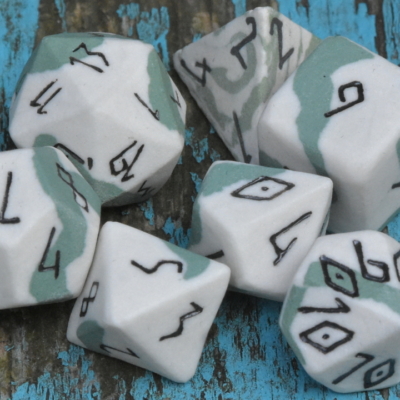
When you’re rolling for initiative with a versatile character like this, a Dark Heart Dice Set brings the right aesthetic to match the cleric‘s moral complexity.
Why Half-Elf Works for Cleric
Half-elves get +2 Charisma and +1 to two other abilities of your choice. That flexibility lets you start with 16 Wisdom and 16 Constitution at level 1 using standard array or point buy, which solves the cleric’s main tension between spellcasting power and survivability. The +2 Charisma might seem wasted at first glance, but it pays dividends for social encounters and makes certain domain features more effective.
Beyond ability scores, half-elves bring Darkvision (60 feet), advantage on saving throws against being charmed, and immunity to magical sleep through Fey Ancestry. You also gain two extra skill proficiencies on top of your class skills. For a cleric, this means you can cover party skill gaps without sacrificing your primary role.
The real strength here is adaptability. A half-elf cleric can pivot between frontline support, ranged casting, and social interaction without feeling stretched thin. You’re never the absolute best at any single thing, but you’re consistently good at everything your party needs.
Ability Score Priority
Start with Wisdom as your primary stat—it governs spell save DC, spell attack bonus, and the potency of your healing. Aim for 16 at character creation, with plans to push it to 20 by level 12 through ability score improvements.
Constitution comes second. Clerics often position themselves within 30 feet of melee to maintain Bless or Spirit Guardians, which means taking hits. A 16 Constitution gives you staying power without eating into your spellcasting ability.
The half-elf’s +2 Charisma shouldn’t be dumped. While not mechanically essential for most domains, that 14-16 Charisma makes you a viable face character for the party. When your paladin faceplants a persuasion check or the rogue gets caught lying, having a competent backup diplomat matters.
Strength, Dexterity, and Intelligence can be arranged based on your domain choice. Heavy armor domains (Life, War, Forge) want Strength for weapon attacks. Light/medium armor domains (Trickery, Light, Knowledge) benefit from Dexterity. Intelligence rarely matters mechanically but helps with knowledge checks.
Best Divine Domains for Half-Elf Clerics
Life Domain
The classic healer setup. Life Domain’s 2nd-level Disciple of Life feature adds 2 + spell level to any healing spell you cast, which stacks with the spell itself. A 1st-level Cure Wounds heals 1d8 + Wisdom modifier + 3, making it actually efficient. Heavy armor proficiency covers your defensive needs, letting you plant yourself in the thick of combat with Spiritual Weapon and Spirit Guardians active.
Half-elves enhance this domain through Charisma-based diplomacy. Life clerics often serve as party leaders and moral anchors—your natural social aptitude reinforces that role.
Trickery Domain
For a less orthodox approach, Trickery Domain leans into the half-elf’s social abilities. You gain proficiency in Stealth and Deception, and your Invoke Duplicity feature creates an illusory double that can be used for flanking or misdirection. The spell list includes Disguise Self, Pass Without Trace, and Dimension Door—tools for infiltration and escape.
Your Charisma becomes mechanically relevant here. Deception checks feel natural when you’ve got a 16 in the stat. The half-elf’s extra skill proficiencies can shore up Persuasion and Insight, making you a full-spectrum social character who happens to cast divine magic.
Knowledge Domain
Knowledge Domain turns the half-elf cleric into a skill monkey. You gain two language proficiencies and expertise in two Intelligence or Wisdom skills at 2nd level. Combined with the half-elf’s bonus skill proficiencies, you’re looking at 6-7 trained skills with two at expertise.
This domain works best in investigation-heavy campaigns. Your spell list includes Identify, Suggestion, and Arcane Eye—information gathering tools. The Channel Divinity: Knowledge of the Ages feature grants temporary proficiency in any tool or skill for 10 minutes, covering edge cases your skill list doesn’t address.
Forge Domain
Forge Domain combines durability with utility crafting. You gain heavy armor proficiency and a 1st-level feature that lets you buff an armor piece or weapon with +1 enhancement during long rests. At 6th level, your armor class increases by 1 and you gain resistance to fire damage.
The half-elf’s Constitution bonus supports this defensive approach. You become an incredibly difficult target to drop, which matters when you’re maintaining concentration on Spirit Guardians or Bless in melee range.
Building Your Half-Elf Cleric Through the Levels
Levels 1-4: Establishing Your Foundation
Focus on Wisdom first. At 4th level, take the ability score improvement to push Wisdom to 18. Your spell save DC and spell attack modifier both improve, making offensive spells like Guiding Bolt and Sacred Flame more reliable.
For prepared spells, prioritize concentration options that last through combat. Bless affects three party members for 1d4 on attacks and saves—absurdly efficient action economy. Shield of Faith gives a single target +2 AC, which can turn near-hits into misses. Healing Word provides bonus action healing for when allies drop.
Your domain spells are always prepared and don’t count against your preparation limit. Use that free space to grab utility options like Detect Magic, Purify Food and Drink, or Lesser Restoration.
Levels 5-8: Coming Into Power
5th level grants Spirit Guardians, arguably the best 3rd-level spell in the game. It creates a 15-foot radius aura that deals damage to enemies starting their turn in it and reduces their movement speed. Position yourself near clustered enemies and watch damage accumulate.
At 6th level, your domain grants a significant power spike. Life Domain gets better Channel Divinity healing, Trickery gets to attack with advantage from its duplicate, Knowledge gets Channel Divinity utility, and Forge gets that AC bump and fire resistance.
8th level offers another ability score improvement. Push Wisdom to 20 or consider feats. War Caster helps maintain concentration and allows you to cast Spiritual Weapon or other spells as opportunity attacks. Resilient (Constitution) adds proficiency to Constitution saves, which stacks with your already-solid Constitution for near-guaranteed concentration maintenance.
Levels 9-12: High-Tier Play
9th level gives you access to 5th-level spells like Mass Cure Wounds, Raise Dead, and Greater Restoration. Your utility expands dramatically—you can now solve problems that would end lesser parties.
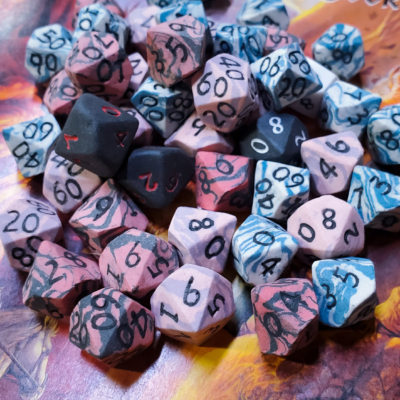
The Dawnblade Ceramic Dice Set captures that divine casting energy perfectly, its luminous finish mirroring the radiant spells half-elf clerics channel in combat.
At 12th level, if you haven’t already maxed Wisdom, do so now. A 20 Wisdom puts your spell save DC at 17, making it difficult for enemies to resist your effects. With that milestone reached, future ability score improvements can pursue feats or round out tertiary stats.
Recommended Backgrounds
Acolyte provides Insight and Religion proficiency, which reinforces your role as divine caster. The Shelter of the Faithful feature grants free healing and care at temples, reducing downtime expenses. It’s thematically appropriate and mechanically useful.
Sage offers Arcana and History proficiency, turning you into a lore repository. If you’ve chosen Knowledge Domain, this background stacks with your domain features to create an information specialist. The Researcher feature helps locate information in libraries and archives, which matters in investigation campaigns.
Noble provides History and Persuasion proficiency while leveraging the half-elf’s Charisma. The Position of Privilege feature grants access to high society, making social encounters easier to navigate. This background works particularly well with Trickery or Life Domains where you’re expected to lead.
Folk Hero gives Animal Handling and Survival proficiency, which are usually uncovered in typical party compositions. The Rustic Hospitality feature provides free lodging among common folk. If your campaign involves significant travel or wilderness exploration, this background fills practical needs.
Essential Feats for This Build
War Caster should be your first feat consideration after maxing Wisdom. Advantage on concentration checks, the ability to cast with hands full, and opportunity attack spellcasting all matter for cleric gameplay. Spirit Guardians concentration lasts through more hits, and you can smack fleeing enemies with Guiding Bolt instead of a melee attack.
Resilient (Constitution) adds proficiency to Constitution saves, which stacks multiplicatively with your already-high Constitution score. At 16 Constitution with proficiency, you’re adding +7 to concentration checks. Most damage won’t break your concentration even without advantage.
Lucky provides three rerolls per long rest. For a character who relies on maintaining concentration and landing key spells, those rerolls save critical moments. When your Spirit Guardians would drop from a critical hit, Lucky keeps it running.
Fey Touched grants +1 to Wisdom, Charisma, or Intelligence while providing Misty Step and another 1st-level divination or enchantment spell once per long rest. Misty Step gives you battlefield repositioning without eating spell slots. The ability score bump helps if you’re at an odd Wisdom score.
Combat Strategy
Your primary combat loop revolves around Spirit Guardians. Cast it on turn one, position yourself near enemy clusters, and maintain concentration. On subsequent turns, cast Spiritual Weapon as a bonus action for additional damage, then use your action for cantrips, healing, or dodge.
Against high-priority targets, Guiding Bolt deals solid damage and grants advantage to the next attack against that target. Your martial allies love this—advantage significantly increases their crit chance and ensures important attacks land.
Save spell slots for healing until allies actually drop. Healing Word as a bonus action brings unconscious allies back into the fight. Topping off characters who are already up wastes actions—let your damage prevention through Spirit Guardians and Bless do the heavy lifting.
Against enemies with legendary resistances, concentrate on non-save effects. Spirit Guardians requires a save every turn, burning through legendary resistances quickly. Bless doesn’t allow saves at all—it just works.
Playing the Social Pillar
Your Charisma and skill proficiencies make you a competent diplomatic character. When the party needs to negotiate with authority figures, leverage your background feature and high Charisma. Half-elves are culturally positioned as bridges between human and elven societies—use that narrative space to claim neutral ground in factional disputes.
The Guidance cantrip adds 1d4 to ability checks. Use it constantly outside combat. Before your rogue picks a lock, before your wizard makes an Arcana check, before your bard negotiates with the merchant—Guidance improves success rates across the board.
Your access to divination spells like Augury and Divination provides information that shapes party decisions. When the DM gives you cryptic responses, work with the table to interpret them. This collaborative approach reinforces your role as spiritual advisor.
Spell Selection Priorities
Always prepare these core spells: Healing Word, Bless, Spirit Guardians, Spiritual Weapon, Lesser Restoration, and Revivify (once available). These form your essential toolkit.
Situationally prepare: Remove Curse, Protection from Energy, Dispel Magic, Banishment, Freedom of Movement. These solve specific problems when they arise. Don’t prepare them every day, but know when you’ll need them.
For cantrips, take Guidance, Sacred Flame, and either Mending or Thaumaturgy. Guidance sees constant use. Sacred Flame provides a Dexterity save damage option when enemies have high AC. Toll the Dead offers better damage against injured targets but requires more tactical consideration.
Avoid spells that overlap with your domain list or require action economy you don’t have. If Spirit Guardians and Spiritual Weapon are already eating your action and bonus action, you don’t need additional concentration spells that require ongoing actions.
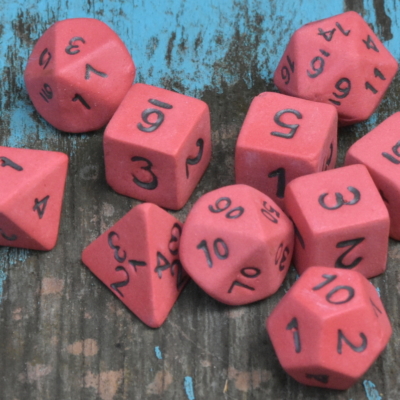
Most tables keep a 10d6 Assorted Ceramic Dice Set nearby for damage rolls, healing spells, and the countless d6 mechanics clerics rely on throughout a campaign.
What makes this build effective is how it refuses to be one-dimensional. You can heal when people are dying, buff when they need an edge, and actually contribute to social encounters without feeling like dead weight. The half-elf’s flexibility means you’re not banking everything on a single stat, so when your primary strategy gets shut down, you’ve got other tools ready to deploy.
Related Cleric Guides
- Gnome Cleric Encounters: Subclass Options
- How to Build a White Dragonborn Cleric in D&D 5e
- Aasimar Cleric Synergy: Race And Class In Perfect Harmony
- Elf Cleric Survivability: Why Dexterity Beats Wisdom
- Female Dragonborn Cleric: Draconic Power in Divine Form
- How to Play a Frontline Green Dragonborn Cleric