
Paladins are the closest thing D&D 5e has to a power fantasy with receipts. You swear an oath, you channel divine wrath through a longsword, and you get to dump every spell slot you have into a single attack roll that deletes a boss monster from the table. Smite-nova builds are real, they work, and yes, the rest of the party will hate you a little when you crit on a Greatsword wielding a 4th-level Divine Smite. That’s the appeal: you hit like a freight train, you heal with Lay on Hands, you save the squishies with Aura of Protection, and you do it all while wearing heavy armor.
The catch nobody mentions at session zero? Paladins are MAD as hell. You want Strength for your weapon, Charisma for your spells and auras, and Constitution because you’re standing in the front rank. Point buy hurts. Multiclassing is a minefield, half-casters scale spell slots weird, and choosing between Sacred Oaths means weighing Channel Divinity options that range from “build-defining” (Vengeance’s Vow of Enmity) to “situational at best” (looking at you, Turn the Unholy). Then there’s the roleplay layer, the oath itself, which your DM may or may not enforce like a contract lawyer.
This is the hub. Every Paladin article we’ve written, sorted and linked below, covers builds, subclass rankings, smite math, multiclass dips worth taking, and the oath-breaking rules nobody reads until it’s too late. Start wherever you need.
We encounter many table top gamers who love the Paladin class. There are several reasons we hear during conversation at the Crit Hit Ceramics booth at conventions about why people select Paladin as their preferred class. Probably the number one reason is one word: SMITE! But in all seriousness, Paladins are a popular class to play because they are durable, deal great damage, and can act as a secondary healer for the party. People love playing with a good Paladin in the party. They know damage and heals are going to be seen in combat from their ally. Also, they can be truly fun to role play as many campaigns face great evil, the true enemy of a good Paladin! People who are playing a Paladin like strong-willed personas who are carving their way in the world, righting injustices and helping the downtrodden.
When talking with Paladin players about dice, often solid color sets are the ones that appeal. They are straightforward and solid, just like a Paladin. We have a variety of dice that match with these ideals. Players don’t have trouble selecting a set of dice that fit their Paladin perfectly. Often people will choose our Skeleton Ceramic Dice Set because it is a white porcelain die set with contrasting black numbers, or a Pharaoh’s Sandstorm set because of the gold numbers.
Paladin Core Mechanics
The Paladin is D&D 5e’s premier hybrid warrior, blending martial prowess with divine magic. With a d10 Hit Die, heavy armor proficiency, and Strength as a primary stat, paladins fight on the front line. But Charisma drives their magic, smites, and class features—making it equally essential.
New players should focus on these foundational mechanics:
- Divine Smite: After hitting with a melee weapon attack, you can expend a spell slot to deal an extra 2d8 radiant damage (3d8 vs. undead/fiends), plus 1d8 per slot level above 1st. This is your signature move—burst damage on demand.
- Lay on Hands: A pool of hit points (5 × paladin level) you can distribute to heal allies or cure diseases and poisons. It’s not a spell, so it never runs out of slot economy.
- Spellcasting: You’re a half-caster (spells start at 2nd level) and a prepared caster, meaning you can swap your prepared list on a long rest. Smart smiting trumps casting bonus-action spells in most rounds.
- Channel Divinity: Subclass-specific abilities (gained at 3rd level) that recharge on a short rest.
What surprises experienced players is just how transformative Aura of Protection is at 6th level. Every creature within 10 feet of you (including yourself) adds your Charisma modifier to all saving throws. With a +4 or +5 Charisma, this single feature can swing entire encounters—negating Hold Person, fireballs, dragon breath, and save-or-die effects across the whole party. Few features in the game match its impact.
Mechanically, paladins distinguish themselves clearly: unlike Fighters, they trade extra attacks and martial versatility for nova damage and spellcasting; unlike Clerics, they’re durable melee combatants whose magic empowers weapons rather than replacing them. The paladin is the party’s protector, healer, and finisher rolled into one.
Choosing Your Sacred Oath
Your Sacred Oath defines your paladin’s soul, granting unique spells, Channel Divinity options, and a moral compass that shapes every decision at the table. Picking the right one matters as much as your ability scores—and pairs powerfully with your smite strategy, as discussed in our Divine Smite and Oath Selection guide.
Oath of Devotion is the archetypal holy warrior, wielding Sacred Weapon to boost attack rolls and Turn the Unholy to scatter undead and fiends. It’s the gold standard for new players who want a clear “lawful good knight” fantasy.
Oath of the Ancients channels primal light against the darkness, befriending fey and gaining resistance to spell damage at 7th level via Aura of Warding—arguably the best defensive aura in the game.
Oath of Vengeance hunts a single quarry with relentless precision. Vow of Enmity grants advantage on attacks against one creature, making this oath the king of nova-round single-target damage when combined with smites.
Oath of Conquest rules through fear. Conquering Presence frightens enemies, while Aura of Conquest paralyzes frightened foes and deals psychic damage—a brutal lockdown combo for tyrannical or dread-knight builds.
Oath of Redemption plays the pacifist tank, using Rebuke the Violent to punish attackers and Aura of the Guardian to absorb damage allies take. It’s mechanically demanding but roleplay-rich.
Oath of the Crown serves civilization and law. Champion Challenge forces enemies to stay near you, making it an exceptional sticky tank for protecting squishy party members.
Oath of Glory embodies the mythic hero from Theros. Inspiring Smite shares temp HP with allies, and Peerless Athlete boosts athletic feats—great for cinematic, Olympic-style heroes.
Oath of Treachery (Unearthed Arcana) is the villain oath, granting Conjure Duplicate and poison-based smites. Unofficial but flavorful for antiheroes and morally gray campaigns.
Oath of the Watchers guards reality against aberrations and extraplanar threats, boosting initiative and counterspelling enemy casters. Read our full Oath of the Watchers build guide for tactics.
For broader subclass comparisons, check our Sacred Oath Selection Guide, and don’t forget that your background can reinforce your oath in meaningful narrative ways.
Best Race Combinations for Paladin
Paladins thrive on the dual-stat dance between Strength (for smashing) and Charisma (for spells, auras, and saves). The right race pushes both stats higher while layering in defensive or utility perks that complement Lay on Hands and Divine Smite. Here are the standout pairings:
- Aasimar: The quintessential Paladin race—Charisma boost, radiant damage, and healing hands echo your divine kit perfectly. Read the Aasimar Paladin guide.
- Tiefling: Charisma-forward with innate spellcasting and fire resistance, Tieflings make charismatic oathbreakers and vengeful crusaders alike. See the full Tiefling Paladin guide or the quick build.
- Goliath: Massive Strength, Stone’s Endurance damage reduction, and Powerful Build turn you into an unkillable frontliner. Dive into the Goliath Paladin build, the beginner’s guide, or the Stone’s Endurance survival guide.
- White Dragonborn: Strength-leaning with a cold breath weapon for AoE pressure when smites aren’t enough. Check the White Dragonborn Paladin guide.
- Silver Dragonborn: Cold breath plus a noble flavor that suits Devotion or Crown oaths beautifully. Read the Silver Dragonborn guide.
- Gem Dragonborn: Psychic breath, flight, and telepathy give your Paladin unique battlefield mobility and utility. Explore the Gem Dragonborn Paladin.
- Centaur: A built-in mount means you never dismount your aura—mounted Smites at 40 ft. of movement are brutal. See the Centaur Paladin build and mounted combat tactics.
- Warforged: +1 AC and resistance to poison make this construct the tankiest smite platform in the game. Read the Warforged Paladin guide.
- Orc: Powerful Build plus Adrenaline Rush fuels relentless charges into the front line. See the Orc Paladin guide.
- Kobold: Draconic Cry grants pack-tactics-style advantage, supercharging Smite crit fishing. Build a Kobold Paladin.
- Goblin: Fury of the Small adds free damage to your biggest Smite of the turn—small package, huge payoff. Read the Goblin Paladin guide.
Whether you’re stacking Charisma for godly auras or piling on Strength for nova damage, there’s a race here that turns your Paladin into a complete frontline force.
Paladin Build Archetypes
Paladins are remarkably flexible, capable of filling nearly any party role depending on how you allocate ability scores, choose subclasses, and pick spells. Below are four proven archetypes to guide your character creation, each with distinct strengths at the table. For a deeper dive into mechanics, check out How to Build a Paladin in D&D 5e.
1) The Tank (Aura-Focused Defender): This build maximizes Constitution and Charisma to weaponize Aura of Protection, keeping allies alive through saving throw bonuses. Pair heavy armor, a shield, and Oath of the Ancients or Devotion for unmatched durability. Key features: Aura of Protection, Sentinel feat, Shield Master, defensive fighting style.
2) The Smite Nuker (Divine Burst Damage): Built around explosive Divine Smite damage, this archetype dumps spell slots into critical hits and boss takedowns. Oath of Vengeance or Conquest with a Great Weapon Master feat turns your Paladin into a single-target deletion machine. Key features: Improved Divine Smite, Great Weapon Fighting, Polearm Master, Vow of Enmity.
3) The Support (Healer and Buffer): Leveraging Lay on Hands, Bless, Aura of Vitality, and cleansing spells, this Paladin keeps the party operational through long adventuring days. Oath of Devotion or Redemption synergizes with diplomatic play—see How Paladin Backgrounds Shape Your Character’s Role for narrative hooks. Key features: Lay on Hands pool, Bless, Aura of Courage, healing spells.
4) The Versatile (Sword & Board Generalist): The classic balanced build wields a one-handed weapon and shield, splitting attention between damage, support, and durability. It excels in unpredictable campaigns and pairs beautifully with multiclassing options outlined in the Paladin Multiclass Guide. Key features: Dueling fighting style, Shield Master, balanced ability scores, broad spell selection.
For roleplay-driven variants, explore How to Play a Paladin in D&D 5e.
Combat Tactics & Action Economy
Divine Smite is a reactive tool, not a default. Hold smites until you confirm a hit, then escalate damage based on context: burn a 1st-level slot on standard mooks, dump 3rd-4th level slots into crits or BBEGs near death. Against undead or fiends, the bonus d8 makes lower-level smites worthwhile. Never smite on your first hit of a turn if you have a second attack pending—wait to see if you crit.
Reserve at least one slot per short rest for Lay on Hands-style emergencies via Find Steed or upcast healing. Save 2nd-level slots for Branding Smite against invisible foes, or Misty Step if you took Sorcerer/Warlock dips.
Aura of Protection is your tax on positioning. Stay within 10 feet of casters and squishy martials during save-or-suck moments (dragon breath, mind flayer blasts). Move before the enemy turn, not after.
Your bonus action is contested real estate. Bless (concentration) usually beats Sacred Weapon for party value, but Sacred Weapon wins solo or when allies already have advantage. Smite spells like Searing Smite compete with Lay on Hands—pre-cast smite spells before initiative when possible. Shield of Faith rarely beats Bless unless you’re tanking a boss alone.
For out-of-combat prep and resource planning, see Paladin Travel and Exploration Tips and How to Build a Paladin for Travel and Exploration.
Featured Dice for Paladin Players
Hand-picked ceramic dice sets from Crit Hit Ceramics that complement Paladin characters at the table.
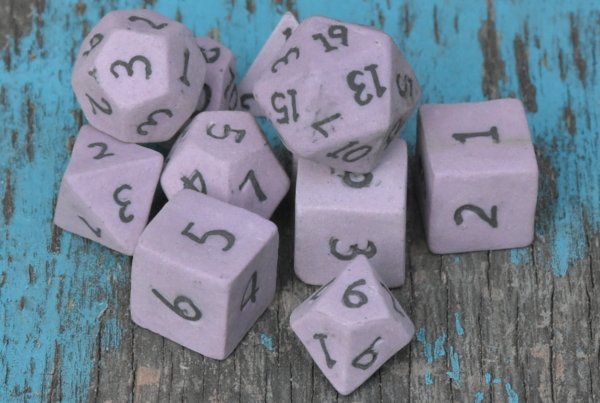
Coming Soon
Regal Regent Ceramic Dice Set
Hand-pigmented purple English porcelain with bold black numbering. A handmade ceramic dice set for noble characters, court wizards, and c…
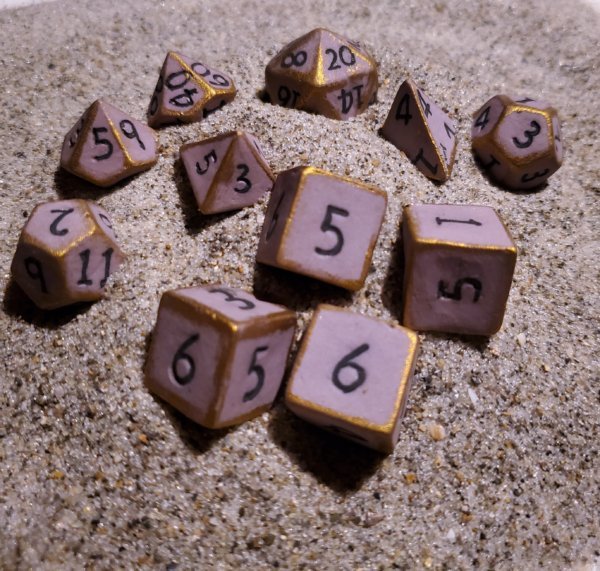
Coming Soon
Gold Caged Regal Regent Ceramic Dice Set
The Regal Regent base — hand-pigmented purple English porcelain — with hand-painted gold edging on every face. A premium handmade cer…

Coming Soon
Dawnblade Ceramic Dice Set
Bright blue hand-pigmented English porcelain with crisp white numbering. A handmade ceramic dice set for dawn paladins, light clerics, an…
Frequently Asked Questions About Paladins
Is Paladin good for new players?
Yes, Paladins are excellent for newcomers to D&D 5e. They’re durable thanks to heavy armor and high hit points, deal reliable damage, and offer healing through Lay on Hands. The class provides a satisfying mix of combat and support roles without overwhelming complexity. While managing spell slots and Divine Smite adds some decision-making, the choices are straightforward. Paladins also encourage engaging roleplay through their Sacred Oath, giving new players a built-in character hook to explore.
Best Paladin race?
Variant Human and Half-Elf are popular top-tier choices. Variant Human grants a free feat at level 1, letting you grab Great Weapon Master or Polearm Master early. Half-Elf provides Charisma boosts, perfect for spellcasting and Aura of Protection. Other strong options include Dragonborn for thematic flavor and a breath weapon, Goliath for tankiness, and Aasimar for synergy with the celestial theme. Ultimately, any race with Strength or Charisma bonuses works well, so prioritize flavor and roleplay preference.
When to use Divine Smite vs save slots?
Save your spell slots for critical hits, taking down dangerous enemies, or finishing off bloodied foes. Smiting on a crit doubles the damage dice, making it incredibly efficient. Avoid smiting on minions or when an enemy is nearly dead—you’ll waste resources. Early in the day, conserve slots for emergencies and big threats. Late in the adventuring day, spend freely. Also consider holding slots for key spells like Bless, Shield of Faith, or healing in emergencies.
Must Paladins be Lawful Good?
No, this is a common misconception from older D&D editions. In 5e, Paladins can be any alignment. Their power comes from their Oath, not divine grant or alignment restrictions. A Vengeance Paladin might be Chaotic Neutral, an Oathbreaker is typically evil, and Oath of Conquest fits Lawful Evil perfectly. What matters is upholding your Oath’s tenets. This flexibility allows for compelling characters like ruthless inquisitors, vengeful crusaders, or even villainous antiheroes pursuing their sacred mission.
Can Paladins break their Oath?
Yes, and it can create powerful story moments. Breaking your Oath’s tenets traditionally results in becoming an Oathbreaker (with DM approval) or seeking atonement to restore your standing. The Dungeon Master’s Guide provides Oathbreaker mechanics for fallen Paladins who embrace darker paths. Alternatively, your Paladin might temporarily lose powers until completing a quest of redemption. Discuss consequences with your DM beforehand. Oath-breaking should serve the narrative, not punish players, and can lead to fantastic character development arcs.
How does Aura of Protection actually work?
Starting at 6th level, you and friendly creatures within 10 feet (30 feet at level 18) add your Charisma modifier to all saving throws while you’re conscious. With a +5 Charisma, that’s a massive bonus to every save against spells, traps, and abilities. It stacks with other bonuses like Bless. This is why Charisma is crucial—you’re essentially a walking saving throw buff. Position yourself near allies during combat to maximize coverage, especially before enemies cast area-effect spells.
Browse All Paladin Content
Our complete library:
By Race Combination (163)
- Mastering the Tiefling Paladin: A Beginner's Guide
- How to Build a Kobold Paladin
- How to Build a Goliath Paladin in D&D 5e
- How to Build a Tiefling Paladin in D&D 5e
- How to Build a White Dragonborn Paladin
- Goliath Paladin: Strength and Stone's Endurance
- How to Build a Silver Dragonborn Paladin in D&D 5e
- Goliath Paladin: Stone's Endurance Survival Guide
- How to Build a Centaur Paladin in D&D 5e
- How to Build a Warforged Paladin in D&D 5e
- How to Build an Orc Paladin in D&D 5e
- How to Build a Gem Dragonborn Paladin in D&D 5e
- How to Build a Goblin Paladin in D&D 5e
- How to Build an Aasimar Paladin in D&D 5e
- Centaur Paladin Mechanics and Mounted Combat Tactics
- How to Build a Zariel Tiefling Paladin in D&D 5e
- How to Build a Yuan-Ti Paladin in D&D 5e
- Tiefling Paladin: Charisma Over Strength
- How to Build a Half-Orc Female Paladin in D&D 5e
- How to Build a Bronze Dragonborn Paladin in D&D 5e
- Aasimar Paladin Synergy: Divine Heritage Meets Oath
- How to Build a Drow Paladin in D&D 5e
- How to Build a Half-Elf Paladin in D&D 5e
- Half-Elf Paladin Stats: Why This Race Wins
- Half-Elf Paladin: Why This Race-Class Combo Wins
- Why Half-Elf Paladins Excel in D&D 5e
- Half-Elf Paladin: Why This Race Excels Mechanically
- Half-Elf Paladin: Why This Combo Dominates
- How to Build a Copper Dragonborn Paladin
- How To Use Copper Dragonborn Breath In Paladin Combat
- How to Build a Copper Dragonborn Paladin in D&D 5e
- Copper Dragonborn Paladin Charisma Synergy Guide
- Copper Dragonborn Paladin: Playing Unconventional Well
- Copper Dragonborn Paladin: Playing The Jester Knight
- Goliath Paladin: Why This Combo Actually Works
- Goliath Paladin: Built for Unstoppable Frontline Defense
- Goliath Paladin: Turning Defense Into Offense
- Goliath Paladin Durability: Building An Unkillable Tank
- Goliath Paladin: Racial Synergy And Stat Priority
- Goliath Paladin: Stone's Endurance Tank Build
- Goliath Paladin: Stone's Endurance and Divine Smite
- Aasimar Paladin Synergies: Race And Class Alignment
- Aasimar Paladin Synergy: Why This Race Truly Fits
- Aasimar Paladin: Why This Pairing Actually Works
- Aasimar Paladin: Why Celestial Bloodlines Work
- Aasimar Paladin: Celestial Synergy and Combat Tactics
- Warforged Paladin Tank: Mechanical Advantages Explained
- Warforged Paladin: Why This Race Excels
- Warforged Paladin: Divine Purpose In Constructed Form
- Warforged Paladin: Mechanical Synergy and Roleplay Depth
- Warforged Paladin: Divine Resilience On The Frontline
- Warforged Paladin Survivability and Smite Power
- Warforged Paladin: Faith And Durability Combined
- Goblin Paladin: Why Small Works in Melee
- Goblin Paladin: Building Beyond Optimization
- Goblin Paladin: Tactical Advantages Beyond The Mismatch
- Goblin Paladin: Turning Chaos Into Divine Tactics
- Goblin Paladin: Embracing Mechanical Awkwardness
- Goblin Paladin: Overcoming Mechanical Limits
- Warforged Paladin: Durability And Divine Power Combined
- Goliath Paladin: Merging Divine Faith With Physical Dominance
- Building a Goliath Paladin: Lore Integration for Campaign Play
- Goliath Paladin Mechanics: Stone's Endurance Tanking
- How to Build a Goliath Paladin: Lore and Mechanics
- How to Build a Tiefling Paladin for Time-Pressured Campaigns
- Tiefling Paladin Subraces: Mechanical Advantages
- Building a Tiefling Paladin for Time-Sensitive Campaigns
- Best Magic Items for Goblin Paladins in D&D 5e
- Magic Items for Goblin Paladins in D&D 5e
- Best Magic Items for Goblin Paladins
- Best Magic Items for a Goblin Paladin in D&D 5e
- Zariel Tiefling Paladin Synergy: Mechanics and Roleplay
- Zariel Tiefling Paladin: Optimized For Smite Damage
- How to Make Combat Cinematic with a Gem Dragonborn Paladin
- How to Build a Gem Dragonborn Paladin
- How to Optimize Gem Dragonborn Racial Traits for Paladins
- How to Build an Earth Genasi Paladin
- How to Build an Earth Genasi Paladin/Ranger Multiclass
- Half-Elf Paladin: Why This Combination Actually Works
- Half-Elf Paladin: Why This Build Actually Works
- How to Run a Dark Campaign with a Tiefling Paladin
- How to Build a Tiefling Paladin for Dark Campaigns
- Running a Tiefling Paladin Campaign in D&D 5e
- How to Build a Triton Paladin in D&D 5e
- Triton Paladin: Why This Race Fits Perfectly
- Triton Paladin: Embracing Divine Duty Underwater
- Triton Paladin: Divine Purpose Under The Sea
- Aasimar Paladin: Celestial Heritage Meets Divine Oath
- Aasimar Paladin Synergy: Race and Class Design
- Building an Aasimar Paladin Around a Legendary Artifact
- How to Build a Centaur Paladin for War Campaigns
- How to Command War Tactics as a Centaur Paladin
- How to Optimize Centaur Paladins for Battle
- Centaur Paladin Tactics: Charge Into War
- Yuan-Ti Paladin: Balancing Divine Oath With Serpent Origins
- Yuan-Ti Paladin: Mechanics Over Morality
- How to Run a Yuan-Ti Paladin Campaign
- Yuan-Ti Paladin: Campaign Settings That Work
- How to Build a Bugbear Paladin in D&D 5e
- Bugbear Paladin: Tension and Synergy
- How to Build a Bugbear Paladin for Mystery Campaigns
- Tiefling Paladin: Light Against Infernal Heritage
- Goliath Paladin: Standing Unbreakable at the Front
- Goliath Paladin: Building Your Party's Strongest Tank
- Goliath Paladin Character Growth Through Divine Calling
- Building a Goliath Paladin: Backstory and Character Development
- Crafting An Epic Goliath Paladin Backstory
- Goliath Paladin: Building Tank Power Through Racial Synergy
- Goliath Paladin: Why This Race Defines The Class
- Best D&D Podcasts for Half-Orc Paladin Players
- Best D&D Podcasts for Half-Orc Paladins
- Best D&D Podcasts Featuring Half-Orc Paladins
- How to Build a Half-Orc Paladin in D&D 5e
- How to Build a Blue Dragonborn Paladin/Rogue Multiclass
- Tiefling Paladin: Roleplaying Infernal Contradiction
- How to Play a Tiefling Paladin in D&D 5e
- Zariel Tiefling Paladin: Why This Build Actually Works
- Zariel Tiefling Paladin: Infernal Heritage Meets Holy Power
- How to Play a Zariel Tiefling Paladin in D&D 5e
- Building a Zariel Tiefling Paladin in D&D 5e
- Triton Paladin: Why Ocean Depths Choose This Build
- Triton Paladin Mechanics For Aquatic Campaigns
- How to Build a Tortle Paladin in D&D 5e
- Tortle Paladin: Building D&D's Perfect Tank
- Tortle Paladin: Armor And Oath Without Charisma
- Tortle Paladin Tank: Trading Speed For Survivability
- Aasimar Paladin Mechanics Beyond Thematic Synergy
- Aasimar Paladin Subrace Synergies and Combat Mechanics
- Aasimar Paladin: Celestial Heritage and Divine Oath
- Aasimar Paladin Lore: Divine Heritage and Oath
- Aasimar Paladin Synergies: Race and Class Mechanics
- Elemental Magic and Radiant Power: Aasimar Paladin
- Aasimar Paladin: Celestial Synergy and Sacred Oaths
- How to Build a Tragic Hero Paladin Half-Elf
- Building a Half-Elf Paladin as a Tragic Hero
- Half-Elf Paladin: Why This Race Excels
- Building a Half-Elf Paladin Backstory
- How to Play a Diplomatic Aasimar Paladin in D&D 5e
- How to Build an Aasimar Paladin for Diplomatic Campaigns
- How to Turn Aasimar Paladins Into Master Negotiators
- House Rules for Goliath Paladins in D&D 5e
- Goliath Paladin Durability: Mastering Stone's Endurance
- House Rules for Goliath Paladin Builds in D&D 5e
- Goliath Paladin House Rules For Peak Performance
- Aasimar Paladin: Why This Race Excels
- How to Build a Protector Aasimar Paladin in D&D 5e
- Protector Aasimar Paladin: Mechanics And Synergy
- Protector Aasimar Paladin: Divine Synergies That Work
- How to Build a Dragonborn Paladin with Prophecy Themes
- How to Play a Half-Drow Paladin in D&D 5e
- How to Build a Half-Orc Paladin Villain for D&D
- How to Build an Aasimar Paladin/Warlock Multiclass
- How to DM for Dragonborn Paladins
- Warforged Paladin: The Unkillable Tank Build
- How to Build a Green Dragonborn Paladin in D&D 5e
- How to Build a Fallen Aasimar Paladin in D&D 5e
- How to Build a Red Dragonborn Paladin Backstory
- Tiefling Paladin: Why Charisma Beats Strength
- Triton Paladin: Thematic Synergy Over Optimization
- How to Roleplay a Silver Dragonborn Paladin Beyond Combat
- How to Build a Lizardfolk Paladin in D&D 5e
- Building a Tortle Paladin: Alignment and Character Choices
- Combat Tactics and Challenges for Half-Orc Paladins
By Sacred Oath (13)
- How to Build an Oath of the Watchers Paladin
- Paladin Power: Divine Smite And Oath Selection
- Paladin Sacred Oaths and Divine Smite Mechanics
- Paladin Mechanics and Sacred Oath Selection Guide
- Paladin Backgrounds That Reinforce Your Oath
- Unexpected Origins Shape Paladin Characters Best
- How Paladin Backgrounds Shape Divine Oath
- Oath of Hexes: Running Hex-Focused Paladins at Your Table
- How to Play an Oath of Hexes Paladin in D&D 5e
- Oath of Hexes: Homebrew Paladin Subclass Guide
- How to Run an Oath of Hexes Paladin in Your Campaign
- Paladin Mechanics and Sacred Oaths Explained
- How to Build a D&D Paladin: Divine Magic and Sacred Oaths
Build Guides & Optimization (16)
- How to Play a Paladin in D&D 5e
- How to Build a Paladin in D&D 5e
- How Paladin Backgrounds Shape Your Character's Role
- Best Backgrounds for Paladins in D&D 5e
- How to Play a Paladin with a Secret Agenda
- How Magic Shapes Paladin Worldbuilding in D&D 5e
- How Paladins Shape Magic in Your D&D World
- Paladin Multiclass Guide: Best Options for D&D 5e
- Paladin Multiclassing Guide for D&D 5e
- Paladin Multiclassing: Which Combinations Actually Work
- How to Multiclass Your Paladin in D&D 5e
- Paladin Multiclassing: Trading Power For Versatility
- How to Build an Exploration-Focused Paladin in D&D 5e
- How to Play a Traveling Paladin in D&D 5e
- How to Build a Paladin Backstory That Matters
- How to Build a Dexterity Paladin in D&D 5e
Tactics & Play Style (2)
Character & Lore (4)
Other Content (13)
- Best Paladin Backgrounds in D&D 5e
- Paladin Backgrounds That Boost Skills and Story
- Playing a Paladin with Hidden Motives
- Best Paladin Backgrounds for D&D 5e
- How Music Enhances Your Paladin Campaign
- How to Build a Paladin Campaign Around Legendary Artifacts
- Building a Paladin Artifact Campaign in D&D 5e
- How to Play a Paladin Without Derailing Your Campaign
- How to Handle Problem Players as a Paladin
- How Campaign Pacing Changes with a Triton Paladin
- How Magic Works in D&D: A Paladin's Perspective
- Running Urban Paladin Campaigns in D&D 5e
- Running a Low-Prep D&D Campaign with a Paladin