Running a Low-Prep D&D Campaign with a Paladin
Not every campaign needs months of worldbuilding and fifty pages of lore. Some of the best D&D sessions happen when you embrace flexibility over exhaustive preparation. For Dungeon Masters juggling work, family, or other campaigns, running a minimal-prep game doesn’t mean sacrificing quality—it means working smarter. A paladin in the party is particularly useful here: their oath and moral convictions create natural story hooks that require almost no setup on your end.
The paladin class offers unique advantages for low-prep campaigns. Their oaths provide ready-made story hooks, their divine sense can drive investigation scenes without elaborate clues, and their lawful nature creates organic conflict. This guide covers how to structure a campaign that leverages what paladins bring to the table while keeping your prep time under an hour per session.
Why Paladins Work Well in Minimal Prep Campaigns
Paladins are self-motivating characters. Unlike rogues who need treasure hooks or wizards who need arcane mysteries, paladins come with built-in narrative drives through their sacred oaths. An Oath of Vengeance paladin needs villains to hunt. An Oath of Devotion paladin needs innocents to protect. An Oath of the Ancients paladin needs natural spaces to defend. You don’t need to engineer elaborate personal questlines—the class features do it for you.
Their divine sense ability also solves a common DM problem: how to telegraph threats without heavy-handed exposition. When the paladin detects fiendish presence in the noble’s manor, you’ve created tension without writing three pages of backstory about the devil-worshipping count. The mechanics handle the revelation.
Finally, paladins create conflict naturally. Their rigid moral codes clash with morally gray NPCs, corrupt officials, and pragmatic party members. These conflicts emerge organically from character interaction rather than requiring pre-planned drama.
Campaign Framework for Low-Prep Play
Start with a simple premise that aligns with typical paladin motivations. A frontier town plagued by raiders works. A merchant guild suspected of trafficking with fiends works. A corrupted temple needing cleansing works. You need one sentence, not three pages.
Build your session structure around these elements:
- One combat encounter (use stat blocks you already know—bandits, cultists, undead)
- One social encounter where the paladin’s charisma matters
- One investigation scene where divine sense or zone of truth can shine
- One moral dilemma with no clean answer
This framework takes fifteen minutes to sketch out. The paladin’s abilities naturally engage with each pillar of play, so you don’t need elaborate setups. A simple rumor about desecrated graves becomes a full session when the paladin gets involved.
Using Random Tables Effectively
Keep three tables handy: one for NPC names and motivations, one for complications, and one for treasure. When the party goes off-script—and they will—roll on these tables to improvise coherently. If the paladin wants to investigate the blacksmith you hadn’t planned, roll for the blacksmith’s secret. Maybe he’s being extorted by the same bandits plaguing the town. Suddenly you have connected your improvised NPC to the main plot without any prep.
For paladins specifically, keep a list of oath-relevant complications. Things like “innocent person accused of crime,” “corrupt official abusing power,” or “desperate villain with sympathetic motive.” These create instant drama for a paladin player without requiring detailed backstories.
Paladin Subclasses and Campaign Themes
Different paladin oaths suggest different minimal-prep campaign types. Match the oath to a simple theme and let the mechanics drive the story.
Oath of Devotion
Theme: Classic good versus evil. This oath works perfectly for straightforward campaigns where you can use stock villains without moral complexity. Undead, fiends, and evil cultists provide clear enemies. You don’t need nuanced villain motivations—devotion paladins fight evil because it’s evil. This is the lowest-prep oath because it requires minimal moral complexity.
Oath of Vengeance
Theme: Hunt and pursuit. Build your campaign around a single recurring villain or organization. You need one BBEG with a memorable gimmick, then each session involves tracking leads, interrogating minions, or stopping schemes. The vengeance paladin’s motivation does the narrative work. You don’t need elaborate plots—just bread crumbs leading to the next confrontation.
Oath of the Ancients
Theme: Natural corruption. This oath creates instant adventure hooks anywhere nature is threatened—lumber operations hiding something sinister, druids corrupted by dark powers, fey creatures making dangerous bargains. You can drop the party into any wilderness hex, introduce one corrupting element, and let the paladin’s oath drive investigation.
Oath of Conquest
Theme: Power struggle. This oath thrives on territorial disputes, rival factions, and dominance hierarchies. Set your campaign in a region with competing powers and let the conquest paladin pick sides. The political complexity writes itself from faction interactions rather than detailed prep.
Session-to-Session Minimal Prep Routine
Here’s a realistic thirty-minute prep routine that works when you have a paladin in the party:
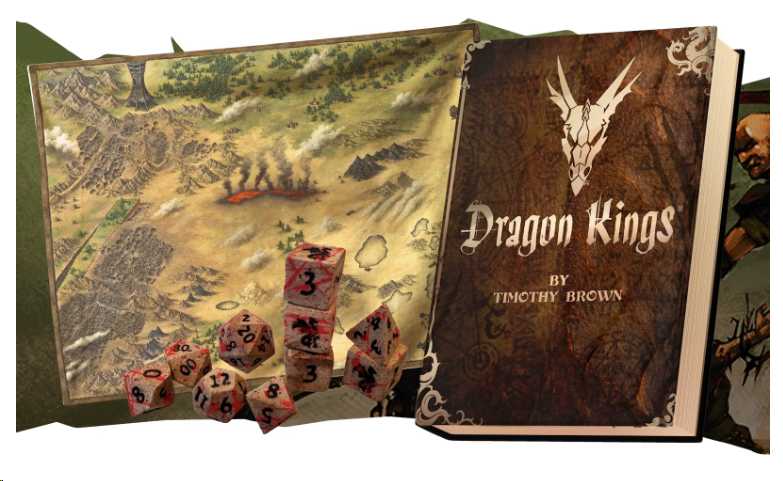
Rolling on the Dawnblade Ceramic Dice Set captures that radiant energy oath-bound characters embody, reinforcing their divine nature with each check.
Review what happened last session (five minutes). Note any threads the paladin latched onto. If they got suspicious about the mayor, that’s your next session hook.
Prepare one stat block for combat (five minutes). Reskin monsters you know well. Bandits become cultists, wolves become fiendish hounds. Don’t create new mechanics.
Write three NPC names with one-sentence descriptions (five minutes). You need faces for the paladin to interrogate, threaten, or protect.
Sketch one moral dilemma (five minutes). Write down two bad options with no clear right answer. Example: the bandits raiding the town are desperate refugees driven from their homes by the same nobles funding the town guard. Does the paladin protect the town or help the bandits?
Prepare one revelation about the larger plot (five minutes). This can be a simple clue, an NPC confession, or something the paladin’s divine sense detects. One revelation per session maintains momentum.
List three potential complications (five minutes). Keep these vague—”authority figure makes unreasonable demand,” “innocent person in danger,” “evidence proves misleading.” Use these if the session runs short or if you need to redirect wandering players.
Leveraging Paladin Abilities for Storytelling
Paladin class features solve common low-prep problems. Lay on hands means you don’t need to track healing potion logistics. Divine sense provides investigation results without elaborate clue-planting. Zone of truth shortcuts lengthy interrogations and keeps sessions moving.
Use divine smite as a pacing tool. When combat drags, let the paladin smite dramatically and narrate how divine radiance obliterates the enemy. This creates memorable moments without requiring tactical complexity or custom monsters.
Aura abilities create natural party formations and tactical considerations without complicated terrain. You don’t need elaborate battlemap setups—the paladin’s aura provides mechanical depth.
Common Pitfalls and Quick Fixes
The biggest mistake is creating moral complexity that undercuts the paladin’s certainty. If you want minimal prep, don’t try to make every villain sympathetic. Sometimes bandits are just bandits. Save moral gray areas for one major dilemma per arc, not every encounter.
Another pitfall is ignoring the paladin’s oath tenets. If your Devotion paladin keeps encountering situations where lying is the only option, you’re creating friction that requires more prep to resolve satisfyingly. Design scenarios where following the oath is difficult but possible.
Don’t make the paladin’s divine sense useless by having no fiends or undead. If you’re running a political intrigue campaign, either include some hidden supernatural element or acknowledge this isn’t a great fit for the subclass.
Scaling Up From Minimal Prep
Once you’re comfortable running minimal prep paladin campaigns, you can add complexity gradually. Introduce recurring villain lieutenants. Add one ongoing mystery alongside the main plot. Create named NPCs the paladin cares about protecting.
But you never need to abandon the core principle: let the paladin’s mechanics and motivations drive the story rather than exhaustive preparation. A well-played paladin creates their own adventures just by existing in your world.
Many DMs keep a 10d6 Assorted Ceramic Dice Set nearby for damage rolls, monster HP pools, and any mechanical need that arises mid-session.
The real advantage of pairing low-prep DMing with a paladin player is that their oath does structural work for you. Rather than spending limited prep time crafting intricate plots, focus on presenting moral quandaries and situations where their convictions matter. Let the oath provide the backbone, and fill in the rest with challenges that force meaningful decisions. You can run engaging, memorable sessions this way without the hours of behind-the-scenes worldbuilding.