How to Play a Paladin With Hidden Motives
Paladins seem built for transparency—sworn oaths, divine radiance, unwavering moral conviction. But the most interesting ones often carry hidden agendas that complicate the narrative without breaking character. The key insight is that a secret agenda isn’t the same as betrayal. It’s personal stakes that run deeper than simple righteousness, motivations your character pursues while still honoring their oath in the ways that matter most.
Playing a paladin with hidden motives requires more finesse than playing a rogue with duplicitous plans. Your class mechanics work against deception, your party expects transparency, and your DM will scrutinize whether your secrets violate your sacred oath. Done right, though, this creates one of the most dramatically satisfying character arcs at the table.
What Makes a Secret Agenda Work for Paladins
The fundamental rule: your secret must align with your oath’s spirit, even if it complicates the letter. A Devotion paladin hunting the cultist who murdered their family isn’t breaking their vow by concealing this vendetta—but it creates tension when that cultist is someone the party needs alive. An Ancients paladin hiding their fey ancestry doesn’t violate their oath, but it explains why they push the party toward certain wilderness locations.
Your secret works best when it creates dramatic irony, not party conflict. The other players don’t need to know your paladin’s hidden motive, but they should see its effects. Maybe you’re always first to volunteer for missions near a specific city. Perhaps you ask oddly specific questions about certain noble families. You’re steering without announcing the destination.
Mechanically, paladins have tools that surprisingly support hidden agendas. Divine Sense detects fiends, undead, and celestials—perfect for a paladin secretly hunting a disguised devil. Your channel divinity options vary by oath, and several support subtle investigation. Even your spell list includes Zone of Truth, which you can use strategically to control what information surfaces when.
Common Paladin Secret Agendas That Actually Work
Vengeance concealed as justice: You hunt a specific enemy but can’t reveal why without exposing something that would destroy your reputation or endanger others. Your oath remains intact because you pursue righteous vengeance, but your methods might disturb your companions if they knew the full truth.
Redemption with complications: You’re atoning for past sins, but the specifics would make your party question your judgment. An Oath of Redemption paladin who once served an evil deity brings unique perspective to converting enemies—but might not advertise their dark history until trust is established.
Conflicting loyalties: You serve your deity faithfully while also owing allegiance to a secret organization, your true noble family, or a mentor whose requests sometimes conflict with party goals. The tension comes from navigating both obligations without betraying either.
Hidden divine mission: Your deity gave you a specific quest that requires you to join this adventuring party, but you can’t reveal the true reason without compromising the mission. You’re genuinely helping your companions while working toward a separate divine objective.
Building Your Paladin’s Secret Agenda
Start with your oath and work backward. Each paladin oath provides narrative space for secrets. Devotion paladins might hide the cost of maintaining their honor. Ancients paladins could conceal connections to fey powers that complicate their mission. Vengeance paladins have obvious space for hidden vendetta details. Conquest paladins might secretly serve a specific cause that requires them to gather power through adventuring.
Your background should support your secret without making it obvious. The Folk Hero background works for a paladin hiding their common birth while navigating nobility. Haunted One provides built-in mystery that you can slowly reveal. Noble backgrounds give you connections and obligations that create natural secrets about family politics or arranged marriages you’re avoiding.
Choose stat priorities that support both roles. Charisma remains crucial—you need it for spellcasting, but also for the Deception and Persuasion checks you’ll make concealing your agenda. Strength or Dexterity handle combat as usual. Wisdom helps with Insight checks to gauge when you can reveal information safely. Constitution keeps you alive long enough to see your secret plans through.
Subclass Synergies
Oath of Vengeance provides the most natural space for secret agendas. Your Channel Divinity options—Abjure Enemy and Vow of Enmity—work perfectly when you’re hunting a specific target. Your spell list includes Hunter’s Mark and Hold Person, both useful for your personal mission. The subclass expects you to pursue enemies relentlessly, which covers your hidden motivation beautifully.
Oath of the Crown supports secrets around political loyalty or contested succession. You’ve sworn to uphold law and civilization, but which law and whose civilization creates room for hidden complexity. Your Channel Divinity options help you protect specific individuals or control the battlefield while pursuing objectives beyond what’s obvious.
Oath of Redemption works when your secret involves your own past or someone you’re trying to save. The subclass focuses on reform over punishment, which explains why you might conceal information about allies’ questionable histories—including your own.
Playing the Secret Agenda at the Table
The key is dropping hints without announcing them. Let your actions reveal patterns. If you’re hunting someone, you ask about them in every town. If you’re hiding your noble birth, you’re uncomfortable around nobility in ways that seem odd for a paladin. If you owe loyalty to a secret organization, you occasionally need to slip away for unexplained meetings.
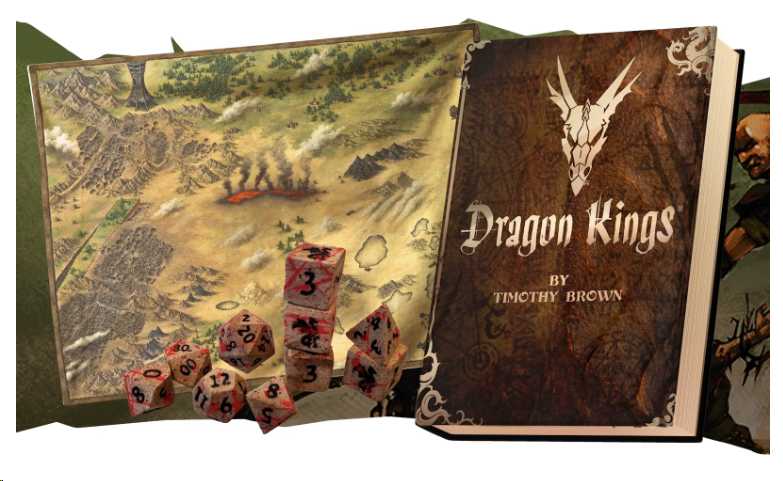
The Dawnblade Ceramic Dice Set captures that duality perfectly—radiant on the surface, shadowed beneath—mirroring a paladin whose public faith masks private devotion.
Use your spell selection to support your hidden goals without being obvious. Locate Object helps find what you’re really searching for. Zone of Truth lets you control interrogations to protect your secrets while appearing helpful. Sending allows you to maintain contact with your secret allies without arousing suspicion.
Your Divine Smite is a roleplaying opportunity, not just a damage spike. When you dump multiple spell slots into smiting a particular enemy, that shows emotional investment. Maybe your companions notice you’re especially vicious toward certain enemy types. That’s narrative data they can puzzle over.
When to Reveal Your Secret
The best reveals happen organically through play, not planned dramatic speeches. Your secret should come out when it creates maximum dramatic impact—usually when it forces a decision or explains past behavior that confused your party.
Watch for moments when revealing your secret helps the party rather than just gratifying you as a player. If your hidden knowledge about the BBEG’s identity would save lives, that’s the time. If revealing your noble connections opens a door your party desperately needs, the secret serves everyone’s story.
Partial reveals work better than full exposure. Admit you’re hunting someone without explaining why. Acknowledge your secret connections without detailing their full scope. This lets you be more honest with your party while maintaining narrative tension about the deeper truth.
Managing Party Trust and Table Dynamics
Some tables love intrigue and hidden agendas. Others prefer straightforward cooperation. Gauge your group before committing to a complex secret. Talk with your DM about how much concealment they’re comfortable with and how it might integrate with the campaign’s main plot.
Your secret shouldn’t make other players feel excluded or manipulated. The difference between good intrigue and bad secrets is whether everyone’s having fun with the mystery. If you’re concealing information to gain advantage over other players rather than to enrich everyone’s story, you’re using secrets wrong.
Be willing to fail at keeping your secret. Some of the best paladin moments come when their hidden agenda is exposed at the worst possible time. That’s drama, not disaster. If you’re attached to keeping perfect control of your secret’s reveal, you’re not really playing—you’re performing a script.
Mechanical Considerations for Secret Agendas
Your paladin abilities remain effective regardless of your hidden motives, but some features synergize better with secrets. Aura of Protection works normally—you’re still defending your party even while pursuing hidden goals. Divine Health means you can’t be diseased, which matters if your secret agenda involves investigating plague cults or similar threats.
Access to Find Steed at 5th level gives you a companion who knows your secrets and can’t betray them. Your mount becomes a literal confidant. Find Greater Steed at 13th level provides flying mobility for pursuing your agenda independently when needed.
Your spell list includes several options that help maintain secrets. Detect Magic identifies magical surveillance. Lesser Restoration removes conditions that might compromise you. At higher levels, Greater Restoration can remove geas effects if your secret agenda involves escaping magical compulsion.
Playing a Paladin with Secret Agenda Long-Term
Most secrets have a shelf life. Either the truth emerges through play, or maintaining the secret becomes more trouble than it’s worth. Plan for your secret’s eventual exposure and think about what your paladin does afterward. Do they seek forgiveness? Double down on their hidden mission? Find that their party accepts them despite (or because of) their complexity?
The best paladin secret agendas enrich your character rather than defining them. Your paladin is more than their hidden motive. They still fight for their oath, protect their companions, and embody divine power. The secret adds dimension—it doesn’t replace their core identity.
As campaigns progress, secrets tend to matter less than relationships. Your paladin’s hidden agenda might have brought them to the party, but the bonds they form become more important than their original mission. That evolution from secret-keeper to genuinely open companion creates satisfying character growth.
Most tables running multiple campaigns appreciate having the Bulk 10d10 Assorted Ceramic Dice Set on hand for quick character builds and midcampaign additions.
Playing a paladin with hidden depths means managing a constant tension between secrecy and team functionality. You hide enough to maintain mystery, reveal enough to stay trustworthy, and pursue your goals without torpedoing the party’s mission. Get this balance right and you’ve created something rare: a paladin character who feels genuinely conflicted rather than cardboard, someone whose conviction includes just enough contradiction to be believable.