How to Build a High-Stakes Rogue for D&D 5e
Rogues hit their stride when everything’s on the line. A failed infiltration means the entire heist unravels. A missed trap disarm costs lives. A botched intelligence run exposes the party’s position. In campaigns where consequences bite hard, rogues become essential—their ability to slip through danger, solve problems under pressure, and disappear when plans collapse makes them invaluable when the stakes are genuinely high.
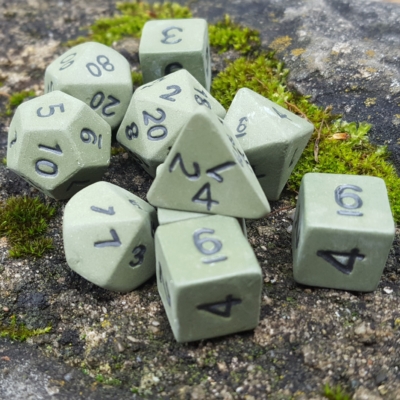
When rolling for those crucial skill checks that define your rogue‘s reputation, many players swear by the Assassin’s Ghost Ceramic Dice Set for its reliable feel.
What Makes a High-Stakes Rogue Build Work
High-stakes play isn’t about more damage or bigger hit points. It’s about capability under pressure—having the right tools for critical moments and the skills to turn bad situations salvageable. A rogue built for high-stakes scenarios needs three things: reliable skill proficiency for clutch checks, mobility to escape death traps, and enough survivability to take a hit when stealth fails.
Unlike combat-optimized rogues focused purely on Sneak Attack damage, a high-stakes rogue spreads investment across skills, positioning tools, and defensive options. You’re the character who succeeds on the Perception check that reveals the ambush, makes the Thieves’ Tools check to open the locked door while guards approach, or talks the party out of execution with a desperate Deception roll.
Core Stat Priority
Dexterity remains essential—it affects your attack rolls, AC, initiative, and most important rogue skills. Aim for 16-18 at character creation, pushing toward 20 by level 8. Intelligence comes second for Investigation checks and knowledge skills that prevent walking into traps. Wisdom provides crucial passive Perception and Insight—skills that keep you alive when the DM asks for surprise rolls.
Constitution deserves third priority. High-stakes scenarios often mean you can’t avoid all damage, and going down during a critical skill challenge or chase scene ends badly. A 14 Constitution gives you enough buffer to survive when things go sideways.
Choosing Your Rogue Archetype
Your subclass choice dramatically affects how your rogue handles pressure situations. Not all archetypes suit high-stakes play equally—some excel at social infiltration while others dominate dungeon delving or information gathering.
Arcane Trickster
The Arcane Trickster brings magical utility that solves problems pure skill can’t handle. Mage Hand (Legerdemain) lets you disarm traps, steal keys, or create distractions from 30 feet away—invaluable when entering a room means triggering an alarm. Find Familiar provides scouting and help actions for crucial checks. Invisibility gets you past patrols that no Stealth check could beat.
The trade-off is slower Sneak Attack progression and action economy pressure. You’re weaker in straight combat, but high-stakes scenarios reward clever spell use over damage output. Spells like Disguise Self, Charm Person, and Misty Step give you options when skill checks alone won’t suffice.
Inquisitive
Inquisitive rogues excel at gathering information and reading situations—critical in social intrigue and mystery-solving campaigns. Ear for Deceit gives advantage on Insight checks to detect lies, while Eye for Detail lets you use Perception or Investigation as a bonus action during tense moments.
Steady Eye (11th level) provides advantage on Perception and Investigation checks if you don’t move—perfect for carefully examining trapped mechanisms or searching for hidden documents under time pressure. This subclass shines when the stakes involve uncovering conspiracies or navigating political intrigue rather than pure action sequences.
Mastermind
The Mastermind focuses on team coordination and social manipulation. Master of Tactics lets you grant advantage with Help as a bonus action from 30 feet away—useful when the wizard needs to land a crucial control spell or the bard must succeed on a pivotal Persuasion check.
You gain proficiency with disguise kits, forgery kits, and two languages, plus you can mimic speech patterns after one minute of listening. This toolkit makes you exceptional at impersonation-based infiltration. The subclass works best when high stakes mean social consequences rather than immediate combat threats.
Scout
Scouts provide superior mobility with Skirmisher, letting you move up to half your speed as a reaction when enemies end their turn within 5 feet. This keeps you mobile during chases, lets you reposition during combat without burning actions, and helps you avoid area effects.
Superior Mobility increases your walking speed by 10 feet, and you gain proficiency in Nature and Survival—useful in wilderness campaigns where high stakes involve navigating hostile terrain or tracking dangerous quarry. This subclass excels when high-stakes situations involve movement and positioning rather than social skills or magic.
Essential Skills for High-Stakes Scenarios
Skill selection matters more for high-stakes rogues than most character types. With Expertise, you’re expected to succeed on critical checks—the kind where failure derails missions or gets characters killed.
Take Stealth and Thieves’ Tools expertise first. These come up constantly in infiltration scenarios and dungeon delving. Stealth keeps you hidden during reconnaissance; Thieves’ Tools open locks and disarm traps under pressure.
For your second pair of Expertise choices at 6th level, consider Investigation and Perception. Investigation spots hidden mechanisms, analyzes clues, and searches for concealed documents. Perception determines initiative order and spot checks—failing to notice ambushes ruins careful plans.
Other valuable skills include Sleight of Hand for stealing keys or planting evidence, Deception for maintaining cover identities, and Insight for reading NPC intentions. Avoid spreading too thin—specialize in your role’s core competencies rather than being mediocre at everything.
Feat Selection for Pressure Situations
Ability score increases compete with feats for precious resources. For high-stakes rogues, some feats provide capabilities that raw stats can’t match.
Alert
Acting first in combat often determines success or failure in high-stakes encounters. Alert gives +5 to initiative, prevents surprise, and stops hidden enemies from gaining advantage against you. Going early lets you control the battlefield before enemies act—Hiding, repositioning, or taking out priority targets.
The no-surprise benefit is invaluable. Ambushes happen frequently in high-stakes campaigns, and being caught flat-footed often proves fatal. Alert ensures you can react even when caught off-guard.
Lucky
Lucky feels like cheating—which makes it perfect for high-stakes play. Three rerolls per long rest turn critical failures into successes. When the DM asks for that crucial Stealth check to sneak past the throne room guards, Lucky lets you reroll a natural 2. When the villain’s attack would drop you during a desperate escape, Lucky turns the hit into a miss.
Save Lucky for genuinely critical moments. Don’t waste it on routine skill checks or minor combat rounds. Reserve it for situations where failure means capture, death, or mission failure.
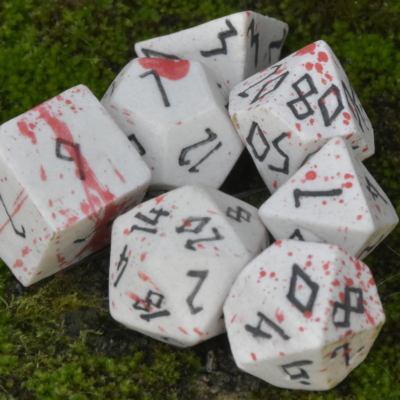
The memento mori aesthetic of the Skeleton Ceramic Dice Set resonates with rogues who embrace the darker aspects of their profession and mortality’s constant presence.
Mobile
Mobile increases your speed by 10 feet and lets you avoid opportunity attacks from enemies you’ve attacked. This transforms your hit-and-run tactics, letting you dart in for Sneak Attack then escape without provoking reactions. The speed increase helps during chases and positioning.
This feat particularly suits Scouts and melee rogues who need to engage and disengage rapidly. Combined with Cunning Action, you become nearly impossible to pin down or corner.
Observant
Observant increases Wisdom or Intelligence by 1 and adds 5 to passive Perception and Investigation. These passive scores matter enormously in high-stakes play—they determine whether you notice traps, spot tails during urban adventures, or realize someone’s lying during tense negotiations.
A passive Perception of 20+ means you rarely miss hidden threats. Combined with Perception expertise, you become nearly impossible to surprise or deceive visually. The half feat makes it efficient to take while pushing Wisdom toward even numbers.
Building for Rogue Survivability
High-stakes rogues can’t afford to go down during critical moments. While you’ll never match fighter durability, several options improve your staying power.
Uncanny Dodge and Evasion
These class features form your defensive foundation. Uncanny Dodge (5th level) halves damage from one attack per round as a reaction—essential when enemies land critical hits or high-damage strikes. Use it against the biggest threat each round.
Evasion (7th level) turns Dexterity saving throws into damage mitigation tools. Fireballs, dragon breath, and trap effects deal half damage on failed saves and zero on successes. This keeps you functional in area-effect situations that would cripple less agile characters.
Defensive Equipment
Studded leather armor provides AC 12 plus Dexterity modifier—respectable but not exceptional. Look for magical armor improvements. +1 studded leather bumps AC to 18 with 16 Dexterity, making you meaningfully harder to hit.
Consider multiclassing one level into Fighter or Ranger for medium armor and shields if your campaign provides little magical light armor. This costs you Rogue capstone features eventually, but AC 19+ keeps you alive through more encounters. The trade-off only makes sense in campaigns where equipment advancement is limited.
High-Stakes Rogue Tactics During Play
Building the character provides tools—playing them well determines outcomes.
Reconnaissance Before Commitment
Never enter a situation blind if you can help it. Scout locations before attempting infiltrations. Use Stealth to observe patrol patterns, guard rotations, and entry points. Knowledge prevents disasters—knowing there are three guards instead of one changes your approach entirely.
In dungeons, send Familiars or Mage Hands ahead to trigger traps safely. During social encounters, observe from a distance with high Perception to read room dynamics before joining conversations.
Cunning Action Discipline
Cunning Action (Hide, Dash, or Disengage as bonus action) defines rogue combat mobility. Hide after attacking to force disadvantage on enemy counterattacks and enable Sneak Attack next round. Disengage escapes melee without provoking opportunity attacks. Dash covers ground quickly during escapes or pursuits.
Avoid wasting Cunning Action on Dash when you could Hide. Staying unseen is usually better than moving faster. Use Dash during chases or when positioning matters more than defense.
Resource Management
High-stakes scenarios often involve limited rests. Manage per-rest resources carefully. Save spell slots (for Arcane Tricksters) for crucial moments. Don’t burn Invisibility on routine scouting if Stealth will work. Reserve high-level spell slots for emergencies that skill checks can’t solve.
Coordinate with your party on resource expenditure. Sometimes burning a spell slot to avoid a dangerous combat encounter saves more resources than fighting through it.
Race Selection for High-Stakes Play
Race affects both capabilities and roleplay options for high-stakes rogues.
Halfling
Lightfoot Halflings excel at stealth-based infiltration. Naturally Stealthy lets you hide behind larger creatures—including your own party members. Lucky (reroll natural 1s) prevents critical failures on crucial skill checks. Small size occasionally provides access routes that medium characters can’t use.
Half-Elf
Half-Elves provide the best skill versatility. You gain two extra skill proficiencies beyond class selections, letting you cover more bases. +2 Charisma helps with Deception, Persuasion, and Intimidation for social infiltration. Darkvision helps in low-light environments.
Variant Human
Variant Human gives a feat at 1st level—letting you take Alert, Lucky, or Observant immediately. This head start on crucial abilities makes you more competent from campaign start, which matters when high-stakes scenarios begin at low levels.
A 10d6 Assorted Ceramic Dice Set ensures you’re prepared for damage rolls, spell effects, or any situation requiring multiple dice without hunting through your collection.
Building Your High-Stakes Rogue Effectively
Building a rogue for high-stakes play means prioritizing what prevents disaster over what deals extra damage. Lock in expertise on Stealth, Thieves’ Tools, and Perception—these are your bread and butter. Arcane Trickster brings magical flexibility when you need it, Inquisitive cuts through deception and hidden information, Scout handles battlefield mobility better than most. Pick feats that keep you alive and effective: Resilience, Lucky, Sentinel, or Alert matter far more than +2 damage. Play patient, gather information before committing to risky moves, and your rogue becomes the party’s most reliable tool when the campaign’s outcome hangs in balance.