Running Urban Paladin Campaigns in D&D 5e
City campaigns pull paladins out of their comfort zone in ways that dungeons and forests don’t. When your paladin is navigating narrow streets, corrupt officials, and criminal networks instead of clearing rooms, you’re forced to rethink how their oath actually works. The real tension emerges when divine law clashes with local authority, or when glowing holy powers become a liability instead of an asset in situations demanding discretion.
Why Urban Settings Work for Paladins
The traditional paladin image involves gleaming armor and open battlefields, but cities provide richer opportunities for oath-driven roleplay. Urban environments force paladins to navigate gray areas: corrupt officials, unjust laws, organized crime with community ties, and innocent people caught in systemic problems. A paladin can’t simply smite their way through a crime syndicate when half the city depends on them for employment.
The confined spaces and civilian populations of cities also change combat dynamics. That Sacred Flame might work fine in a dungeon, but in a crowded marketplace with wooden stalls? Suddenly tactical thinking matters more than raw power. Urban paladins learn to use their Channel Divinity options creatively, relying on social skills and investigation as much as martial prowess.
Scourge Aasimar Traits for Urban Play
If you’re building a Scourge Aasimar paladin specifically for city campaigns, you’re working with some powerful but conspicuous abilities. The Radiant Consumption feature deals damage to creatures within 10 feet—excellent for controlling choke points in tight urban spaces like alleyways or stairwells, but problematic when you’re trying to keep a low profile. That radiant light isn’t subtle.
The Healing Hands ability becomes more valuable in cities where you can’t always rest safely. Being able to heal an ally for your level in hit points without spending spell slots matters more when you’re operating in hostile territory for extended periods. Light Bearer gives you a useful utility cantrip, and Celestial Resistance to necrotic and radiant damage serves you well against both undead threats in city crypts and celestial-touched enemies.
The real standout for urban campaigns is Darkvision. Cities don’t shut down at night—the criminal element thrives in darkness. Being able to see in dim light and darkness gives you operational advantages whether you’re patrolling rough districts or investigating warehouse smuggling operations.
Building an Urban Paladin Campaign Structure
Urban adventures need different pacing than traditional dungeon crawls. Instead of discrete locations with clear objectives, cities present layered problems where one investigation leads to another. Structure your campaign around districts rather than dungeons. The merchant quarter has one set of conflicts, the docks another, the noble estates something entirely different.
Start small with local problems. A protection racket targeting local businesses. Disappearances in a specific neighborhood. Tainted goods being sold at market. These street-level adventures let players learn the city’s geography and factions before escalating to larger threats. A paladin investigating why shopkeepers are paying “insurance” to thugs might uncover connections to a corrupt city guard captain, which ties to a cult operating in the catacombs beneath the city.
Urban Encounter Design
Combat encounters in cities require careful consideration of collateral damage and witnesses. That fireball-happy wizard can’t just cut loose when there are civilians everywhere. For paladins specifically, this creates interesting ethical questions about proportional response. Use of lethal force in an urban setting has consequences—guards respond to violence, witnesses testify, and families of even evil NPCs might demand justice.
Design encounters with environmental factors that matter. Rooftop chases where Athletics and Acrobatics checks matter as much as attack rolls. Fights in crowded market squares where innocent bystanders complicate targeting. Ship-to-ship combat at the docks. Sewer pursuits where disease and poor footing create additional hazards. Urban environments offer vertical space—use it. Multi-level encounters with enemies on balconies, firing from windows, or dropping down from above create tactical complexity.
Social encounters should be equally important as combat. Interrogating suspects, negotiating with guild leaders, gathering information from informants, attending noble courts—these scenes let paladins use Charisma-based skills. A paladin with Divine Sense can detect fiendish or undead presence during social situations, potentially exposing hidden threats at diplomatic functions.
Oath Complications in Urban Settings
City law and paladin oaths don’t always align. This tension creates compelling roleplay. An Oath of Devotion paladin who swears to protect the weak might discover the city guard enforces laws that harm poor citizens. An Oath of Vengeance paladin tracking a murderer might find the killer is protected by powerful nobles. Oath of the Crown paladins face the opposite problem—what happens when their sworn loyalty to law conflicts with obvious injustice?
Use these conflicts deliberately. Present situations where following the oath creates problems. A corrupt judge demands the paladin turn over a refugee family to be deported to certain death—technically legal, clearly wrong. Thieves stealing from wealthy merchants to feed orphans. A crime boss who runs the only soup kitchen in the slums. Urban settings excel at moral complexity.
Divine Sense in Investigation
Divine Sense becomes an investigation tool in cities. Use it to detect hidden celestials, fiends, or undead during investigations. That respected merchant advisor might ping as a devil in disguise. The kindly priest running the orphanage could be an undead creature. This ability gives paladins unique investigative capabilities other classes lack, but it requires deliberate use—players need to actively declare they’re using it, and it has limited uses per long rest.
Recommended Paladin Build Elements for Urban Play
Stat priority for urban-focused paladins differs slightly from dungeon crawlers. Charisma remains critical—it powers your spells and Channel Divinity, but it’s also your social interaction stat. In cities, you’ll make as many Persuasion and Intimidation checks as weapon attacks. Strength or Dexterity both work, but Dexterity offers benefits for stealth-based infiltration missions that cities frequently require.
Constitution matters as always, but Intelligence and Wisdom deserve more attention in urban campaigns. Investigation checks to gather clues, Insight checks to detect lies, Perception checks to spot surveillance—these skills come up constantly. Consider taking proficiency in Investigation or Insight if your background allows it.
Feat Recommendations
Observant increases Passive Perception and Passive Investigation by 5, making you more likely to notice important details without rolling. In urban environments where clues might be subtle—a specific guild symbol carved into a doorframe, someone following your party—this passive boost matters. The +1 to Wisdom or Intelligence is useful too.
Alert prevents surprise and gives bonus to initiative. Urban encounters often involve ambushes—enemies attacking from alleys, assassins striking in crowds. Being able to act first in these situations can save lives. The inability to be surprised means you’re always ready, appropriate for a vigilant paladin patrolling dangerous streets.
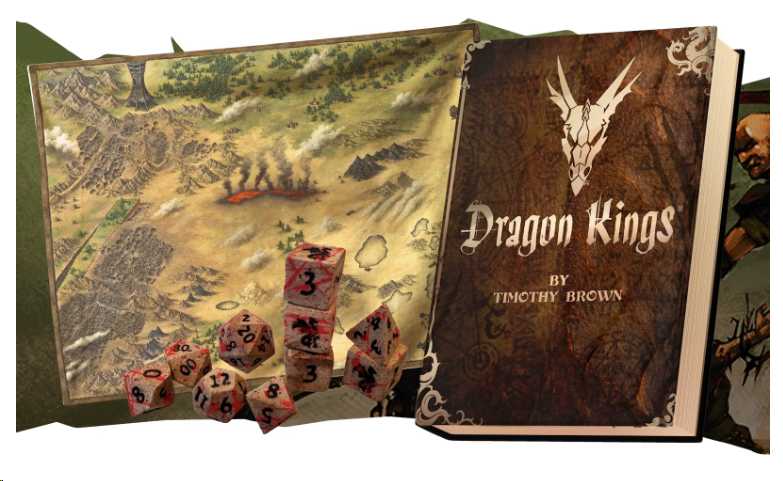
The radiant theme of oath-driven paladins pairs naturally with a Dawnblade Ceramic Dice Set, whose luminous aesthetic captures divine power at the table.
Resilient (Wisdom) shores up a weak save while giving +1 Wisdom. Many urban threats use enchantment magic or fear effects. Crime bosses might employ spellcasters who use Charm Person or Suggestion to manipulate investigations. Being able to resist these effects keeps you effective.
Actor provides +1 Charisma plus advantage on Deception and Performance checks when impersonating others. Urban campaigns often involve going undercover. A paladin who can disguise themselves and convincingly play a role gains access to locations and information otherwise unavailable. Just ensure your DM is comfortable with paladins using deception—some oaths handle this better than others.
Urban Paladin Background Choices
City Watch background makes obvious sense—you have connections within law enforcement, understand legal procedures, and can leverage official authority. The skill proficiencies (Athletics and Insight) suit paladin needs. The Watcher’s Eye feature lets you find guard posts and understand local laws, both valuable for urban operations.
Faction Agent represents membership in an organization operating within the city. This might be a temple, thieves’ guild (for paladins willing to work in gray areas), or secret society. The built-in connections provide adventure hooks and support. Skills include Insight plus one chosen Intelligence skill—take Investigation for detective-style paladins.
Urban Bounty Hunter focuses on tracking people through cities. Skills include two from Deception, Insight, Persuasion, and Stealth. The Ear to the Ground feature helps locate people and rumors. This suits Vengeance paladins hunting specific targets through urban environments.
Noble or Knight backgrounds work for paladins operating in high society. You have access to noble circles, understanding of heraldry and protocols, and Position of Privilege that grants audience with nobles and officials. This opens political intrigue storylines. Persuasion and History proficiencies support diplomatic approaches.
Urban-Specific Paladin Spells
Certain paladin spells prove particularly valuable in city campaigns. Zone of Truth excels during investigations and interrogations—though subjects can refuse to speak, they can’t lie. This cuts through layers of deception common in urban intrigue. At 2nd level, it’s available early enough to use frequently.
Locate Object helps track stolen goods, find hidden evidence, or follow magical items through the city. The 1,000-foot range covers multiple city blocks. This investigation tool solves problems that pure combat can’t address.
Lesser Restoration removes diseases—important in crowded urban environments where plague can spread. It also cures blindness, deafness, paralysis, and poison, all common afflictions in cities with higher population density.
Aura of Vitality provides significant healing (2d6 per round for 1 minute) without requiring concentration on maintaining it while outside combat. In urban campaigns where you might face multiple encounters before resting, efficient healing resource management matters more.
Higher Level Urban Options
At higher levels, Dispel Magic lets you counter enemy spellcasters common in urban crime syndicates and political manipulation. Remove Curse frees victims of magical coercion—a recurring theme in cities where access to magic might be more common than wilderness areas.
Find Steed or Find Greater Steed provides mounted mobility. Cities often sprawl across large areas, and having a mount cuts travel time significantly. Work with your DM on stabling and urban riding rules—some cities might prohibit riding in certain districts.
Running This Urban Paladin Campaign
Success with city-based adventures requires embracing investigation and social interaction as much as combat. Give your paladin chances to use their full skill set. Include diplomatic missions to noble courts, investigations requiring Divine Sense and spell utility, and yes, combat encounters—but make sure those fights have stakes beyond simple tactical challenges.
Cities provide persistent locations. The tavern where your party gathers becomes familiar. The blacksmith who repairs your armor remembers you. The street urchins who serve as informants develop relationships with characters. This permanence creates investment that dungeon crawls often lack. When enemies threaten the city, the threat feels personal because your paladin has connections there.
Use the Scourge Aasimar’s celestial heritage to create story hooks. Perhaps their radiant nature attracts both divine attention and those who hunt celestial-blooded individuals. Maybe cults seek to capture them for rituals, or a celestial patron has specific missions within the city. These personal storylines interweave with the larger urban campaign, giving the character spotlight moments.
A 10d6 Assorted Ceramic Dice Set handles everything from fireball damage to crowd control effects in densely populated city encounters.
Urban paladin campaigns succeed when you treat cities as problems that swords can’t solve outright. An oath gives direction, spells and smites give tools, but the city itself demands your paladin learn its power structures, forge connections with its inhabitants, and wrestle with genuine moral ambiguity. That’s where the best stories live—in the friction between unwavering conviction and a world too complicated for simple answers.