Playing a Tiefling Warlock: Navigating Moral Complexity in D&D
Playing a tiefling warlock means building a character caught between three competing forces: the prejudice that comes with infernal blood, the demands of a patron whose goals might clash with your own, and the constant question of who you actually are beneath those external pressures. This setup creates natural friction that can fuel genuinely compelling roleplay, but it also requires you to make deliberate choices about your character’s identity rather than defaulting to stereotype.
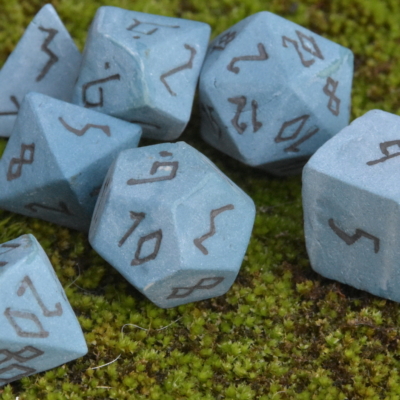
The moral ambiguity of a warlock’s pact pairs well with dice that carry darker aesthetics, much like how a Necromancer Ceramic Dice Set reinforces themes of binding contracts and otherworldly power.
The question isn’t whether your tiefling warlock is good or evil—it’s how they navigate a world that’s already decided based on horns and hellish contracts.
Why Tiefling and Warlock Create Moral Tension
Tieflings carry the visible markers of infernal ancestry. Horns, tails, unusual skin tones, and eyes that glow like embers make it impossible to hide what you are. In most campaign settings, this means suspicion, prejudice, and assumptions about your character before you’ve done anything to earn them. People expect you to be deceitful, power-hungry, or outright evil.
Warlocks complicate this further. Your power comes from a pact—a bargain struck with a being whose own morality exists on a completely different scale than mortal concerns. Whether you’re bound to a Fiend, Great Old One, Archfey, Celestial, or Hexblade, that patron has wants, and you’re the instrument through which they act in the material world.
Put these together and you have a character who’s already fighting against others’ expectations while also bound to serve an entity that may push you toward actions you wouldn’t otherwise take. That’s the core of the moral complexity: are you defined by what others think you are, by what your patron demands, or by the choices you make despite both?
The Tiefling Warlock’s Moral Compass in Practice
The mechanical side is straightforward. Tieflings get +2 Charisma and +1 Intelligence, making them excellent warlocks from an optimization standpoint. Darkvision, fire resistance, and the racial spells from Infernal Legacy all support the class mechanically. But the real depth comes from how you answer fundamental questions about your character’s morality.
What Was the Pact?
Understanding why your character made their pact is essential. Was it desperation—a dying moment where any offer of salvation seemed worth the price? Was it ambition, a calculated decision to gain power others denied you? Was it manipulation, where you thought you were getting something harmless and realized too late what you’d agreed to? Or was it inheritance, a pact passed down through your bloodline that you never chose at all?
Each answer shapes how your character views their own morality. A desperate pact made under duress creates a character who might resent their patron and struggle against the terms. An ambitious pact suggests someone who knew the risks and accepted them, creating a more pragmatic moral outlook. An inherited pact creates someone navigating obligations they never wanted, potentially trying to find loopholes or redemption.
Who Is Your Patron?
Fiend patrons are the obvious choice for tieflings thematically—it completes the infernal package. But that’s also playing into exactly what everyone expects, which might not be the most interesting choice. A tiefling bound to a Celestial patron creates immediate tension: are you trying to redeem your bloodline, or is this celestial being using you as a weapon precisely because others won’t see it coming? A Great Old One patron suggests your character made a deal with something that doesn’t even understand morality as mortals conceive it, which creates entirely different problems.
Your patron’s nature determines what they’ll ask of you and how much moral flexibility you’ll need to maintain the pact while staying true to your own principles—if you even can.
What Lines Won’t You Cross?
Every character needs boundaries, especially morally complex ones. Does your tiefling warlock refuse to harm innocents, even if the patron demands it? Will you lie and manipulate but never kill? Or have you decided that survival and power matter more than squeamishness about methods?
Establishing these lines early gives you guideposts for roleplay decisions and creates natural conflict when your patron, your party, or the situation pushes against them. The most compelling moments come when you’re forced to choose between bad options—honor your pact or protect someone you care about, serve your patron’s long-term goals or help your party right now, maintain your moral principles or survive.
Subclass Choices and Moral Implications
Your warlock subclass isn’t just mechanical—it shapes the entire relationship with your patron and what they expect from you.
The Fiend pact is the most straightforward for tieflings. Your patron is likely a devil (lawful manipulation through contracts) or demon (chaotic destruction and temptation). Devils offer clear terms and expect you to find creative interpretations; demons want carnage and corruption. Both present moral hazards, but in different ways. Playing a tiefling with a Fiend patron means either leaning into the infernal expectations or fighting against them, and there’s compelling roleplay in either direction.
The Great Old One pact removes conventional morality from the equation. Your patron doesn’t care about good and evil—it barely perceives you as a separate entity. This creates space for your character to define their own moral code because the patron won’t guide it, but it also means you’re channeling power from something utterly alien to mortal concerns. The moral complexity here comes from using that power while trying to stay human.
The Celestial pact inverts expectations entirely. A tiefling warlock bound to a celestial being is trying to overcome or redeem their heritage, but celestial patrons have their own agendas. They’re not necessarily benevolent, just aligned with different cosmic forces. You might be a weapon against fiends, or a test case to prove that even infernal-touched mortals can serve the light. Either way, you’re navigating assumptions from both sides—mortals who expect you to be evil, and celestials who expect you to prove you’re not.
The Archfey pact offers capricious morality. Fey operate on alien logic where cruelty and kindness are equally likely, and promises must be kept exactly as worded. A tiefling bound to an Archfey is playing a dangerous game of semantics and favors, where your moral choices might be dictated by ancient bargains you don’t fully understand.
The Hexblade pact focuses your story on a specific weapon and the entity bound within it. The moral complexity here is more personal—what does this weapon want, and what does wielding it cost you? A tiefling Hexblade might be trying to master a curse or legacy, turning something dark into a tool for their own purposes.
Building Moral Complexity Into Your Character
The mechanical optimization is simple: pump Charisma, take Agonizing Blast, choose Pact of the Tome or Chain based on your concept. But building a morally complex tiefling warlock requires more thought about character rather than stats.
Start with a clear understanding of who your character was before the pact. Were they good, neutral, or already morally flexible? Has the pact changed them, or does it just give them power to pursue what they already wanted? The distance between who they were and who they’re becoming is where the interesting roleplay lives.
Give your character relationships that complicate their choices. A family member they’re trying to protect, a mentor who believes in them despite everything, a community that rejected them but that they still care about—these create stakes beyond just serving your patron. When your patron wants something that threatens these relationships, you have actual moral dilemmas instead of just following orders.
Build in contradictions. Maybe your tiefling warlock serves a Fiend patron but refuses to participate in corrupting innocents. Maybe they’re bound to a Celestial but still use manipulation and deception as tools. Maybe they hate what they are but use their infernal heritage strategically. Real people contain contradictions; so should compelling characters.
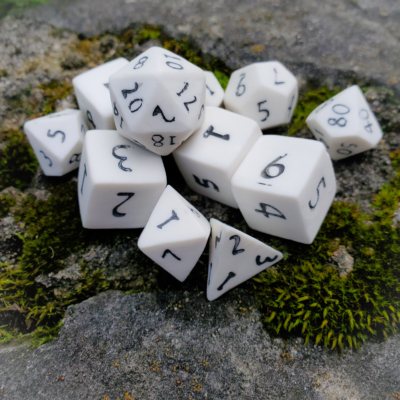
Many players find that rolling a Skeleton Ceramic Dice Set creates the right atmosphere when their warlock must decide whether to fulfill their patron’s increasingly sinister demands.
Recommended Backgrounds
Your background should reinforce the moral complexity you’re building. Charlatan works for a tiefling warlock who’s learned to use others’ assumptions against them—you’re already assumed to be deceitful, so why not profit from it? But that creates tension if you’re actually trying to be better than what people expect.
Folk Hero inverts expectations beautifully. A tiefling who earned genuine respect and gratitude from common people, then made a warlock pact, now has to navigate protecting those people while serving a patron who may not care about them. That’s built-in moral conflict.
Haunted One from Curse of Strahd gives you trauma that might explain the pact. You made a deal because something terrible happened, and now you’re living with both the trauma and the consequences of your choice.
Criminal or Criminal (Spy) variant establishes that your character already operated in moral gray areas before the pact, which creates different questions: did the pact make you worse, or just more powerful at what you already did?
Roleplaying Moral Choices at the Table
Theory is one thing; actual play is where your tiefling warlock’s moral complexity either enriches the game or creates problems. The key is making your character’s moral struggles enhance the story for everyone, not just spotlight-hogging drama.
Telegraph your character’s principles and boundaries early so other players understand what drives you. If your warlock won’t kill innocents but will manipulate and deceive, the party needs to know that. If you’re willing to do dark things for the right reasons, establish what those reasons are.
Make your patron’s demands concrete and occasional rather than constant and vague. Work with your DM to have the patron make specific requests—often at inconvenient times—that create actual choices. “Find this artifact” or “eliminate this person who knows too much” are better than vague feelings that your patron is displeased.
Give your character reasons to care about the party beyond utility. Moral complexity works best when you have people you’re trying not to disappoint or trying to protect. If your tiefling warlock is just cynically using the party, there’s no tension when you’re tempted to betray them. If they’re the first people who treated you like a person instead of a devil-touched warlock, suddenly those temptations mean something.
Common Pitfalls to Avoid
Don’t play the brooding loner who trusts no one. That’s boring and makes the party wonder why you’re even there. Moral complexity doesn’t mean refusing to engage with other characters.
Don’t make every decision a tortured moral crisis. Sometimes the choice is obvious, and your character makes it. Reserve the agonizing for situations that actually matter.
Don’t assume “morally complex” means “secretly planning to betray the party.” That’s not complexity, that’s just being disruptive. Moral complexity means your character has principles that sometimes conflict, not that they’re untrustworthy.
Don’t use your infernal heritage or patron as an excuse to be an asshole to other players. “It’s what my character would do” stops being a defense when it ruins other people’s fun.
Feats That Support Moral Complexity
Mechanically, certain feats reinforce the kind of morally complex tiefling warlock you’re building. Actor turns you into a master of deception and disguise, which supports a character who navigates the world through manipulation and misdirection. Combined with Mask of Many Faces invocation, you can be whoever you need to be—but each lie is a choice about who you’re becoming.
Fey Touched or Shadow Touched (from Tasha’s Cauldron of Everything) gives you additional spells and reinforces your connection to otherworldly forces beyond your patron. These create mechanical benefits while supporting the theme of a character touched by multiple sources of power.
Resilient (Wisdom) helps protect against the mind-affecting magic that often targets warlocks, but it also represents your character building mental defenses against manipulation—whether from enemies, your patron, or your own darker impulses.
Playing This Tiefling Warlock Build Across Campaigns
The moral complexity of a tiefling warlock adapts well to different campaign tones. In a gritty, low-magic setting, your pact might be the only significant magic anyone’s encountered, making you simultaneously powerful and terrifying. In high-magic heroic campaigns, you’re navigating being the dark mirror of more conventional heroes, trying to prove that power from questionable sources can still serve good ends.
Horror campaigns like Curse of Strahd play perfectly into tiefling warlock themes. You’re already dealing with darkness and moral compromise; placing that character in a setting that tests those compromises creates natural story progression.
Political intrigue campaigns let you use your Charisma and morally flexible methods to full effect, but they also create situations where your methods might achieve good ends through questionable means—classic moral complexity.
The key is working with your DM to ensure your character’s moral struggles contribute to the campaign rather than derail it. Your tiefling warlock’s journey should be about navigating difficult choices while still moving the story forward, not about stopping the game for solo philosophy debates.
A Single D20 Die Ceramic Dice Set serves as a reliable tool for those crucial moments when your character’s choices will define whether the world’s prejudices were ever justified.
The real payoff of a tiefling warlock comes from navigating these inherited tensions. Your character exists in the friction between what others assume about you, what your patron expects, and what your heritage seems to dictate—and that friction is where personality emerges. The best tiefling warlocks are the ones whose players lean into that conflict rather than trying to escape it.
Related Warlock Guides
- Building a Triton Warlock: Roleplaying Conflicts and Character Depth
- Best Backgrounds for Warlock in D&D 5e
- How to Run a Half-Elf Warlock as a Dungeon Master
- How to Run a Tiefling Warlock Campaign on a Budget
- How Warlock Backgrounds Fill Your Class's Skill Gaps
- How to Run a Half-Elf Warlock in Your D&D Campaign