Metal vs Plastic D&D Dice: Making the Right Choice
At some point, every D&D player has to decide between metal and plastic dice—and it’s a genuinely consequential choice. The material affects the tactile experience, the acoustics of the roll, and yes, how your table perceives your luck. Metal brings heft and ceremony; plastic offers affordability and durability. Each has real strengths, and knowing which fits your priorities will save you from buyer’s remorse down the line.
While metal dominates the conversation, the Dawnblade Ceramic Dice Set offers a middle ground with superior balance and aesthetic appeal that rivals both materials.
The Case for Metal Dice
Metal dice deliver an undeniable presence at the table. Typically crafted from zinc alloy, aluminum, or brass, these dice have substantial heft—usually weighing 3-5 times more than plastic equivalents. That weight translates to a satisfying tactile experience and a distinctive clatter when they hit the table. For players who value the physical ritual of rolling, metal dice provide sensory feedback that plastic simply can’t match.
Durability is another metal advantage. A quality metal set will last decades with minimal wear. The solid construction means no chipping paint or cracked edges after years of use. Metal dice also maintain their balance better over time since the material wears uniformly rather than developing the uneven surfaces that can affect plastic dice longevity.
The aesthetic options with metal are extensive. Manufacturers can achieve intricate engraving details, antique finishes, and embedded designs that would be impossible with plastic molding. Many metal dice feature sharp edges rather than rounded corners, which some players believe produces more random rolls (though the statistical difference is negligible for casual play).
Metal Dice Drawbacks
The weight that makes metal dice feel premium also creates practical problems. They can damage unprotected wooden tables, leather mats, and even glass surfaces. Most metal dice users invest in a padded dice tray or rolling mat—an additional expense. The loud clanging can also be disruptive during focused gameplay, particularly in smaller rooms or when other players are trying to concentrate on complex tactical decisions.
Cost is the other major factor. Quality metal dice typically run $25-60 per seven-piece set, compared to $5-15 for plastic. For players who enjoy collecting multiple sets to match different characters, that price difference adds up quickly.
The Advantages of Plastic Dice
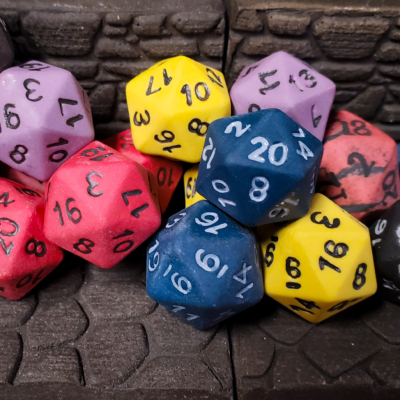
Plastic dice dominate the market for good reason—they’re practical, affordable, and remarkably versatile. Modern manufacturing techniques produce plastic dice in an astounding variety of colors, transparencies, and internal inclusions. Want dice that look like they contain miniature galaxies? Or sets that glow in the dark? Plastic makes these designs possible at accessible price points.
The lightweight nature of plastic dice is actually an advantage in many contexts. They won’t damage your gaming surface, they’re quiet enough for apartment play, and they’re easy to transport in bulk. Players who run games often keep multiple plastic sets on hand for lending to new players—an expensive proposition with metal dice.
Plastic dice also offer better readability in many cases. The contrast between the base material and the painted numbers tends to be sharper than engraved metal numbers, making them easier to read across a table or in dim lighting conditions. For players with vision impairments, high-contrast plastic dice are often the more functional choice.
Plastic Dice Limitations
The main drawback is longevity. Cheaper plastic dice can develop worn edges, faded numbers, and even internal cracks after heavy use. The paint on number faces chips away, sometimes making certain faces difficult to read. Balance can also become an issue as plastic dice age—if one face wears more than others, the die may develop a bias.
Plastic dice also lack the premium feel that many players associate with a serious hobby investment. There’s nothing inherently wrong with plastic, but it doesn’t convey the same sense of occasion when you’re rolling for a crucial saving throw.
For players building a necromancer or dark-themed character, the Blood Skeleton Ceramic Dice Set delivers thematic resonance without the durability concerns that plague painted plastic alternatives.
The D&D Dice Comparison: Which Material Fits Your Game?
The right choice depends on your specific gaming context. Consider these factors:
- Table surface: If you play on hardwood, glass, or other delicate surfaces without protection, plastic is the safer choice. Metal dice require a padded rolling surface.
- Noise sensitivity: Players in apartments, shared spaces, or groups with sensory considerations should lean toward plastic to minimize disruption.
- Budget: New players or those building multiple themed sets will find plastic more economical. Metal dice are better suited to players investing in a long-term primary set.
- Aesthetic priorities: If visual presentation and tactile experience enhance your enjoyment, metal dice deliver premium appeal. If functionality and variety matter more, plastic offers greater flexibility.
- Portability: DMs traveling to different locations or players attending conventions may prefer plastic for easier transport and lower risk if lost.
Alternative Materials Worth Considering
The metal-versus-plastic debate overlooks some interesting middle ground. Resin dice combine plastic’s lightweight properties with more premium aesthetics, often incorporating layered colors, glitter, or embedded objects. They typically cost $15-30 per set—between plastic and metal price points.
Stone dice (made from materials like obsidian, jade, or synthetic opal) offer natural beauty and substantial weight without metal’s hardness. They’re fragile and expensive, making them better suited to display or special occasions rather than regular use.
Wooden dice provide a warm aesthetic and moderate weight. They’re quieter than metal but more substantial than plastic, though they’re prone to denting and require occasional oiling to prevent cracking.
Practical Recommendations
Most experienced players eventually own both metal and plastic dice for different contexts. A practical approach might include:
One metal set for your main character or preferred class—something that feels special and suits your personal aesthetic. Pair this with a quality dice tray or rolling mat to protect your gaming surface.
Several plastic sets for variety, backup options, and different characters. Budget-friendly plastic dice let you theme sets to specific characters without significant investment. Keep these accessible for lending to new players.
Consider specialized dice for specific purposes: oversized dice for visibility in large groups, precision-edged dice for random number generation competitions, or themed sets that match your campaign setting.
The Bulk 10d10 Assorted Ceramic Dice Set serves as a practical solution for DMs managing spell effects and damage rolls across multiple dice pools.
Ultimately, the best dice are the ones that feel right to you and make your rolls feel like an event. Metal or plastic, cheap or premium—what actually matters is whether your dice become instruments of your table’s stories, collecting the weight of critical hits and catastrophic failures across countless sessions.