D&D Gift Ideas That Actually Matter to Players
Most D&D gifts end up forgotten within a month. The ones that stick around are the ones players actually reach for during sessions—dice they trust, notebooks that survive a full campaign, miniatures that matter. The difference between a gift that lands and one that misses comes down to solving something real at the table or connecting to a memory that shaped the game.
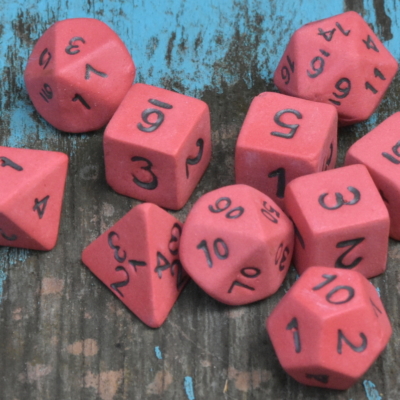
A Mocha Ceramic Dice Set strikes that balance between aesthetic appeal and genuine utility—the warm tones won’t clash with any table setup or character aesthetic.
What Makes a D&D Gift Worth Giving
The difference between a good D&D gift and a great one comes down to utility and meaning. A set of generic dice might get added to the collection, but a dice vault that protects a player’s lucky set—the one that rolled the natural 20 against the lich—becomes irreplaceable. Similarly, a random miniature might see occasional use, but a commissioned piece matching a beloved character becomes a campaign centerpiece.
Consider how the gift integrates into actual play. Does it solve a pain point? Players constantly lose track of spell slots, struggle with organization, or deal with cramped table space. Does it commemorate something meaningful? A framed map of a completed campaign world or art depicting a character’s defining moment carries weight no mass-produced item can match.
Dice-Related Gift Ideas Beyond Basic Sets
Every D&D player owns dice, but thoughtful dice accessories elevate the experience. Precision-milled metal dice offer satisfying heft and perfectly balanced rolls, though they require a padded rolling surface to protect tables and prevent deafening clatter. Gemstone dice carved from materials like obsidian, aventurine, or bloodstone become conversation pieces, though their fragility demands protective storage.
Dice storage solutions range from simple pouches to elaborate display cases. Wooden dice vaults with felt-lined interiors protect valuable sets while providing a dedicated rolling surface. Tower-style dice trays with leather or felt bases prevent dice from scattering across battlemaps while dampening noise—crucial for apartment gaming or late-night sessions.
For players who view dice as functional tools rather than collectibles, consider practical options: oversized d20s for advantage/disadvantage rolls, percentage dice for d100 tables, or color-coded sets organized by damage type. Some players appreciate dice labeled for specific purposes—inspiration dice, death saving throw dice, or dedicated wild magic surge dice.
Dice Accessories That Solve Real Problems
Dice trays with walls prevent wayward rolls from disrupting miniature positions. Dice towers provide automatic randomization for players who compulsively stack dice between throws. Portable dice holders with individual compartments organize multiple sets for players running complex spellcasters or multiclass builds requiring different die combinations.
Miniatures and Terrain for Tactical Play
Miniatures remain deeply personal gifts. Generic monsters work well—DMs always need more goblins, zombies, and guards—but character miniatures require careful consideration. Unless you’ve discussed specifics with the recipient, commission-based services or gift certificates for miniature painting let players choose exactly what they need.
Unpainted miniatures from lines like Reaper Bones or WizKids provide affordable options for DMs building encounter libraries. Pre-painted randomized miniatures offer surprise factor but risk duplicates. Specialty miniatures depicting specific monsters from published adventures (like mind flayers, beholders, or aboleths) fill gaps in most collections.
Terrain pieces transform combat encounters from abstract theater-of-the-mind to tactical showcases. Modular dungeon tiles, 3D-printed scatter terrain, or custom-built set pieces (taverns, wizards’ towers, throne rooms) provide reusable battle maps that enhance immersion. Dry-erase battle mats with gridlines remain workhorses for groups that prefer flexibility over fixed terrain.
Organizational Tools and Quality-of-Life Upgrades
The unsung heroes of smooth gameplay are organizational tools. Spell card decks eliminate constant rulebook flipping for casters. Condition rings or status tokens help track effects without cluttering character sheets. Initiative trackers—whether magnetic boards, numbered tents, or digital displays—prevent the endless “what’s my initiative again?” questions.
Screen upgrades benefit DMs specifically. Wooden DM screens with custom artwork, modular screens with removable panels, or landscape-oriented screens that don’t wall off the DM provide functional improvements over cardboard alternatives. Magnetic screens that hold reference sheets or initiative trackers combine form with function.
Character folios, binders, or portfolios protect character sheets while organizing spell cards, notes, and reference materials. Dry-erase character sheets allow easy tracking of temporary modifiers, current hit points, and spell slots without erasing permanent character details. For groups that play online and in-person, quality webcams with adjustable mounts or overhead camera rigs solve the hybrid gameplay challenge.
Books, Supplements, and Reference Materials
Adventure modules make excellent gifts if you know what the recipient already owns and what themes interest their group. Lost Mine of Phandelver suits new DMs, while Curse of Strahd or Tomb of Annihilation challenge experienced groups. Shorter adventures from third-party publishers on DMs Guild or Kickstarter provide fresh content without campaign-length commitments.
Sourcebooks expand player options. Xanathar’s Guide to Everything and Tasha’s Cauldron of Everything contain subclasses and rules variants most tables adopt. Setting books like Eberron: Rising from the Last War or Van Richten’s Guide to Ravenloft inspire campaigns even if not used directly.
Reference materials include monster stat card decks, condition reference sheets, or quick-reference guides for combat actions. Some players appreciate published setting guides for cities, planes, or factions even if their DM runs homebrew campaigns—they mine these for ideas and inspiration.
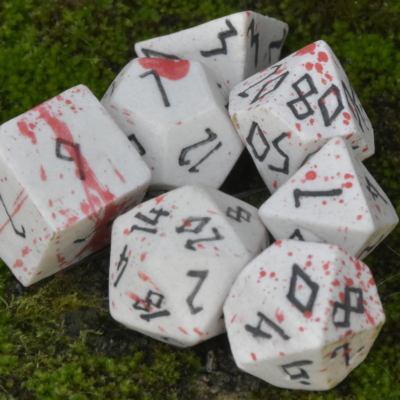
The Runic Duskblade Ceramic Dice Set resonates with players building dark or arcane-focused characters, where dice aesthetics actually reinforce the narrative weight of their choices.
Digital Tools and Subscriptions
Subscriptions to D&D Beyond unlock content across devices and enable easy character sharing. Digital map-making tools like Dungeondraft or Wonderdraft let DMs create custom battle maps and world maps. Virtual tabletop subscriptions (Foundry VTT, Roll20, or Fantasy Grounds) suit groups playing remotely or hybrid.
Commissioned and Personalized Items
Custom artwork depicting characters, parties, or memorable campaign moments creates lasting mementos. Commission prices vary dramatically based on artist experience and detail level, but even simple character portraits carry emotional weight. Discuss composition, character details, and references thoroughly with artists to ensure the final piece matches expectations.
Engraved items—dice boxes, DM screens, or coasters bearing campaign names or character quotes—personalize standard gaming accessories. Custom miniature commissions from sculptors or painters transform generic figures into exact character representations, though lead times often stretch months.
Campaign journals with embossed covers, leather-bound note-taking books, or custom-printed world maps commemorate ongoing adventures. For completed campaigns, bound printouts of session notes, character development arcs, or in-character correspondence preserve collaborative storytelling achievements.
Practical Gift Ideas for Different Player Types
DMs appreciate tools that reduce prep time or enhance encounters: pre-rolled initiative cards, monster reference sheets organized by environment, or dry-erase dungeon tiles that reconfigure quickly. Physical props like treasure chests, potion bottles, or sealed letter envelopes add tactile elements to narrative moments.
Tactical players value gridded maps, accurate miniatures, and measurement tools. Spell template sets showing cone, line, and radius areas eliminate arguments about area-of-effect positioning. Condition markers or status rings track multiple effects simultaneously without cluttering the battle map.
Roleplayers appreciate props that enhance immersion: character portrait commissions, in-world letters or documents, or themed dice matching character aesthetics (crimson dice for the paladin, bone-white for the necromancer). Quality notebooks for in-character journals or collaborative worldbuilding tools spark creative engagement between sessions.
Budget-Conscious Gift Options That Still Deliver
Not every meaningful gift requires significant investment. Printed character art from online artists, DIY dice trays constructed from picture frames and felt, or handwritten campaign recaps bound in inexpensive journals show thoughtfulness without financial strain.
Discount gaming stores and online marketplaces offer bulk miniature lots perfect for DMs building encounter libraries. Craft stores provide materials for homebrew condition tokens, initiative trackers, or spell counters at minimal cost. Digital gifts like curated playlists organized by scene type (combat, exploration, social) or compiled random encounter tables tailored to specific campaigns cost nothing but time.
Group gifts enable larger purchases: a Dwarven Forge terrain set, high-quality gaming table, or premium DM screen become affordable when multiple players contribute. Pool resources for commissioned artwork depicting the entire party or fund a professional session recording setup for posterity.
Gift Ideas That Respect Personal Style
Gaming preferences vary dramatically between individuals and groups. Some tables embrace tactical miniature combat while others prefer theater-of-the-mind narrative focus. Some players collect dice obsessively; others use the same worn set for decades. Successful gifts match the recipient’s actual play style rather than imposing a particular approach.
Observe what tools the recipient actually uses versus what sits unused. Do they constantly reference spell cards or prefer memorization? Do they protect their dice collection carefully or treat dice as disposable utilities? Do they arrive with organized notes or improvise entirely? These patterns reveal what gifts will see genuine use.
When uncertain, consumables provide safe options: notebook paper eventually fills, dice bags wear out, and dry-erase markers run dry. Gift certificates to gaming stores or online retailers let recipients choose exactly what they need without risking mismatched preferences or duplicate items.
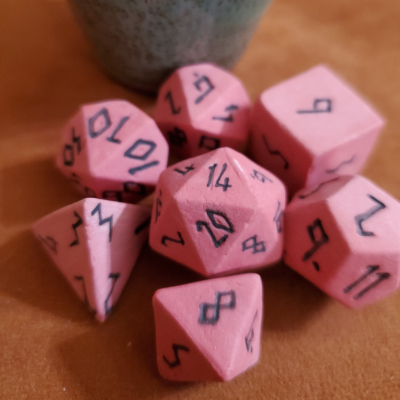
Every player eventually needs a backup d20, and the Single D20 Die Ceramic Dice Set serves that practical role without feeling like a consolation gift.
The gifts that resonate most acknowledge how someone actually plays, not just that they play. They’re useful enough to become part of the routine, personal enough to feel intentional, and thoughtful enough to show you understand what D&D means to them beyond the rulebooks.