10 D&D Gift Sets Worth Giving in 2024
Most D&D gift sets end up as shelf decoration—pretty boxes full of stuff that never makes it to the table. The real winners are the ones that solve actual problems: players who need better dice organization, DMs juggling too many notes, or groups tired of the same old character sheets. Picking a gift that gets used beats picking one that looks good in a photo every time.
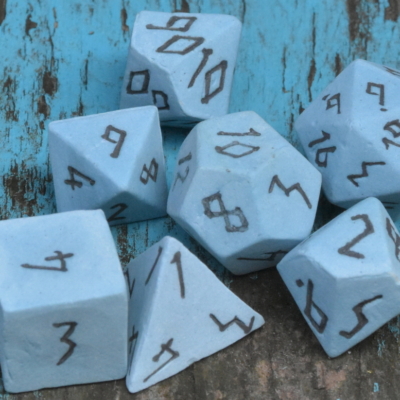
The Ancient Mariner Ceramic Dice Set brings cohesion to nautical campaigns, where thematic dice matter as much as the story being told.
The gift sets below represent gear that works across campaigns, from tools every DM wishes they had to player accessories that upgrade the experience without breaking immersion. No dice vaults shaped like dragons. No leather-bound journals that cost more than the Player’s Handbook. Just practical, table-tested gear that players and DMs actually want.
Why D&D Gift Sets Beat Single Items
The value of a curated gift set isn’t just convenience—it’s coherence. A good set anticipates what a player needs next. Someone buying their first metal dice set probably needs a dice tray too, but might not think to grab one. A new DM picking up their screen could use initiative trackers, but doesn’t know which ones won’t fall over mid-combat.
Quality gift sets solve the compatibility problem. Dice that match the tray. Miniatures scaled to work with battle maps. Spell cards organized by class and level. When components work together, they become part of the game’s flow instead of distractions from it.
The other advantage: gift sets signal that you understand the hobby. Giving someone a random d20 says “I know you play that dice game.” Giving them a matched set of tools says “I know what makes game night better.”
Complete Dice Collections
Most players own multiple dice sets, but few own a complete collection for a specific character concept. Sets built around themes—elemental damage types, character alignments, or classic fantasy aesthetics—give players options they wouldn’t buy themselves.
Look for sets that include full polyhedral sets (d4, d6, d8, d10, d%, d12, d20) with extras of commonly-rolled dice like d6s for fireball damage. Metal dice sets work well for players who want heft and permanence. Stone sets like obsidian or jade offer natural variation. Resin sets with suspended inclusions—flowers, glitter, tiny skulls—photograph well for social media without sacrificing readability.
The killer feature in any dice gift set: a proper storage solution. Dice bags work, but segmented boxes prevent the d4 caltrop problem and keep sets organized. Avoid anything without individual compartments unless the dice themselves are genuinely unique enough to justify loose storage.
What Makes Dice Sets Gift-Worthy
Color consistency matters more than most buyers realize. Sets where the d10 and d% are distinguishable at a glance prevent mid-session confusion. High-contrast numbering—white on black, gold on purple—beats aesthetic choices that sacrifice legibility.
Weight is preference, not quality. Some players prefer lightweight acrylics for speed. Others want metal dice that feel substantial. Neither is wrong. If you don’t know the recipient’s preference, mid-weight resin splits the difference.
DM Screen and Accessory Bundles
Every DM needs a screen, but standalone screens are just cardboard barriers. The best gift sets package screens with tools that live behind them: reference cards, initiative trackers, status effect markers, and page-flagged rule sections.
Customizable screens beat pre-printed ones for experienced DMs. Being able to slide in homebrew rules, custom tables, or campaign-specific notes makes the screen grow with the campaign. For newer DMs, screens with core rules printed directly on them reduce rules lookups that break pacing.
The accessories bundled with screens matter as much as the screen itself. Magnetic initiative trackers that stick directly to the screen keep turn order visible without eating table space. Dry-erase panels for quick notes eliminate scrap paper clutter. Dice trays that nestle against the screen base contain wayward rolls.
Essential DM Screen Features
Height determines what players can see. Screens tall enough to hide notes and maps work for home games. Screens that fold flat fit in bags for game shop sessions. Four-panel screens offer more reference space but eat more table. Three-panel screens balance portability with function.
Durability separates gift-quality screens from disposable ones. Reinforced corners prevent crease damage. Rigid materials hold up better than cardstock. Screens that survived being crammed in backpacks weekly for a year are the ones worth giving.
Battle Map and Marker Sets
Wet-erase battle maps are table staples, but most players own exactly one and never buy markers that don’t bleed or smear. Gift sets that pair large-format maps with actual wet-erase markers (not dry-erase markers that require scrubbing) solve a problem players don’t realize they have until mid-encounter.
Double-sided maps multiply utility. One side gridded for tactical combat, the other with hex patterns for wilderness travel or theater-of-mind scale. Rollable vinyl maps pack flatter than folding versions and don’t develop permanent creases.
Marker quality matters more than marker quantity. Four high-contrast colors (black, red, blue, green) that actually erase beat twelve markers where half leave ghost images. Include a microfiber cloth sized for the map. Paper towels work but leave lint.
Map Features That See Table Time
Grid scale determines compatibility. One-inch squares match standard miniature bases and official D&D modules. Smaller grids work for large-scale battles but create base-fitting problems. Larger grids suit narrative combat but lose tactical precision.
Material affects both performance and longevity. Vinyl resists tearing and lies flat. Laminated paper tears at edges and develops bubbles. Fabric-backed maps prevent slide but cost more. For gift sets, vinyl hits the sweet spot of durable and affordable.
Miniature Starter Collections
Individual miniatures are hobbies unto themselves. Miniature gift sets should focus on broad utility: common monsters, generic NPCs, and versatile player character options that work across campaigns.
Pre-painted miniatures eliminate the barrier of painting skill. Unpainted sets appeal to hobbyists but risk gathering dust for players who just want game pieces. If you don’t know whether the recipient paints, pre-painted is the safe choice.
Scale consistency matters. Official D&D miniatures follow standard 28-32mm scale. Mixing scales creates jarring size discrepancies on battle maps. Check scale specs, not just “heroic scale” marketing descriptions that mean nothing.
Versatile Monster Selection
The most-used monsters in D&D aren’t dragons or beholders—they’re goblins, guards, wolves, and skeletons. Gift sets built around encounter staples see table time in every campaign. Specialty sets with all demons or all dragons photograph better but sit in storage.
Multiple duplicates beat variety for common enemies. Six goblins enable actual goblin encounters. One each of six different monsters creates a storage problem without gameplay value. Look for sets that provide practical quantities of frequently-used creatures.
Spell Card Decks
Casters who flip through the Player’s Handbook for spell descriptions slow combat to a crawl. Organized spell card decks keep options visible and searchable without rules consultations.
Complete deck sets covering all spells for a class beat starter sets with partial listings. Having every wizard spell from cantrip to ninth level means the deck grows with the character. Partial decks require buying expansions that may not exist.
Card quality determines longevity. Standard playing-card stock shows wear after handling. Linen-textured cards resist edge damage. Oversized cards (tarot-sized) improve readability but require specialized storage. Standard poker size fits existing card boxes and sleeves.
Organization That Works Mid-Game
Alphabetized decks sound logical but fail in play. Players don’t browse spells alphabetically—they grab their prepared spells at session start. Ring-bound cards or deck boxes with dividers by spell level match actual usage patterns.
Include material component reminders on cards. Yes, experienced players know fireball requires bat guano, but spell component details live in footnotes most players skip. Having costs and consumed components visible prevents mid-casting rules debates.
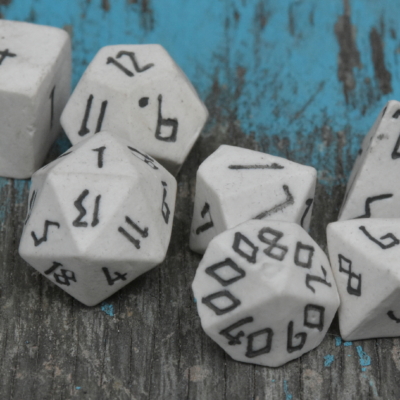
A Dawnbringer character demands equally radiant dice, and the Dawnblade Ceramic Dice Set matches that golden-hour aesthetic without sacrificing readability mid-roll.
Condition and Status Marker Sets
Tracking concentration, prone, frightened, and poisoned conditions with verbal reminders creates confusion three rounds into combat. Physical markers that attach to miniatures or sit on the battle map externalize status tracking.
Ring-style markers that slip over miniature bases work better than tokens that slide around. Color-coded rings for common conditions (red for bleeding, purple for poisoned) allow at-a-glance status checks. Include enough duplicates for mass debuff spells.
Dry-erase tokens with fillable labels beat pre-printed markers for flexibility. Being able to write “Hexed” or “Hunter’s Mark” covers conditions that vary by campaign. Permanent marker labels work once; dry-erase works forever.
Visibility on Crowded Maps
Markers need to be obvious without obscuring miniatures. Tall flags or status towers create visual clutter. Flat tokens underneath bases get lost under miniature feet. Base rings and collar markers stay visible while minimizing footprint.
Durability matters for components that get handled every turn. Plastic rings outlast paper tokens. Acrylic markers resist bending better than thin plastics. Status markers are cheap enough that durability should be baseline, not a premium feature.
Character Folio and Organization Sets
Loose character sheets, scattered spell cards, and orphaned index cards with character backstory notes describe most players’ organizational systems. Portfolio sets that consolidate character information into one location prevent mid-session paper hunts.
Purpose-built character folios include sections for spell tracking, inventory management, and note-taking alongside the character sheet pocket. Generic binders work but lack specialized organization for D&D-specific needs.
Dry-erase panels for frequently-changing stats (current HP, spell slots, inspiration) beat pencil tracking. Writing and erasing HP twenty times per session wears through paper. Dry-erase surfaces last indefinitely.
Features That Matter Long-Term
Size determines usability. Folios need to lie flat on tables without flopping closed. Spiral binding prevents flat-lying. Three-ring binders allow page reorganization but add bulk. Stitched binding creates slim profiles but locks page order.
Material quality separates long-term organizers from disposable folders. Faux leather resists spills and wear. Cardstock folders survive a few sessions. Reinforced corners prevent dog-earing. If someone’s using a character folio for a year-long campaign, it should survive the journey.
Dice Tray and Tower Combinations
Dice towers control chaos and add theater to rolls. Dice trays catch the chaos towers don’t prevent. Sets that integrate both solve the “where did that d4 go” problem.
Collapsible dice trays packed with foldable towers maximize portability. Rigid sets look impressive on game room shelves but don’t travel to friend’s houses. If the recipient plays at different locations, collapsible wins over aesthetic.
Sound matters more than most buyers realize. Loud dice towers disrupt RP-heavy moments. Felt or cork-lined interiors dampen sound. Wooden towers without lining echo. Test sound in product reviews before buying.
Design Elements That Add Value
Built-in storage for dice between sessions prevents setup time. Towers with internal compartments keep sets organized. Trays with segmented sections separate dice by type or character.
Aesthetic compatibility with existing gear helps gifts feel integrated rather than mismatched. Fantasy aesthetics (wood grain, leather, metal accents) suit traditional campaigns. Modern aesthetics (acrylics, geometric patterns) match contemporary play spaces. When in doubt, neutral materials like natural wood work everywhere.
Notebook and Journal Sets
Session notes scattered across digital docs, phone apps, and paper scraps describe most players’ records. Dedicated campaign journals consolidate notes into searchable formats that don’t require charged batteries.
Graph paper beats lined or blank for D&D purposes. Grids support map sketching, relationship diagrams, and spatial dungeon notes. Lined pages constrain drawing. Blank pages lack structure for organized note-taking.
Hardcover binding protects journals that get stuffed in bags weekly. Softcover notebooks cost less but show damage. For long campaigns, durable binding justifies premium pricing.
Organization Systems That Work
Tabbed sections for different note types (session summaries, NPC relationships, location details, plot threads) mirror how players actually reference notes. Chronological notebooks force flipping to find information buried ten sessions back.
Perforated pages support sharing notes with other players without destroying the journal. Being able to tear out a map sketch or NPC description to hand to the DM creates collaboration opportunities. Non-perforated pages trap information inside the notebook.
Reference Card and Rules Cheat Sheet Bundles
Looking up grapple rules for the fifteenth time kills momentum. Laminated reference cards for common rules interactions (conditions, cover, underwater combat) keep sessions moving.
Organize cards by usage frequency. Combat rules get referenced every session. Exploration and social interaction rules matter but don’t need prime placement. Cards sorted by access frequency beat alphabetical organization.
Include class-specific quick references for complex mechanics. Rage benefits for barbarians, wild shape beast stats for druids, spell slot tracking for warlocks. Generic references help everyone; specialized references help specific players excel.
Format That Enables Quick Reference
Credit-card sized references fit in wallets and deck boxes. Index-card sized references offer more information density. Bookmark-sized references slide into books but lack standalone utility. Match size to expected usage—wallet cards for every session, bookmarks for occasional lookups.
Waterproof lamination protects references from inevitable spills. Paper cards last exactly one spilled soda. Plastic protection adds trivial cost for permanent durability.
What Makes D&D Gift Sets Actually Useful
The difference between gift sets that see table time and gifts that collect dust comes down to integration. Individual components might be high quality, but if they don’t work together or with existing gear, they become storage problems rather than solutions.
The best D&D gift sets anticipate the next thing a player needs. Someone who owns basic dice benefits from premium materials or themed collections. A DM with a screen needs tools that enhance rather than duplicate what they already use. Players deep into a campaign want character-specific accessories, not generic gear.
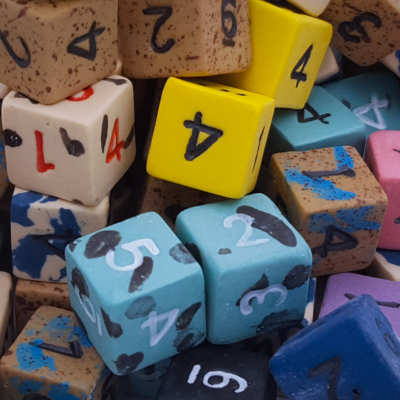
Any DM running multiple encounter tables needs bulk dice for NPC rolls, making the 10d6 Assorted Ceramic Dice Set a practical staple.
The gift sets that matter are the ones your players will actually reach for during sessions. If it doesn’t make running the game easier or more enjoyable, it doesn’t matter how nice it looks in the box. The best gift is one that becomes part of someone’s regular setup, not something they feel obligated to keep around.