Sustainable Gaming: Building an Eco-Conscious RPG Table
D&D tables generate surprising waste: plastic minis accumulate, character sheets pile up, dice bags get tossed, campaign notes sprawl everywhere. Most players never think about this until they’re staring at their fifth unopened set of metal dice or realizing they’ve printed the same character sheet format fifty times. The good news is that a genuinely sustainable setup doesn’t require compromise—it just requires being intentional about what materials actually need to hit your table.
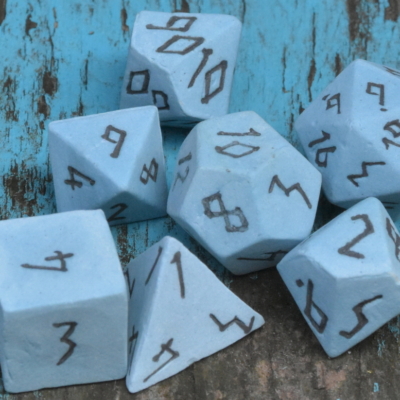
Ceramic dice like the Thought Ray Ceramic Dice Set represent the sustainability sweet spot—durable enough to survive decades of rolling without shedding microplastics.
The gaming industry has started responding to environmental concerns, and there are now genuine alternatives to the plastic-heavy status quo. This isn’t about virtue signaling or greenwashing—it’s about practical changes that reduce waste without compromising your game.
What Actually Makes Gaming Gear Sustainable
The term “eco-friendly” gets thrown around carelessly in product marketing, so let’s define what it actually means for RPG accessories. True sustainability in gaming products comes down to three factors: material sourcing, manufacturing impact, and end-of-life disposal.
Natural materials like wood, stone, metal, and ceramic have been used for gaming since ancient times. These materials are durable, biodegradable (in most cases), and don’t require petroleum-based production. A set of metal dice will outlast a dozen plastic sets, and stone dice have been recovered from archaeological sites thousands of years old—they don’t break down into microplastics in landfills.
Recycled materials offer another viable path. Dice made from recycled resin, character sheets printed on post-consumer recycled paper, and miniatures cast from reclaimed metals all reduce the demand for virgin materials. The key is verifying actual recycled content rather than just recyclability claims.
Dice: The Heart of Sustainable Gaming
Dice are the most iconic gaming accessory, and thankfully one of the easiest to make sustainably. While acrylic and resin dice dominate the market, they’re also the worst environmental offenders—most are petroleum-based plastics that will persist in landfills for centuries.
Metal dice offer the best combination of sustainability and durability. Zinc alloy, aluminum, and brass dice last indefinitely with proper care. They’re heavier, roll better, and develop character over time. The main drawback is surface wear—they can damage wooden dice trays and tables if rolled directly on them.
Stone dice provide another excellent option. Gemstone dice made from materials like obsidian, jade, or quartz are naturally occurring, require no synthetic production, and are genuinely heirloom-quality items. They’re expensive, but the cost reflects their durability and craftsmanship. Treat them carefully and they’ll outlast you.
Ceramic dice split the difference between affordability and sustainability. Clay-based ceramics are fired at high temperatures, creating a durable product from natural materials. They’re lighter than metal or stone but still substantial enough for satisfying rolls. Quality ceramic dice can handle decades of regular play.
Wood dice exist but aren’t particularly practical—they’re prone to chipping, wear unevenly, and don’t roll consistently due to wood grain density variations. They look beautiful in display cases but aren’t ideal for actual play.
Miniatures and Gaming Tokens
Miniatures present a tougher challenge. Most gaming minis are made from plastic (PVC or resin) or metal (typically pewter or white metal alloys). Neither option is particularly sustainable, but metal has the advantage of being recyclable and more durable.
Resin miniatures from 3D printers have become ubiquitous, but the environmental impact depends entirely on the resin used. Standard photopolymer resins are toxic and require careful disposal. Some manufacturers now offer plant-based or water-washable resins that reduce (but don’t eliminate) environmental concerns. If you’re printing your own minis, research the resin’s composition and disposal requirements.
The most sustainable approach to miniatures is simply buying less and buying better. A well-painted metal miniature you’ll use for years is more sustainable than a collection of plastic minis you’ll use once and forget. Consider using tokens, coins, or even chess pieces for generic enemies rather than accumulating dozens of goblin minis.
The Runic Assassin’s Ghost Ceramic Dice Set brings that ancient gravitas to your table, channeling the weight and permanence of materials rogues have favored for centuries.
Wooden tokens offer an excellent middle ground. Laser-cut wooden condition markers, status tokens, and generic creature markers are durable, attractive, and made from renewable resources. They work particularly well for theater-of-the-mind play or systems that don’t require precise positioning.
Character Sheets and Campaign Notes
Paper consumption at the gaming table can be staggering. Character sheets get reprinted with every level-up, campaign notes pile up, and spell cards multiply like rabbits. The solution isn’t eliminating paper—it’s being intentional about what you print and how.
Dry-erase character sheets eliminate most paper waste. Laminating a character sheet or using dry-erase sheet protectors means you can erase and update as needed. Several companies now produce reusable character folios with dry-erase surfaces specifically designed for popular RPG systems.
Digital tools reduce paper consumption dramatically. Tablet-based character sheets, digital dice rollers, and campaign management software eliminate most physical waste. The environmental impact shifts to electronic waste and energy consumption, which is a trade-off worth considering. A tablet used for years is probably more sustainable than reams of printed paper.
When you do print, use recycled paper and print double-sided. Most campaign handouts and reference sheets don’t need pristine white paper—recycled content paper works fine and costs about the same. Save the high-quality paper for maps and artwork you genuinely want to keep.
Dice Bags, Boxes, and Storage
Dice bags made from organic cotton, hemp, or recycled fabrics are widely available and functionally identical to synthetic options. Look for bags with drawstring closures rather than plastic zippers—they’re simpler, more durable, and easier to repair if they fail.
Wooden dice boxes and rolling trays are sustainable if made from responsibly sourced wood. Bamboo products work well because bamboo grows rapidly and regenerates after harvesting. Avoid exotic hardwoods unless you can verify sustainable forestry practices.
Leather products occupy an ethical gray area. Leather is durable and biodegradable, but comes with animal welfare concerns. Vegetable-tanned leather from byproduct hides (from meat production) represents a reasonable compromise—you’re using material that would otherwise be discarded. Avoid chrome-tanned leather, which involves toxic chemicals and creates disposal problems.
Building a Sustainable Gaming Table
The most sustainable gaming practice is simply taking care of what you own. A well-maintained set of dice, a properly stored miniature collection, and carefully preserved books last decades. The manufacturing impact of your gaming gear gets amortized over its useful life—extending that life is the single biggest sustainability improvement you can make.
Buy less, buy better, and buy used when possible. The secondhand RPG market is robust, and you can find excellent quality dice, books, and accessories at gaming stores, conventions, and online marketplaces. A used product has zero additional manufacturing impact.
Support small manufacturers who prioritize quality and sustainability over mass production. Many independent dice makers, miniature sculptors, and accessory crafters use sustainable materials and ethical production methods. Yes, they cost more—but you’re paying for longevity and responsible manufacturing.
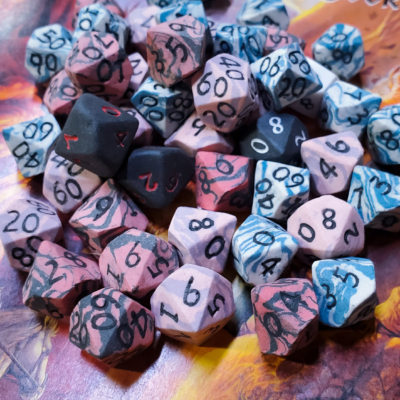
For most campaigns, the 10d6 Assorted Ceramic Dice Set handles your damage rolls and probability checks while requiring zero replacement over years of actual play.
You don’t need to overhaul everything at once. Pick one category that bothers you most—whether that’s switching to reusable dice bags, ditching printed character sheets for digital ones, or investing in metal dice—and start there. Every swap counts, and the cumulative effect of small changes across a gaming group adds up faster than you’d expect.