How to Play an Evil Half-Orc Ranger in D&D 5e
An evil half-orc ranger plays against type in interesting ways. While most rangers function as noble wilderness protectors, an evil-aligned version taps into something primal—a character who sees survival as genuinely brutal, whose orcish heritage shapes a worldview that mainstream adventurers find disturbing or threatening. This friction between the ranger’s wilderness competence and the character’s darker morality creates natural party tension and roleplay opportunities.
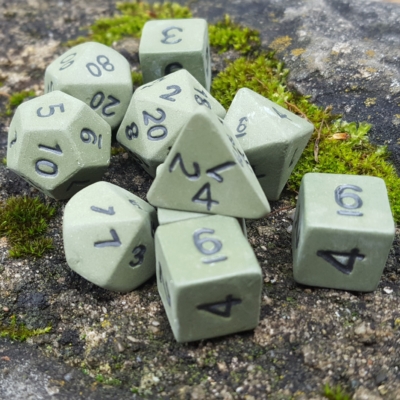
When rolling for an evil ranger’s darker moments, many players find the earthy tones of a Moss Druid Ceramic Dice Set reinforce the character’s primal, nature-bound brutality.
This isn’t about playing a murder hobo or sabotaging your party. It’s about exploring a character who operates from a fundamentally different moral framework while still functioning as a viable party member. Done right, this character archetype creates memorable tension and depth at the table.
Why Half-Orc Works for an Evil Ranger
Half-orcs bring mechanical advantages that align perfectly with a ranger operating outside conventional morality. Relentless Endurance gives you a once-per-long-rest safety net when you drop to 0 hit points, letting you bounce back to 1 HP instead. For a character who takes risks and operates in morally gray areas, this resilience matters.
Savage Attacks adds an extra weapon damage die on critical hits, which synergizes beautifully with the ranger’s multiple attack options. Combined with Hunter’s Mark or similar damage-boosting features, your critical hits become genuinely threatening.
The ability score increases—+2 Strength and +1 Constitution—push you toward a melee ranger build. While ranged combat remains viable, half-orcs excel at close-quarters brutality. Darkvision and Intimidation proficiency round out the package, giving you tools for the kind of work that happens in shadows.
Thematic Resonance
Beyond mechanics, half-orcs carry built-in narrative weight. They exist between worlds, often rejected by both human and orc societies. An evil half-orc ranger might embrace the orcish heritage that civilization tried to beat out of them. They might view the wilderness as the only honest place, where strength and cunning matter more than the hypocritical moral codes of cities.
This background writes itself: maybe they were cast out and learned that mercy is weakness. Maybe they served in a mercenary company that taught them people are just another resource. The key is making their evil comprehensible, not cartoonish.
Ranger Subclasses for Darker Concepts
Subclass choice dramatically affects how your evil ranger functions. Not all archetypes support morally flexible characters equally.
Gloom Stalker
The Gloom Stalker from Xanathar’s Guide excels at ambush tactics and operating in darkness. Dread Ambusher gives you extra initiative and a bonus attack on your first turn, perfect for eliminating targets before they can respond. Umbral Sight makes you invisible to creatures relying on darkvision—mechanically powerful and thematically appropriate for someone who operates outside the law.
This subclass supports an assassin-style ranger, someone hired for wet work or who simply believes in striking first and hard. The emphasis on fear effects at higher levels reinforces the predator fantasy.
Hunter
The Hunter offers versatility through its feature choices. Colossus Slayer adds consistent extra damage against wounded enemies—you finish what you start. Horde Breaker lets you carve through multiple weaker opponents, useful for a character who views combat pragmatically rather than honorably.
This subclass works for a mercenary or bounty hunter background. You’re not evil because you enjoy cruelty; you’re evil because you’ll take any contract and you don’t lose sleep over collateral damage.
Fey Wanderer
The Fey Wanderer from Tasha’s Cauldron initially seems too whimsical for an evil concept, but it supports a manipulator archetype beautifully. You add your Wisdom modifier to Charisma checks, making you unexpectedly effective at deception and persuasion. Otherworldly Glamour and later abilities let you control social situations and mess with enemy minds.
An evil Fey Wanderer made a bargain with something dark in the Feywild, or they use their fey-touched nature to manipulate and exploit others. The disconnect between their charming exterior and ruthless interior creates compelling roleplay.
Evil Alignment Options and Party Dynamics
Not all evil alignments work equally well in a typical adventuring party. Lawful Evil generally causes the fewest problems—you follow a code, honor contracts, and understand that reliable allies serve your long-term interests. You might be a mercenary who always completes the job, or someone who believes society’s laws are too weak and justice requires a heavier hand.
Neutral Evil prioritizes self-interest but maintains enough flexibility to cooperate when beneficial. You’re with the party because it serves your goals, whether that’s accumulating wealth, gaining power, or simply survival. This alignment requires the most active management to prevent party friction.
Chaotic Evil typically doesn’t work in standard campaigns unless the entire party embraces that tone. If you insist on playing Chaotic Evil, you need ironclad reasons why your character tolerates group dynamics and doesn’t betray the party. A blood oath, a geas, or dependence on a party member’s unique abilities could work.
Setting Boundaries
Before playing an evil character, have a session zero conversation. Establish what kinds of evil actions the table finds interesting versus uncomfortable. Some groups enjoy political intrigue and moral ambiguity; others have hard lines about violence against innocents or betrayal between PCs.
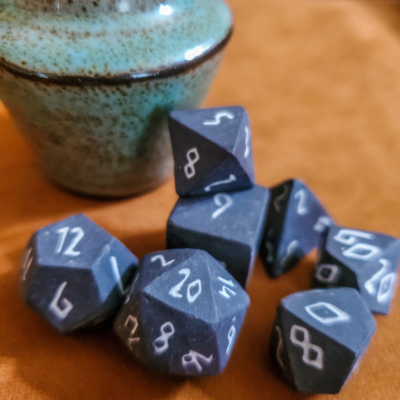
The Forgotten Forest Ceramic Dice Set‘s shadowy aesthetic captures that same moral ambiguity your character inhabits—beautiful but tinged with menace.
Your evil ranger should create tension, not toxicity. They can disagree with the paladin’s methods while still fighting beside them. They can negotiate for a larger share of treasure without stealing from party members. The goal is adding complexity, not ruining other players’ fun.
Building Your Evil Half-Orc Ranger
Ability Scores
Prioritize Dexterity or Strength depending on your combat style, followed by Wisdom for ranger spellcasting and Perception checks. Constitution remains important for any frontline character. The half-orc’s +2 Strength pushes you toward melee, but you can still build effectively for archery if you prefer.
A typical array might look like: Strength 16 (14 +2), Dexterity 14, Constitution 14 (+1 = 15), Wisdom 14, with Intelligence and Charisma as dump stats. Alternatively, if you’re leveraging Fey Wanderer’s Charisma synergy or plan to intimidate regularly, invest in Charisma over Intelligence.
Essential Feats
Polearm Master pairs exceptionally well with melee rangers using spears or quarterstaffs, giving you bonus action attacks and opportunity attacks when enemies enter your reach. This feat turns you into a threat zone that enemies can’t safely approach.
Great Weapon Master suits the half-orc’s Savage Attacks feature and high Strength. The -5 to hit for +10 damage gamble pays off when you’re fighting creatures with lower AC or when you have advantage. Your DM might let you take this for two-handed weapon rangers.
Sentinel locks down enemies and protects squishier allies, though an evil character’s motivation for protecting others might be purely pragmatic—dead allies can’t help you achieve your goals.
Spell Selection
Rangers get limited spells, so choose carefully. Hunter’s Mark remains the bread-and-butter damage boost. Ensnaring Strike can lock down priority targets. Pass Without Trace makes your entire party incredibly stealthy, useful for morally questionable approaches to problems.
At higher levels, Conjure Animals gives you disposable meat shields you can send into danger without guilt. Lightning Arrow provides AOE damage when you need to clear multiple targets. Guardian of Nature in its Great Tree form makes you an absolute combat monster.
Backgrounds That Support Evil Rangers
Criminal or its variant Spy provides tool proficiencies and contacts in the underworld. Your ranger might have started as muscle for a thieves’ guild before developing wilderness skills.
Soldier fits a mercenary background perfectly. You learned to follow orders without questioning morality, and now you apply those skills independently.
Outlander works if your character was cast out or chose to leave civilization behind. Maybe you learned that survival requires leaving compassion at the wilderness’s edge.
Urban Bounty Hunter (from Sword Coast Adventurer’s Guide) explicitly supports trackers who hunt people for money. This background practically writes your evil ranger’s resume.
Roleplaying an Evil Half-Orc Ranger
Give your character specific principles, even if those principles are ruthless. Maybe you never break a contract once accepted. Maybe you have a soft spot for children or animals while remaining callous toward adults. These complexities make your character believable rather than a caricature.
Use the ranger’s survival expertise to justify pragmatic evil. When the party debates whether to help villagers, you point out that helping creates obligation and delay. When someone suggests showing mercy, you note that enemies left alive become future problems. You’re not cruel for cruelty’s sake; you’ve simply learned that hesitation kills.
Leverage your half-orc background. Maybe you face discrimination in settlements, reinforcing your cynical worldview. Maybe you deliberately play into orcish stereotypes, using people’s fear to your advantage. Or perhaps you resent your orcish heritage but can’t escape its influence on how you’re perceived and treated.
The intimidation proficiency half-orcs receive shouldn’t just be about threatening violence. An evil ranger might intimidate through quiet competence, making it clear they’ve killed before and could do so again. Or they might use their outsider status, letting others’ prejudices fill in the scary details.
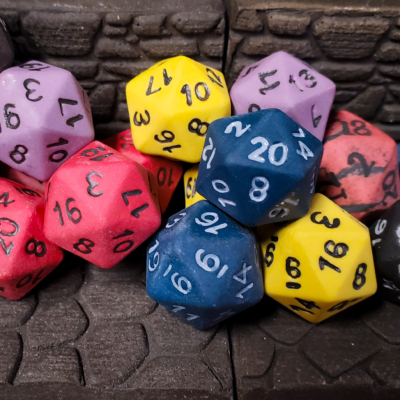
Most tables running extended campaigns benefit from having a Bulk 10d10 Assorted Ceramic Dice Set on hand for damage rolls, skill checks, and the inevitable critical moments.
Conclusion
The half-orc ranger’s combination of racial toughness and class flexibility means you can pull off evil alignment without gimping your combat contribution or leaving your party hanging. The key to making this work is building a character with actual motivations and lines they won’t cross—evil doesn’t mean random or suicidal. A Gloom Stalker ambush predator, a Hunter who works as a mercenary, or a Fey Wanderer with manipulative intentions all function as effective party members while exploring genuinely darker character concepts.